White Rice VS Green Salad
A detailed nutritional comparison
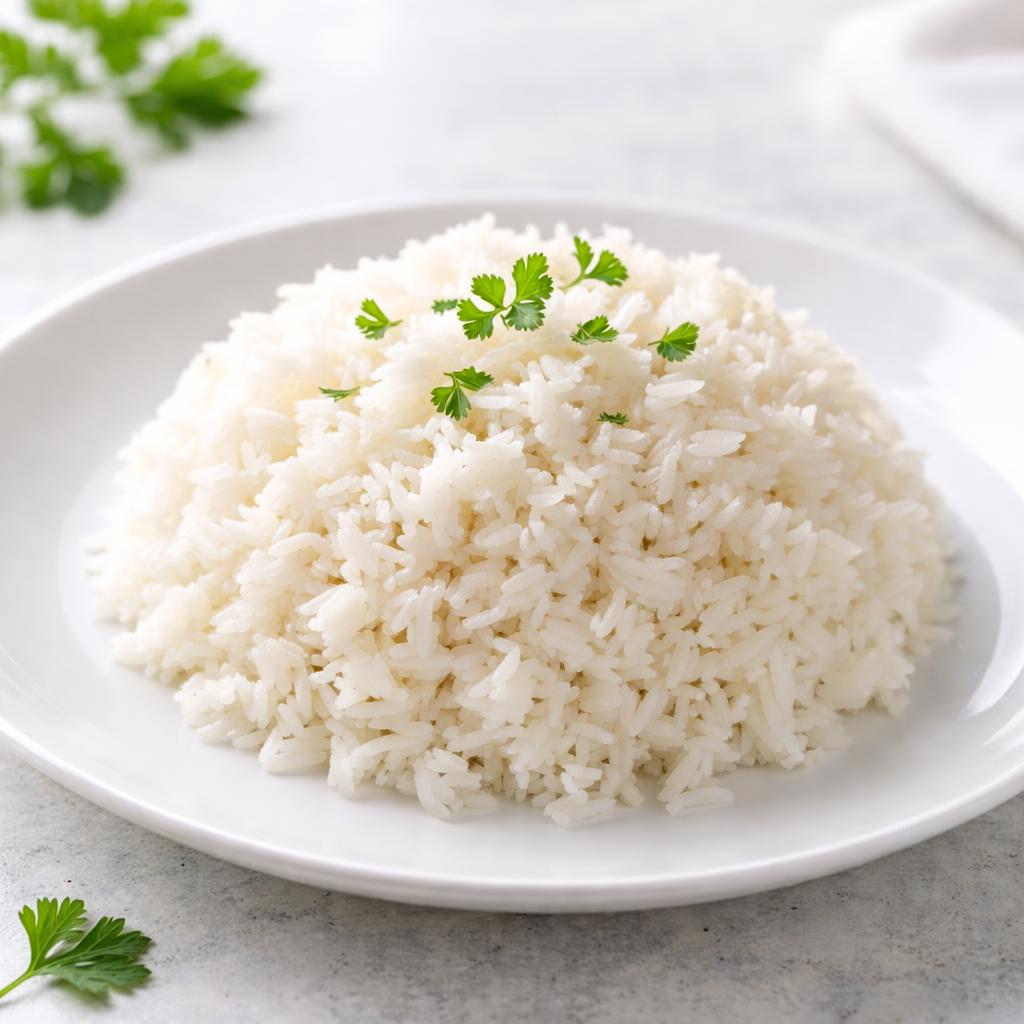
White Rice
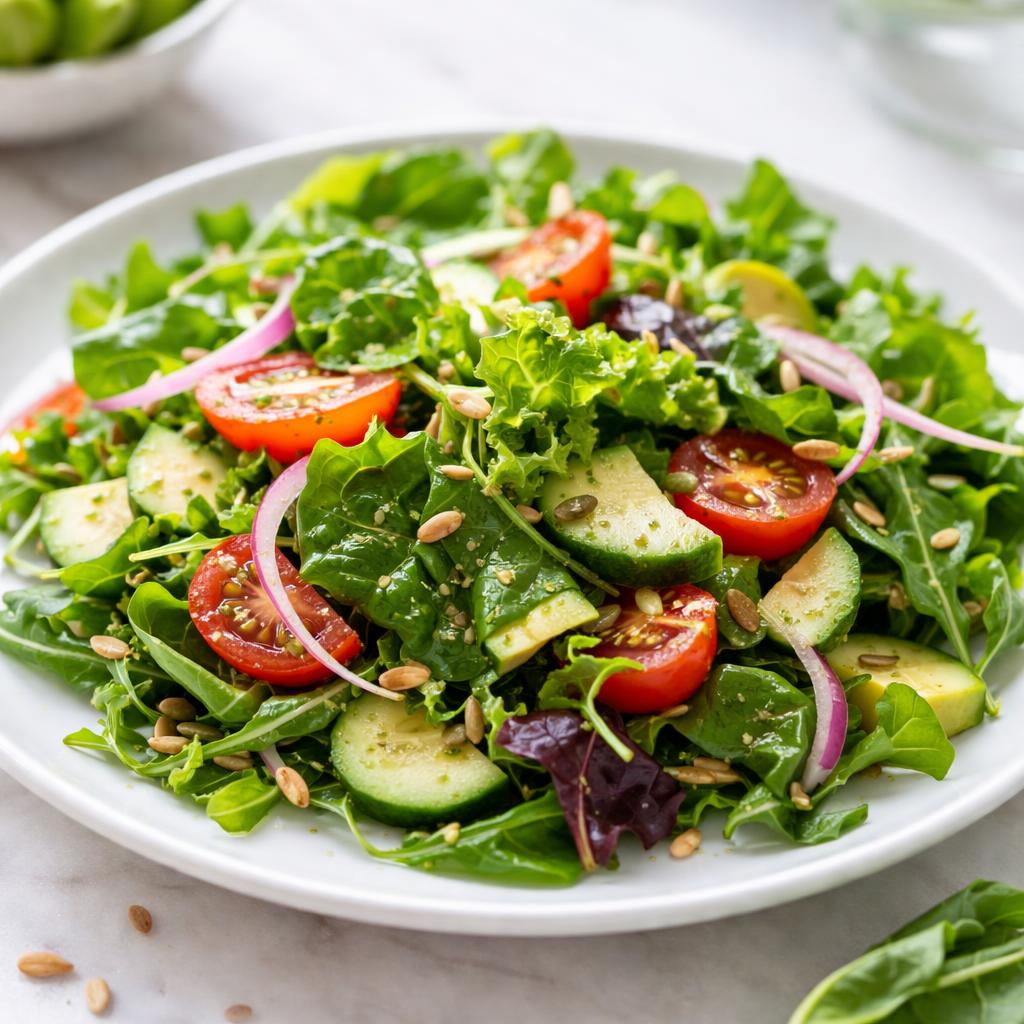
Green Salad
🎯 Quick Verdict
Green salad is a low-calorie, fiber-rich option with a variety of vitamins, ideal for healthy eating and weight management. White rice is carb-dense and provides quick energy, but lacks fiber and vitamins, making it less nutritionally diverse than green salad. Choose based on your energy and health goals.

Smart Nutrition Tracking with SnapCalorie

📊 Nutritional Comparison
Macronutrients
| Nutrient | Food 1 | Food 2 | Winner |
|---|---|---|---|
| Calories | 200 (per cup cooked) | 50 (per cup) | ✓ |
| Protein | 4g (per cup cooked) | 2g (per cup) | − |
| Carbs | 45g (per cup cooked) | 10g (per cup) | ✓ |
| Fat | 0g | 0.5g (from salad dressing) | − |
| Fiber | 0.5g | 4g | ✓ |
Vitamins & Minerals
| Nutrient | Food 1 | Food 2 | Winner |
|---|---|---|---|
| Vitamin A | 0mcg | 140mcg | ✓ |
| Vitamin C | 0mg | 10mg | ✓ |
| Calcium | 10mg | 40mg | ✓ |
| Iron | 0.2mg | 0.6mg | ✓ |
🏆 Category Winners
Protein
Both foods contain low amounts of protein, making this category a tie.
Fiber
Green salad offers 8 times more fiber than white rice.
Calories
Green salad is highly calorie-efficient, with only 50 calories per cup.
Vitamins
Green salad is rich in vitamin A, vitamin C, calcium, and iron compared to white rice.
🥗 Diet Compatibility
Keto
Food 1: Not Compatible
Food 2: Compatible
Green salad is low-carb, whereas white rice is very high in carbs.
Vegan
Food 1: Compatible
Food 2: Compatible
Both foods are plant-based.
Gluten Free
Food 1: Compatible
Food 2: Compatible
Neither food contains gluten.
Paleo
Food 1: Not Compatible
Food 2: Compatible
White rice is excluded in paleo diets while green salad fits well.
Low Carb
Food 1: Not Compatible
Food 2: Compatible
Green salad is suitable for low-carb diets with only 10g carbs per cup, whereas white rice contains 45g carbs per cup.
💪 Health Benefits Comparison
Food 1 Benefits
- Good source of quick energy due to high carbohydrate content
- Low in fat, making it suitable for low-fat diets
- Pairs well with protein-rich foods to create balanced meals
Food 2 Benefits
- High in fiber, aiding digestion and promoting satiety
- Rich in diverse vitamins (A, C) for immune support and eye health
- Low-calorie, nutrient-dense option ideal for weight management
✅ The Bottom Line
Choose green salad for a nutrient-dense, low-calorie, high-fiber food suitable for weight loss and overall health. White rice is better when fast energy and a high-carb option are needed, such as before intense workouts or as a staple in carb-heavy meals.
Choose Food 1 for: High-energy needs, meal pairing with proteins, post-workout recovery
Choose Food 2 for: Weight management, digestion support, daily nutrition boost


