White Rice VS Enchiladas
A detailed nutritional comparison
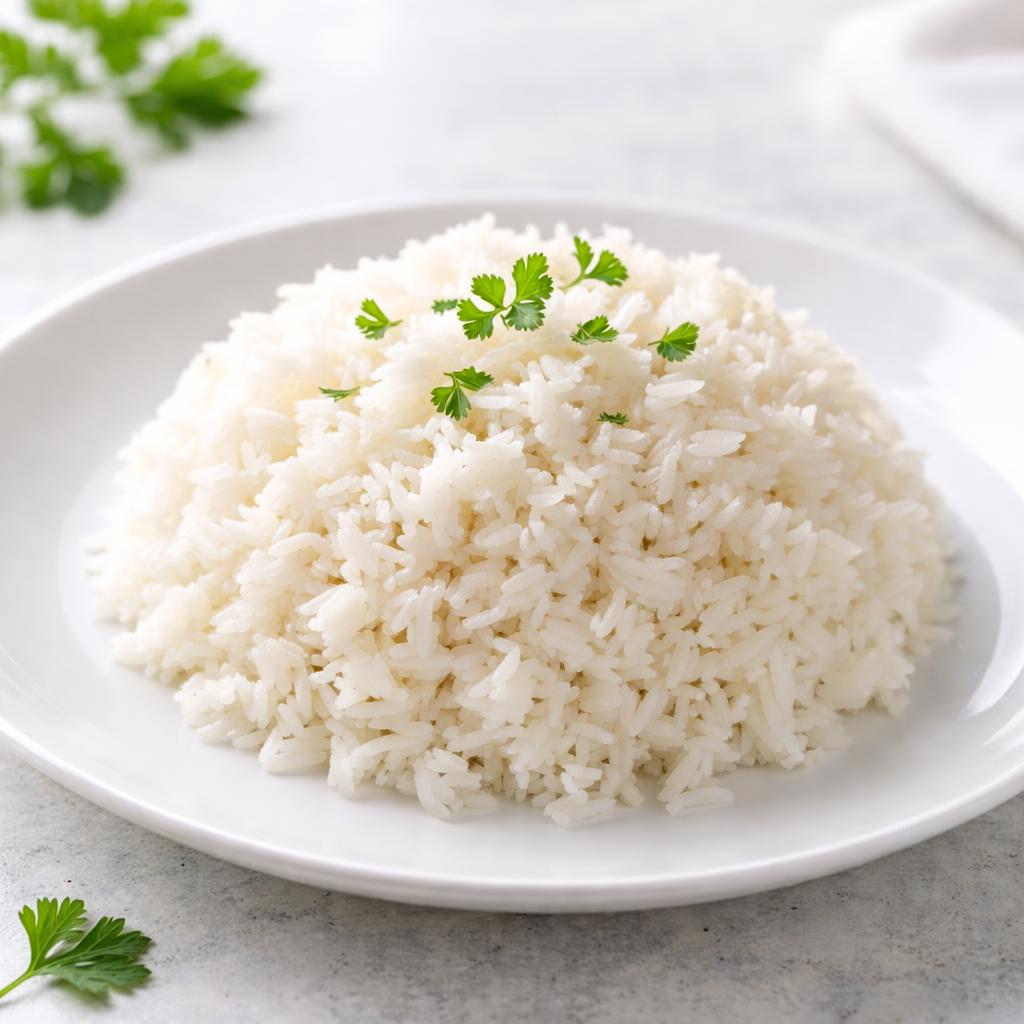
White Rice
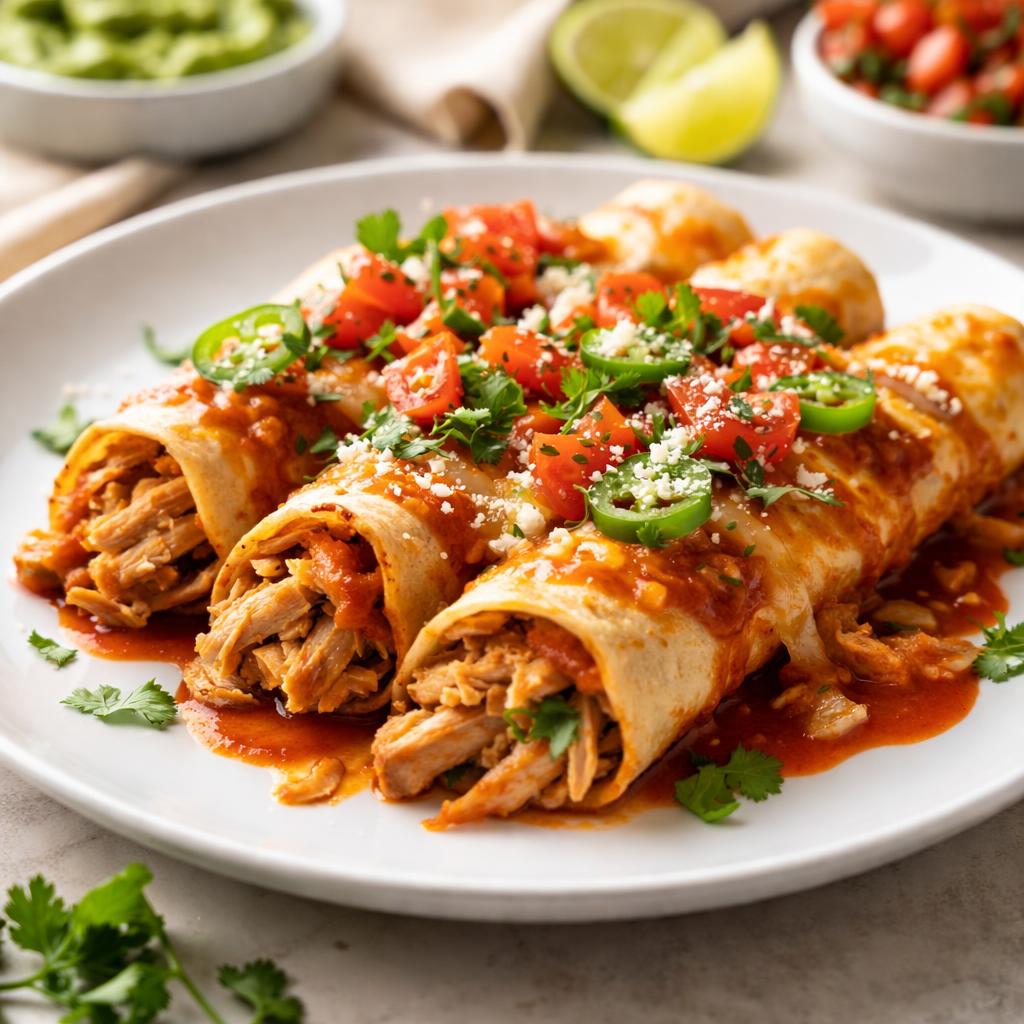
Enchiladas
🎯 Quick Verdict
White rice is lower in calories but largely carbohydrate-based with minimal protein and fiber. Enchiladas, while higher in calories, provide significantly more protein, fiber, and micronutrients due to the variety of ingredients such as meat, cheese, and vegetables. White rice is best suited as a simple carb source, while enchiladas are a more nutrient-dense meal option for overall balance.

Smart Nutrition Tracking with SnapCalorie

📊 Nutritional Comparison
Macronutrients
| Nutrient | Food 1 | Food 2 | Winner |
|---|---|---|---|
| Calories | 206 | 290 | ✓ |
| Protein | 4.3g | 15g | ✓ |
| Carbs | 45g | 23g | ✓ |
| Fat | 0.4g | 12g | ✓ |
| Fiber | 0.6g | 3.5g | ✓ |
Vitamins & Minerals
| Nutrient | Food 1 | Food 2 | Winner |
|---|---|---|---|
| Vitamin A | 0% DV | 15% DV | ✓ |
| Vitamin C | 0% DV | 10% DV | ✓ |
| Calcium | 6mg | 125mg | ✓ |
| Iron | 0.4mg | 2mg | ✓ |
🏆 Category Winners
Protein
Enchiladas contain 3.5x the protein compared to white rice due to ingredients like meat and cheese.
Fiber
Enchiladas offer 6x more fiber, making them better for digestion and satiety.
Calories
White rice is lower in calories by about 30%.
Vitamins
Enchiladas are rich in Vitamin A, Vitamin C, and calcium, which are largely absent in white rice.
🥗 Diet Compatibility
Keto
Food 1: Not Compatible
Food 2: Not Compatible
Both foods are high-carb.
Vegan
Food 1: Compatible
Food 2: Not Compatible
White rice is plant-based, but enchiladas often contain cheese and meat.
Gluten Free
Food 1: Compatible
Food 2: Not Compatible
White rice is naturally gluten-free, but traditional enchiladas often contain wheat-based tortillas.
Paleo
Food 1: Not Compatible
Food 2: Not Compatible
White rice is a grain, and enchiladas contain processed ingredients unsuitable for paleo diets.
Low-Carb
Food 1: Not Compatible
Food 2: Not Compatible
Both foods are high in carbohydrates.
💪 Health Benefits Comparison
Food 1 Benefits
- Provides quick energy due to high carbohydrate content
- Naturally gluten-free and easy to digest
- Low in fat and protein for simplicity in meals
Food 2 Benefits
- High in protein for muscle repair and maintenance
- Contains fiber for improved digestion and satiety
- Rich in micronutrients like Vitamin A, Vitamin C, and calcium for bone and immune health
✅ The Bottom Line
White rice is a versatile, low-calorie carb source best suited for pairing with high-protein and high-fiber sides. Enchiladas are a more nutrient-dense complete meal that offers balanced macros and micronutrients but comes with higher calories. Choose white rice for simple meals or calorie-conscious diets, and enchiladas for an all-around nutritious meal with more flavor variety and satiety.
Choose Food 1 for: Low-calorie meals, simple carb inclusion, gluten-free diet
Choose Food 2 for: Well-rounded meal, protein-rich diets, higher nutrient intake


