White Rice VS Eggs
A detailed nutritional comparison
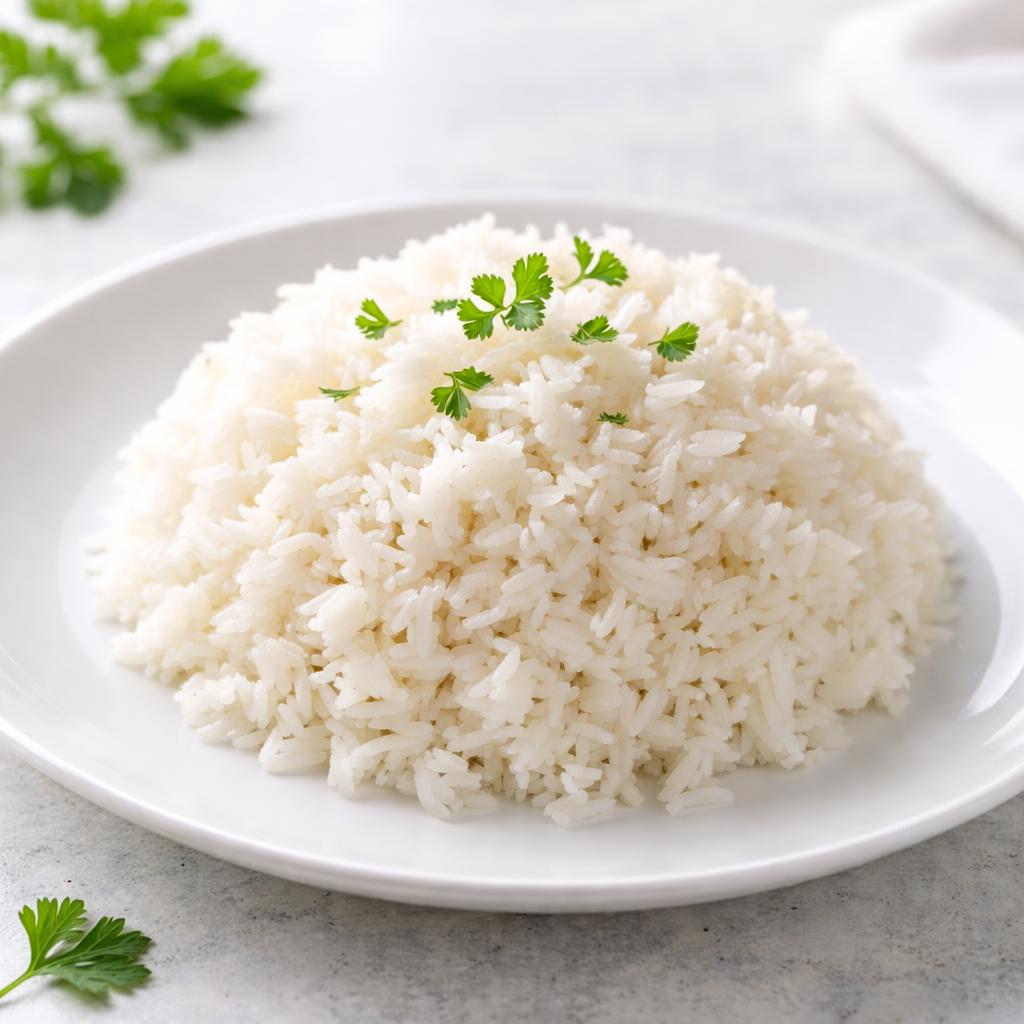
White Rice
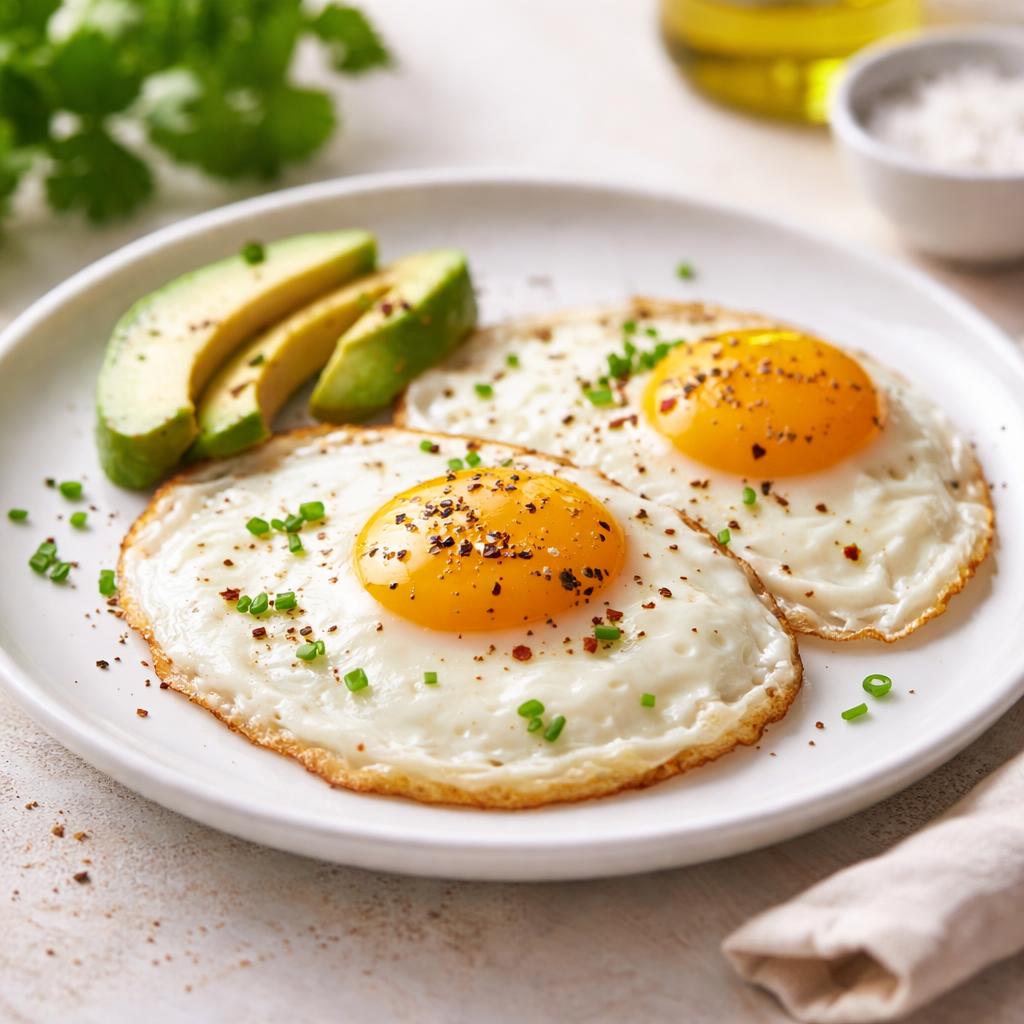
Eggs
🎯 Quick Verdict
Eggs are significantly higher in protein and provide a variety of essential vitamins, whereas white rice is primarily a carbohydrate source with minimal protein. Choose eggs for high protein needs and better nutrient density, while white rice is suitable for quick energy and carbohydrate replenishment during intense activities.

Smart Nutrition Tracking with SnapCalorie

📊 Nutritional Comparison
Macronutrients
| Nutrient | Food 1 | Food 2 | Winner |
|---|---|---|---|
| Calories | 206 (1 cup cooked) | 68 (1 large egg) | ✓ |
| Protein | 4.3g | 6g | ✓ |
| Carbs | 45g | 0.6g | ✓ |
| Fat | 0.4g | 5g | ✓ |
| Fiber | 0.6g | 0g | − |
Vitamins & Minerals
| Nutrient | Food 1 | Food 2 | Winner |
|---|---|---|---|
| Vitamin D | 0mcg | 1.3mcg | ✓ |
| Calcium | 16mg | 24mg | ✓ |
| Iron | 0.2mg | 0.9mg | ✓ |
🏆 Category Winners
Protein
Eggs have almost 50% more protein per serving than white rice.
Fiber
Both foods provide minimal dietary fiber.
Calories
Eggs have 67% fewer calories per serving compared to white rice.
Vitamins
Eggs are a richer source of vitamins like D, calcium, and iron.
🥗 Diet Compatibility
Keto
Food 1: Not Compatible
Food 2: Compatible
Eggs are low in carbs, while white rice is carb-heavy.
Vegan
Food 1: Compatible
Food 2: Not Compatible
White rice is plant-based, while eggs are animal-derived.
Gluten Free
Food 1: Compatible
Food 2: Compatible
Neither food contains gluten.
Paleo
Food 1: Not Compatible
Food 2: Compatible
Eggs align with paleo principles, while white rice is excluded from paleo diets.
Low Carb
Food 1: Not Compatible
Food 2: Compatible
Eggs contain very little carbs (0.6g per egg), whereas white rice is high in carbs (45g per cup).
💪 Health Benefits Comparison
Food 1 Benefits
- Provides quick energy due to high carbohydrate content
- Low in fat, suitable for low-fat diets
- Easy to digest for those with sensitive stomachs
Food 2 Benefits
- Rich in protein for muscle growth and repair
- Good source of Vitamin D for bone health and immune support
- Contains healthy fats which support heart and brain health
✅ The Bottom Line
Eggs are a better choice for high-protein, nutrient-dense meals and fit well into low-carb or keto diets. White rice is ideal for providing quick energy, especially for athletes or individuals needing carbohydrate replenishment.
Choose Food 1 for: Intense physical activity, quick energy, carb-loading diets
Choose Food 2 for: High-protein diets, keto/low-carb lifestyles, nutrient-dense meals


