White Rice VS Egg Yolk
A detailed nutritional comparison
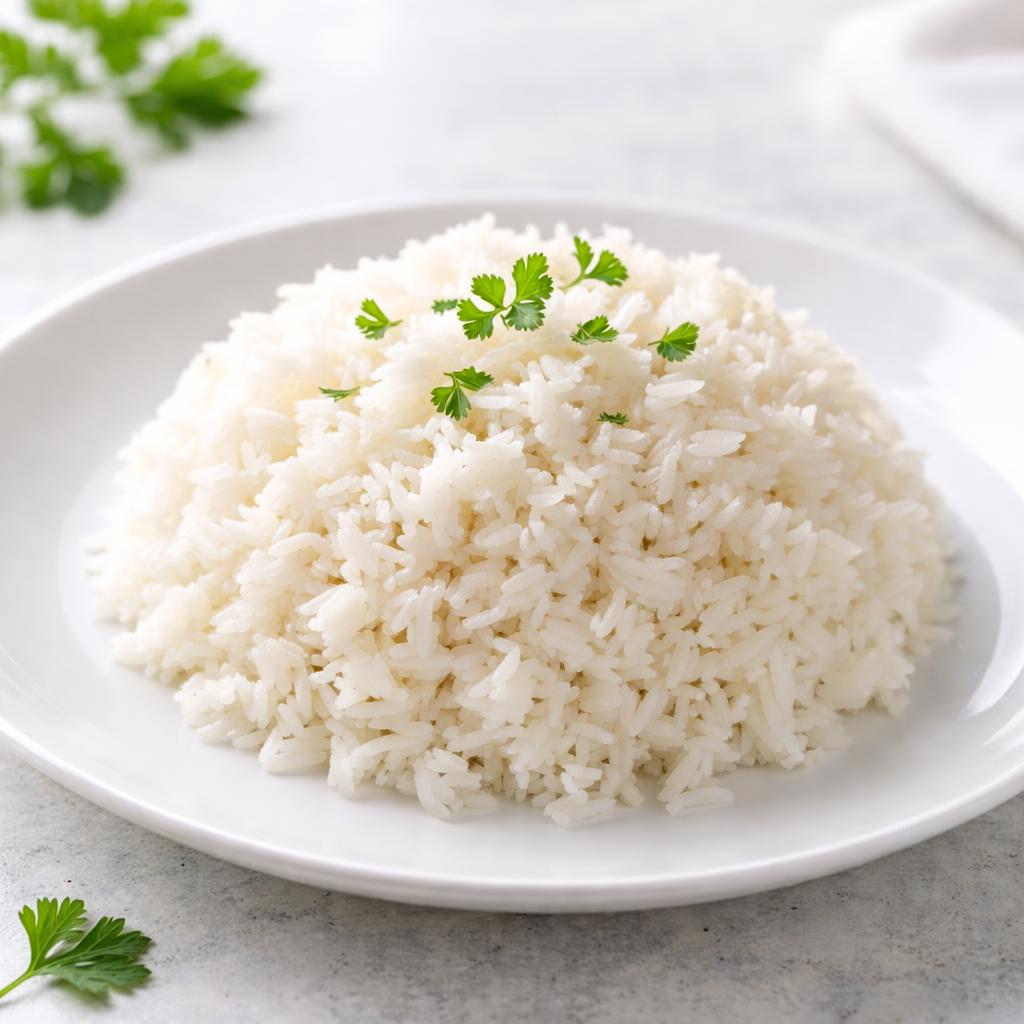
White Rice
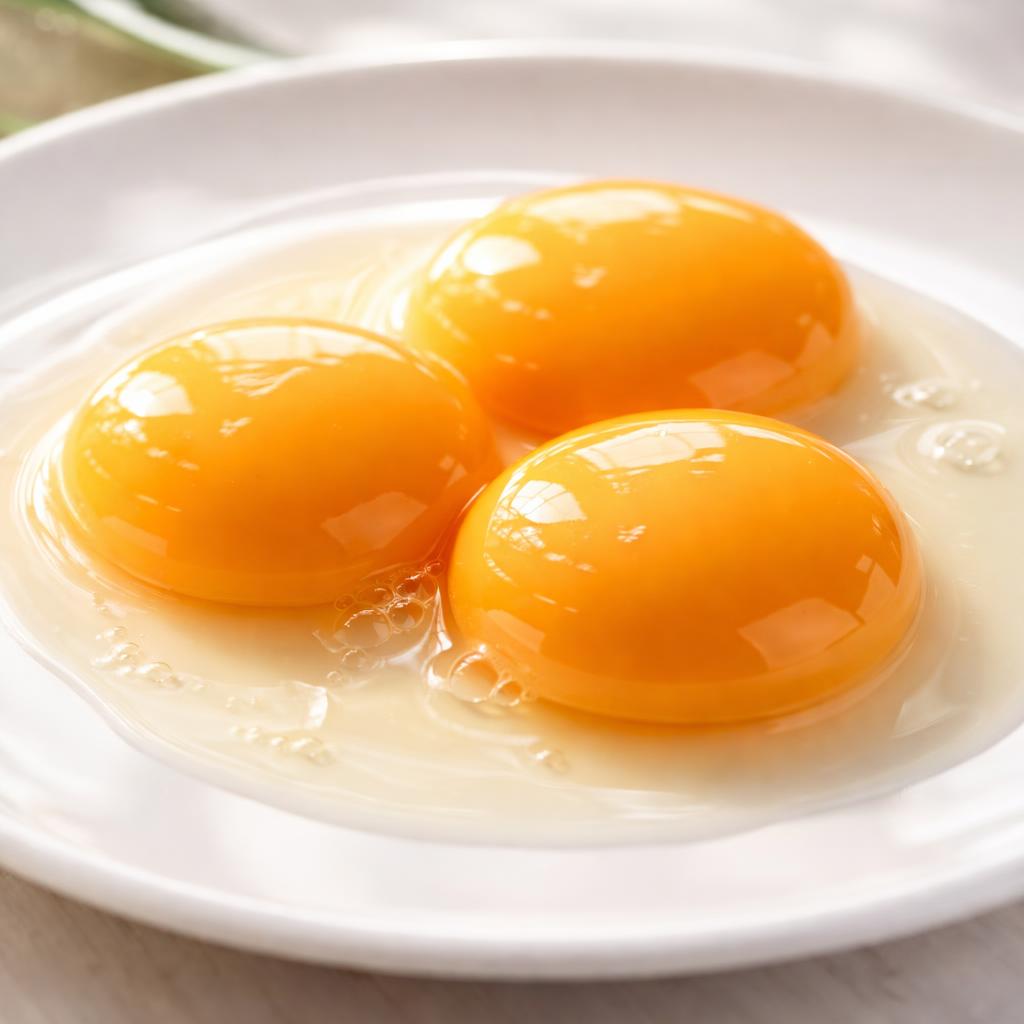
Egg Yolk
🎯 Quick Verdict
Egg yolk is more nutritionally dense than white rice, offering higher protein, vitamins, and healthy fats. White rice is primarily a carbohydrate source with minimal protein and micronutrients. Egg yolk suits those seeking nutrient richness, while white rice is ideal for energy and carbohydrate needs in larger meals.

Smart Nutrition Tracking with SnapCalorie

📊 Nutritional Comparison
Macronutrients
| Nutrient | Food 1 | Food 2 | Winner |
|---|---|---|---|
| Calories | 150 (per 1 cup cooked) | 55 (per 1 yolk, ~17g) | ✓ |
| Protein | 3g | 2.7g | ✓ |
| Carbs | 34g | 0.6g | ✓ |
| Fat | 0.3g | 4.5g | ✓ |
| Fiber | 0g | 0g | − |
Vitamins & Minerals
| Nutrient | Food 1 | Food 2 | Winner |
|---|---|---|---|
| Vitamin D | 0mcg | 41mcg | ✓ |
| Calcium | 16mg | 22mg | ✓ |
| Iron | 0.2mg | 0.4mg | ✓ |
| Vitamin B12 | 0mcg | 0.3mcg | ✓ |
🏆 Category Winners
Protein
Egg yolk has slightly more protein per typical serving and higher protein quality.
Fiber
Neither food contains dietary fiber.
Calories
Egg yolk has about 63% fewer calories per serving.
Vitamins
Egg yolk is rich in vitamin D, B12, and other micronutrients, unlike white rice.
🥗 Diet Compatibility
Keto
Food 1: Not Compatible
Food 2: Compatible
Egg yolk is low-carb, while white rice is high-carb.
Vegan
Food 1: Compatible
Food 2: Not Compatible
White rice is plant-based, but egg yolk is animal-derived.
Gluten Free
Food 1: Compatible
Food 2: Compatible
Neither food contains gluten.
Paleo
Food 1: Not Compatible
Food 2: Compatible
Egg yolk aligns with paleo principles; white rice is excluded.
Low Carb
Food 1: Not Compatible
Food 2: Compatible
Egg yolk is low-carb, but white rice is high-carb.
💪 Health Benefits Comparison
Food 1 Benefits
- Provides quick and easily digestible energy
- Low fat content
- Gluten-free and hypoallergenic for most individuals
Food 2 Benefits
- Rich in vitamin D, supporting bone health
- Contains healthy fats that support brain function
- Provides choline for liver health and neurotransmitter production
- Good source of essential minerals like selenium and phosphorus
✅ The Bottom Line
Choose egg yolk for nutrient density, vitamins, and healthy fats, especially if following low-carb or paleo diets. White rice is better for energy needs, meal volume, and plant-based diets. Both can be part of balanced consumption based on dietary goals.
Choose Food 1 for: Energy boost, plant-based meals, easily digestible carbs
Choose Food 2 for: Micronutrient richness, low-carb diets, brain and bone health


