White Rice VS Egg Roll
A detailed nutritional comparison
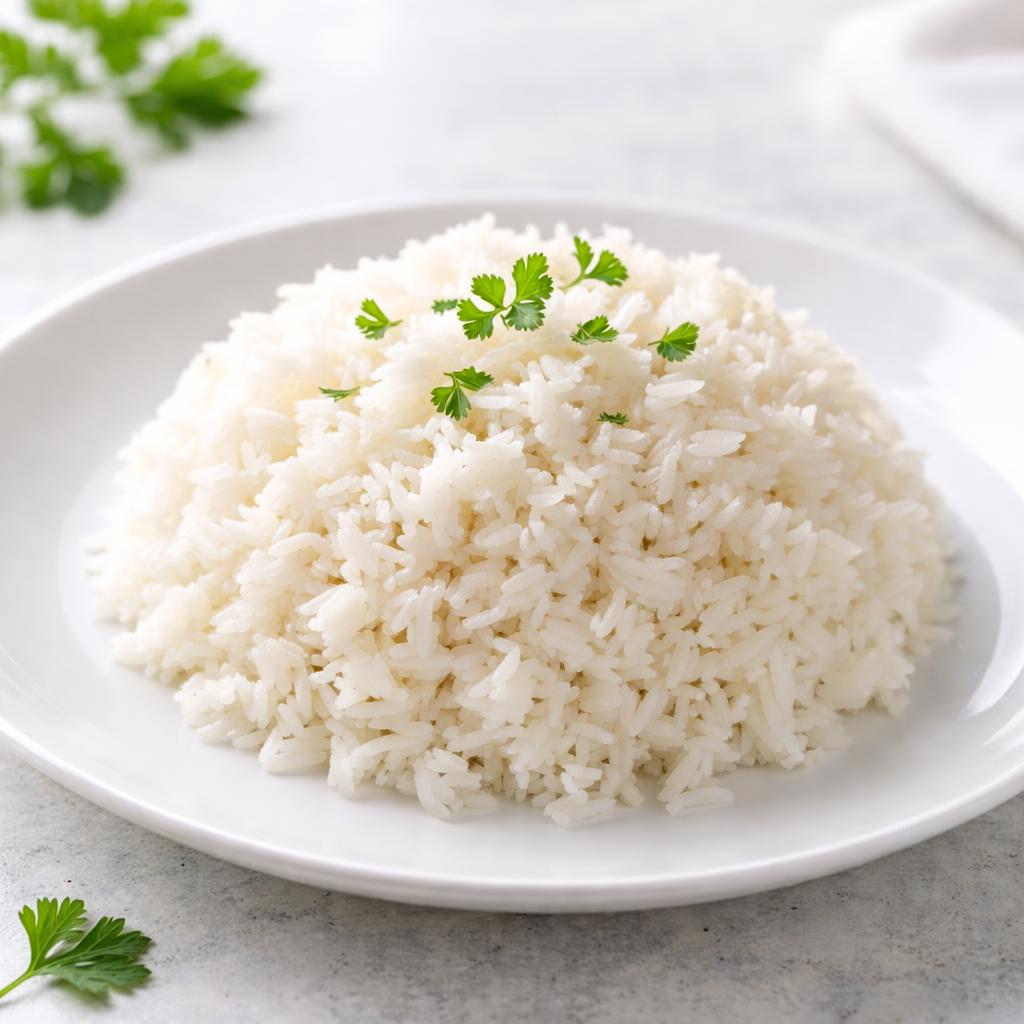
White Rice
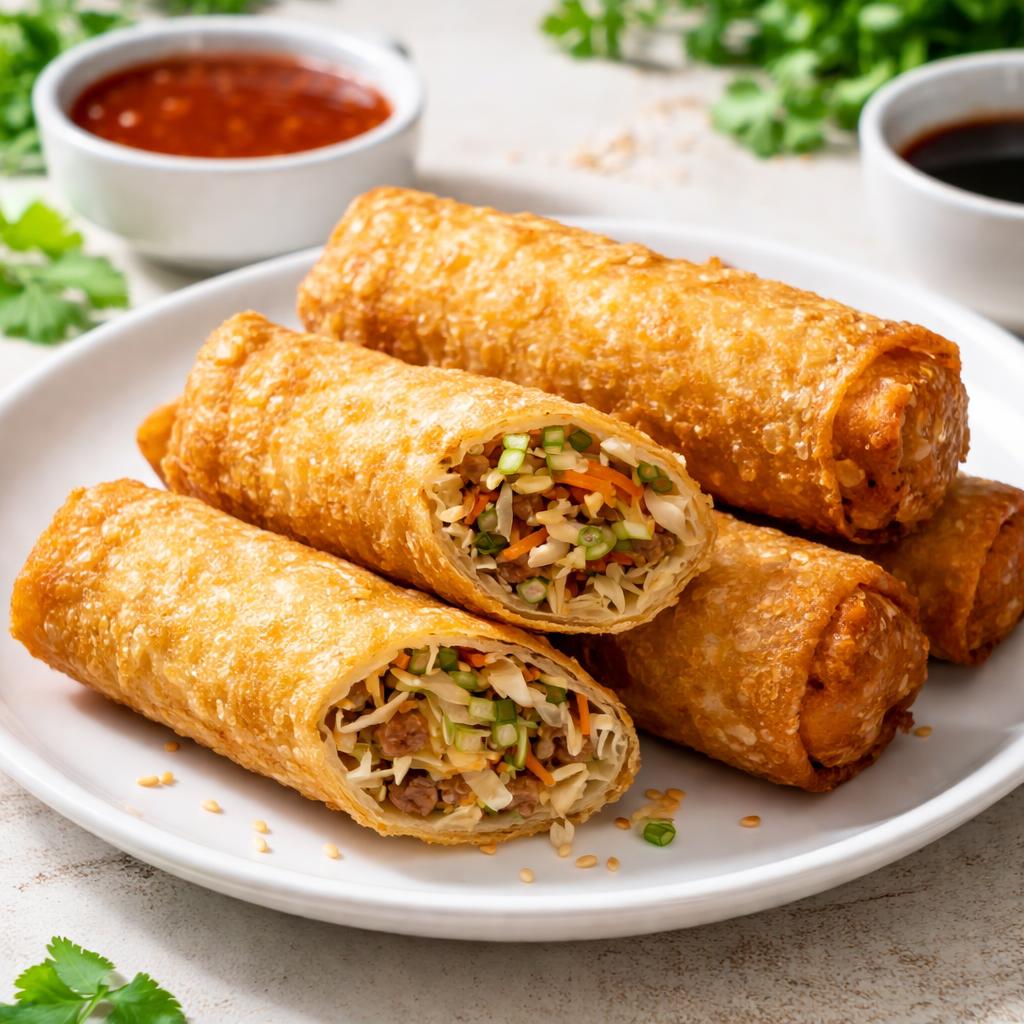
Egg Roll
🎯 Quick Verdict
White rice is low in calories and provides a clean source of carbohydrates, but it lacks significant protein and fiber. Egg rolls offer a more nutrient-dense profile with higher protein, fiber, and fats, but at a higher calorie count. White rice is ideal for quick energy, while egg rolls are a more filling option suitable for balanced meals.

Smart Nutrition Tracking with SnapCalorie

📊 Nutritional Comparison
Macronutrients
| Nutrient | Food 1 | Food 2 | Winner |
|---|---|---|---|
| Calories | 205 | 220 | ✓ |
| Protein | 4.3g | 7g | ✓ |
| Carbs | 45g | 24g | ✓ |
| Fat | 0.4g | 10g | ✓ |
| Fiber | 0.6g | 2g | ✓ |
Vitamins & Minerals
| Nutrient | Food 1 | Food 2 | Winner |
|---|---|---|---|
| Vitamin A | 0% | 8% | ✓ |
| Calcium | 10mg | 50mg | ✓ |
| Iron | 0.2mg | 1.6mg | ✓ |
🏆 Category Winners
Protein
Egg rolls provide 63% more protein per serving.
Fiber
Egg rolls contain more fiber, aiding digestion.
Calories
White rice has slightly fewer calories.
Vitamins
Egg rolls offer more micronutrients like Vitamin A, calcium, and iron.
🥗 Diet Compatibility
Keto
Food 1: Not Compatible
Food 2: Not Compatible
Both have too many carbs for a ketogenic diet.
Vegan
Food 1: Compatible
Food 2: Not Compatible
White rice is plant-based; egg rolls often contain eggs and protein from animal sources.
Gluten Free
Food 1: Compatible
Food 2: Not Compatible
White rice is gluten-free, while egg rolls typically involve a wheat-based wrapper.
Paleo
Food 1: Not Compatible
Food 2: Not Compatible
Neither adheres to paleo restrictions due to processed ingredients.
Low-Carb
Food 1: Not Compatible
Food 2: Not Compatible
Both foods are moderate to high in carbohydrates.
💪 Health Benefits Comparison
Food 1 Benefits
- Easily digestible source of energy
- Low in fat, supporting heart health
- Gluten-free and suitable for those with allergies
Food 2 Benefits
- Rich in protein for muscle maintenance
- Contains healthy fats for sustained energy
- Provides essential micronutrients like iron and calcium
✅ The Bottom Line
Choose white rice for quick, clean energy in low-fat meals or post-exercise carbohydrate replenishment. Opt for egg rolls as part of a filling, balanced meal with added protein and micronutrients. Egg rolls are better for satiety, while white rice fits lighter, carb-focused diets.
Choose Food 1 for: Energy replenishment, low-fat meals, allergen-friendly diets
Choose Food 2 for: Balanced meals, protein intake, nutrient variety


