White Rice VS Dinner Rolls
A detailed nutritional comparison
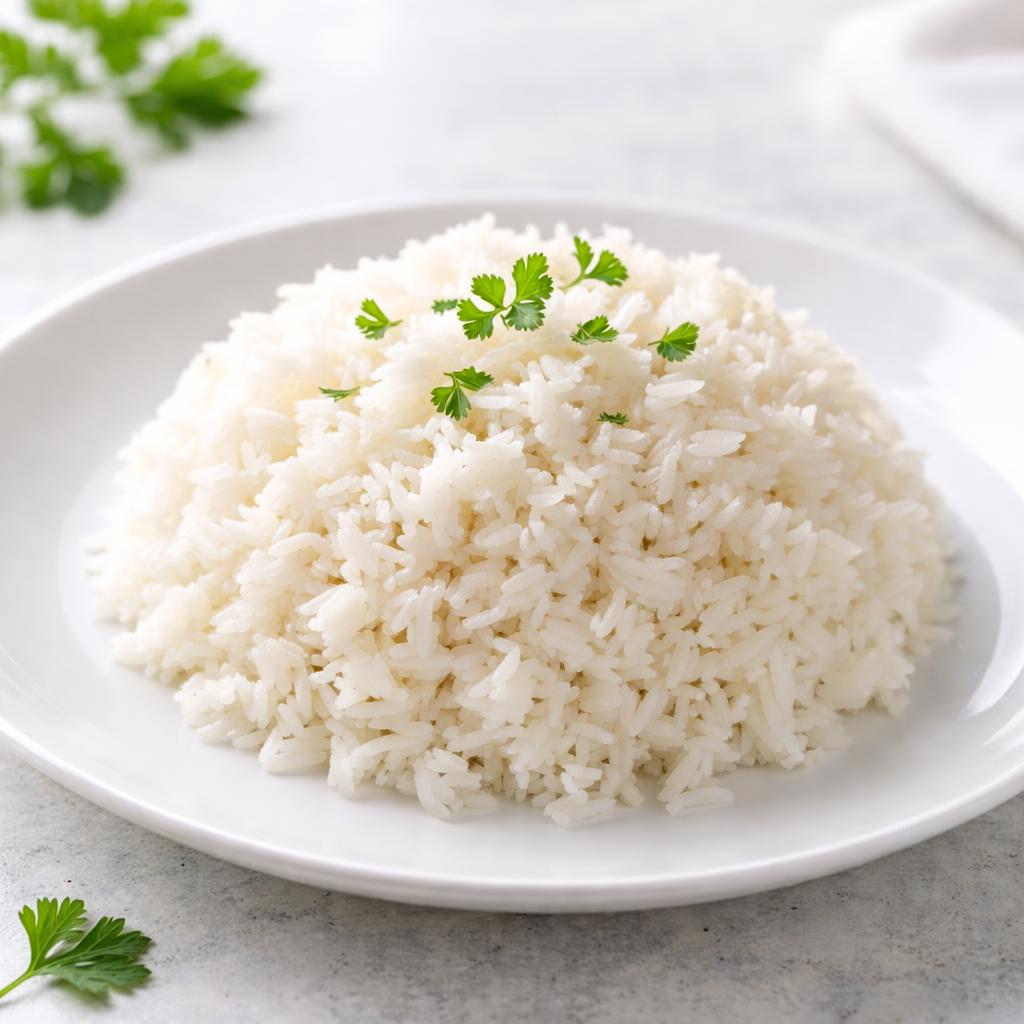
White Rice
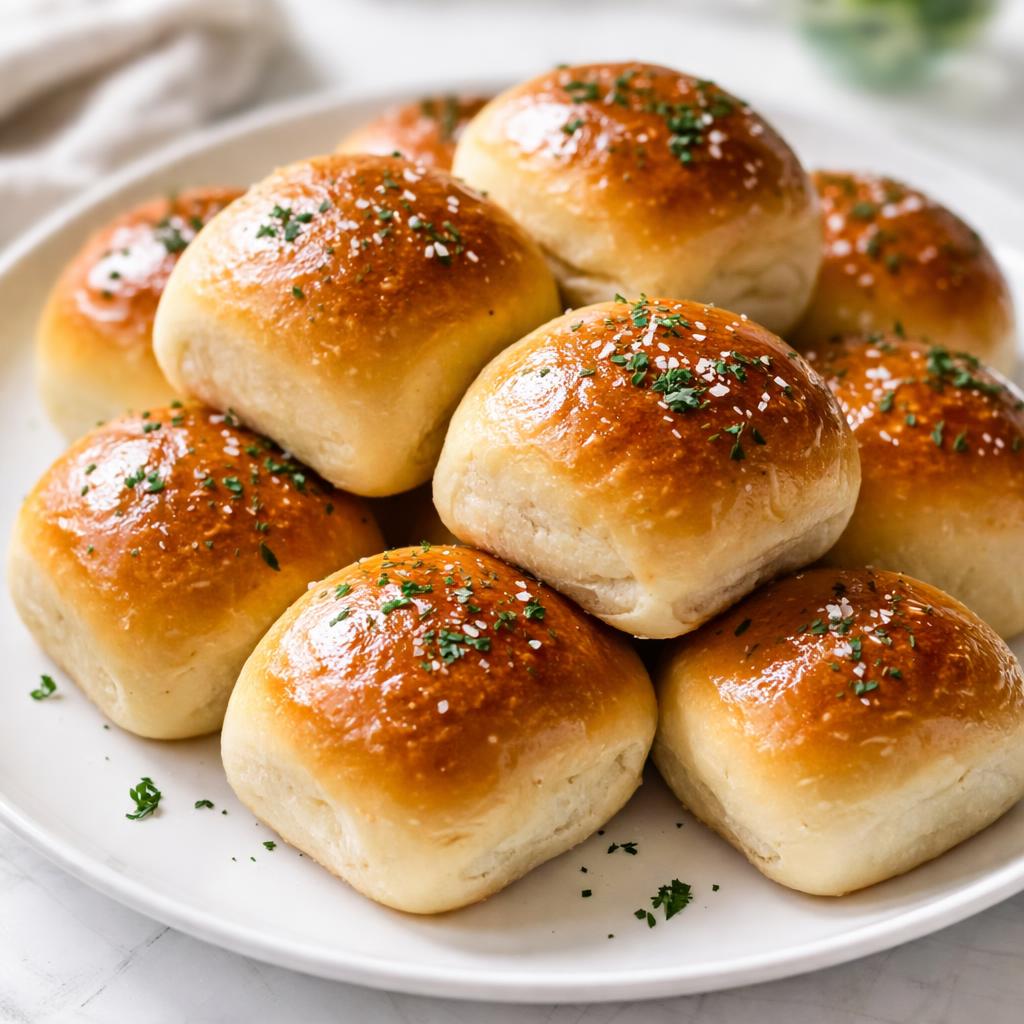
Dinner Rolls
🎯 Quick Verdict
White rice and dinner rolls differ significantly in nutritional value. White rice is lower in calories and fat, making it potentially better for those watching their calorie intake. However, dinner rolls offer more protein and fiber, supporting muscle maintenance and digestive health, and are fortified with essential vitamins like iron and calcium. Choose rice for simplicity in low-fat meals, or rolls for a nutrient-dense option with more versatility.

Smart Nutrition Tracking with SnapCalorie

📊 Nutritional Comparison
Macronutrients
| Nutrient | Food 1 | Food 2 | Winner |
|---|---|---|---|
| Calories | 205 (per 1 cup cooked) | 150 (per dinner roll) | ✓ |
| Protein | 4.3g | 6g | ✓ |
| Carbs | 44.5g | 25g | ✓ |
| Fat | 0.4g | 2g | ✓ |
| Fiber | 0.6g | 2g | ✓ |
Vitamins & Minerals
| Nutrient | Food 1 | Food 2 | Winner |
|---|---|---|---|
| Vitamin D | 0mcg | 1mcg | ✓ |
| Calcium | 10mg | 50mg | ✓ |
| Iron | 0.2mg | 1.2mg | ✓ |
🏆 Category Winners
Protein
Dinner rolls contain 40% more protein than white rice, offering 6g per serving vs 4.3g.
Fiber
Dinner rolls provide 3x more fiber, with 2g compared to white rice's 0.6g.
Calories
White rice has fewer calories per serving than dinner rolls.
Vitamins
Dinner rolls are fortified and offer significantly more calcium, iron, and vitamin D.
🥗 Diet Compatibility
Keto
Food 1: Not Compatible
Food 2: Not Compatible
Both foods are high in carbohydrates and unsuitable for a keto diet.
Vegan
Food 1: Compatible
Food 2: Depends on recipe
White rice is plant-based, while some dinner rolls may contain dairy or eggs.
Gluten Free
Food 1: Compatible
Food 2: Not Compatible
Rice is naturally gluten-free, while dinner rolls typically contain wheat flour.
Paleo
Food 1: Compatible
Food 2: Not Compatible
Rice is acceptable in many paleo guidelines, but dinner rolls are processed and include grains not allowed in paleo diets.
Low-Carb
Food 1: Not Compatible
Food 2: Not Compatible
Both foods are high in carbs, making them unsuitable for low-carb diets.
💪 Health Benefits Comparison
Food 1 Benefits
- Low in fat, which supports heart health
- Provides easily digestible carbohydrates for quick energy
- Naturally gluten-free, suitable for sensitive individuals
Food 2 Benefits
- Contains protein for muscle repair and maintenance
- Offers fiber to improve digestion and promote satiety
- Fortified with calcium and iron to support bone and blood health
✅ The Bottom Line
White rice is better for those prioritizing low-fat and lower-calorie meals or needing gluten-free carbs, while dinner rolls excel in protein, fiber, and micronutrient density, making them a better choice for nutrient-rich snacks or meal enhancements. Choose depending on dietary goals and compatibility needs.
Choose Food 1 for: Low-fat diets, gluten-free meals, quick energy
Choose Food 2 for: Nutrient density, protein support, digestion-friendly snacks


