White Rice VS Creme Brulee
A detailed nutritional comparison
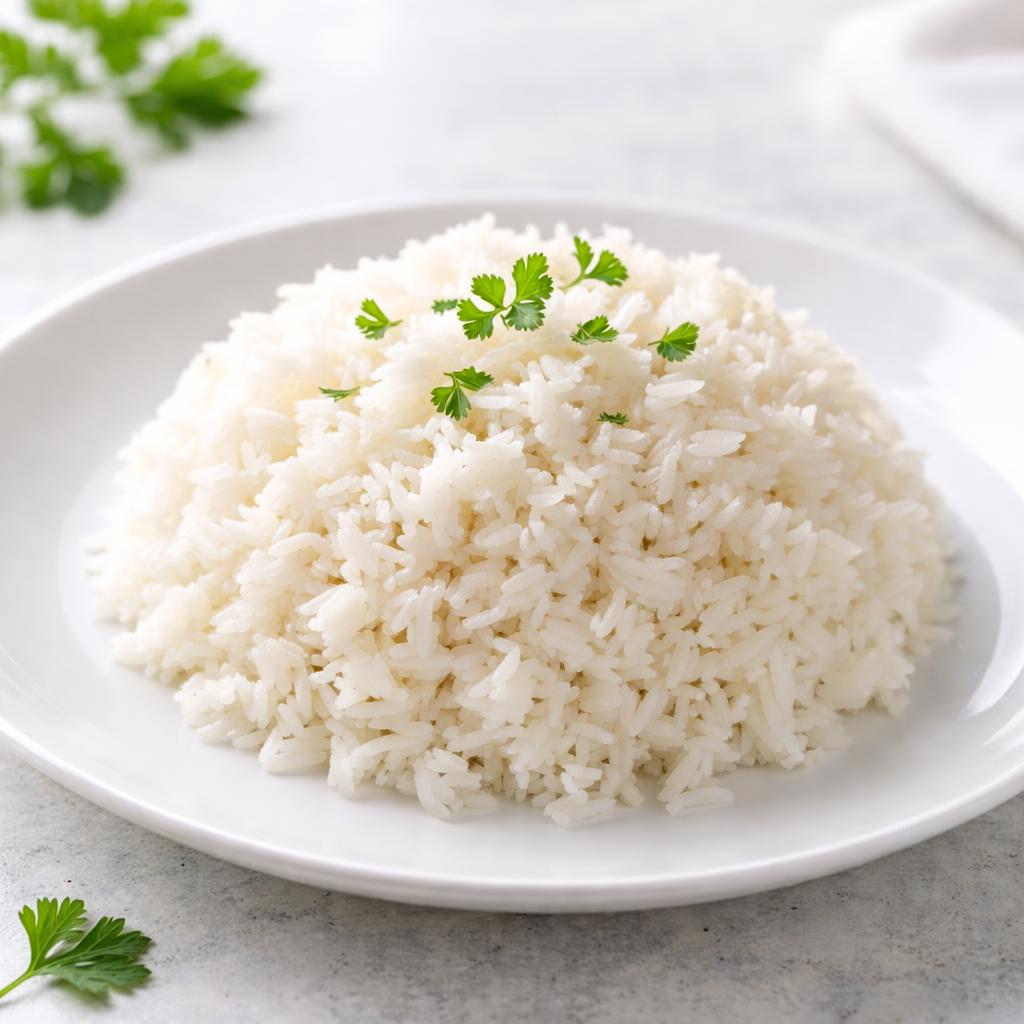
White Rice

Creme Brulee
🎯 Quick Verdict
White rice is a staple carbohydrate, lower in calories and protein than creme brulee, but does not contain added sugars or fats. Creme brulee is calorie-dense and rich in fats and sugars, suitable for a treat rather than a regular dietary choice. Food1 lends itself well to staple meals, while food2 is best enjoyed occasionally as dessert.

Smart Nutrition Tracking with SnapCalorie

📊 Nutritional Comparison
Macronutrients
| Nutrient | Food 1 | Food 2 | Winner |
|---|---|---|---|
| Calories | 130 per 1 cup cooked | 300 per 1/2 cup | ✓ |
| Protein | 2.7g | 2g | ✓ |
| Carbs | 28.2g | 26g | ✓ |
| Fat | 0.3g | 12g | ✓ |
| Fiber | 0.4g | 0.4g | − |
Vitamins & Minerals
| Nutrient | Food 1 | Food 2 | Winner |
|---|---|---|---|
| Vitamin D | 0mcg | 1.6mcg | ✓ |
| Calcium | 10mg | 98mg | ✓ |
| Iron | 0.2mg | 0.6mg | ✓ |
🏆 Category Winners
Protein
White rice contains slightly more protein per serving than creme brulee.
Fiber
Both foods have negligible fiber content (0.4g per serving).
Calories
White rice contains significantly fewer calories than creme brulee.
Vitamins
Creme brulee is richer in calcium, vitamin D, and iron.
🥗 Diet Compatibility
Keto
Food 1: Not Compatible
Food 2: Not Compatible
Both foods are high in carbohydrates and unsuitable for keto diets.
Vegan
Food 1: Compatible
Food 2: Not Compatible
White rice is plant-based, while creme brulee contains eggs and dairy.
Gluten Free
Food 1: Compatible
Food 2: Compatible
Neither food contains gluten naturally.
Paleo
Food 1: Not Compatible
Food 2: Not Compatible
White rice is a refined grain, and creme brulee contains dairy and sugars, which are not paleo-friendly.
Low Carb
Food 1: Not Compatible
Food 2: Not Compatible
Both foods are relatively high in carbohydrates.
💪 Health Benefits Comparison
Food 1 Benefits
- Low-fat source of carbohydrates for energy
- Can be a versatile base for balanced meals
- Naturally gluten-free and suitable for sensitive stomachs
Food 2 Benefits
- Rich in calcium for bone health from dairy ingredients
- Provides vitamin D to support immune functions
- A satisfying source of sweetness in moderation
✅ The Bottom Line
White rice is a practical, low-calorie carbohydrate source ideal for balanced meals without added sugars or fats. Creme brulee is high in calories, sugars, and fats, making it best reserved for occasional indulgence or special occasions. The nutritional density of food1 makes it preferable for frequent consumption.
Choose Food 1 for: Staple meals, post-workout energy, easy digestion
Choose Food 2 for: Desserts, treat occasions, calcium boost


