White Rice VS Corn Kernels
A detailed nutritional comparison
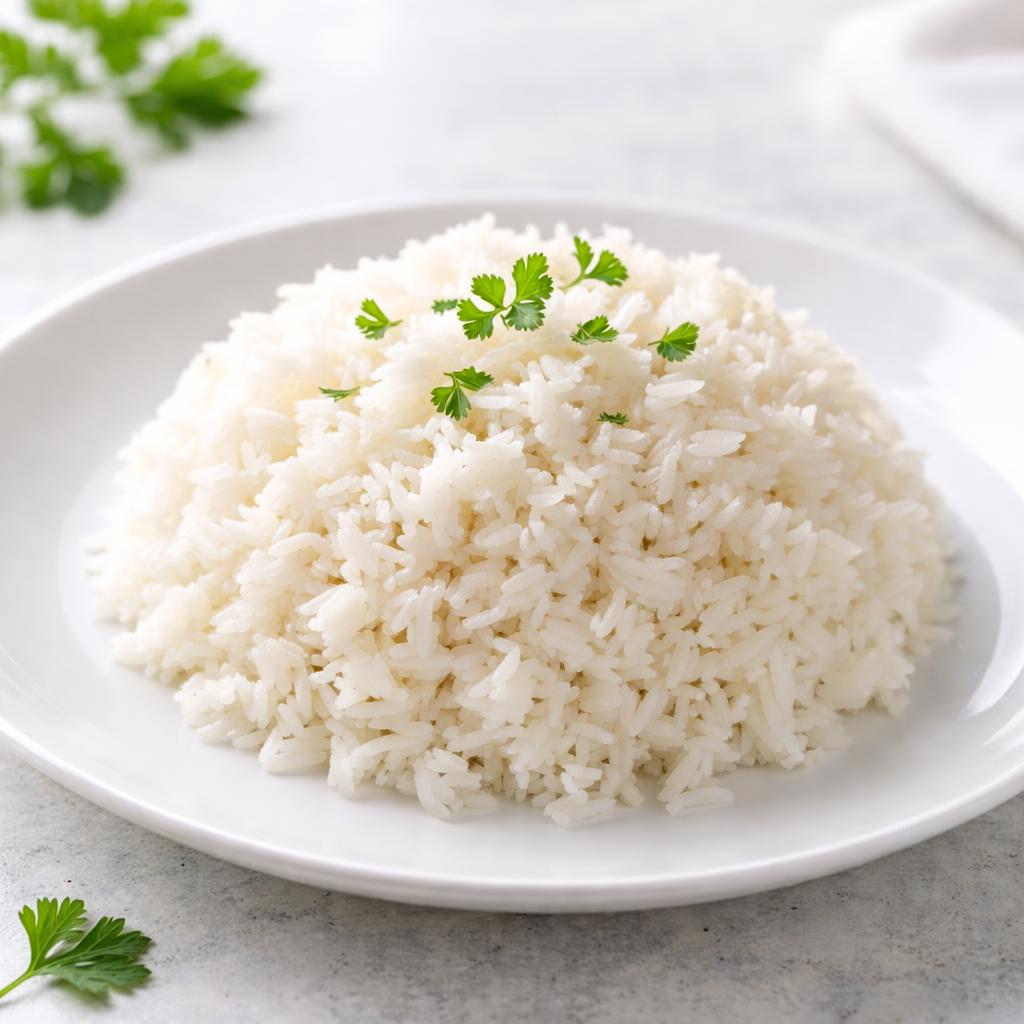
White Rice
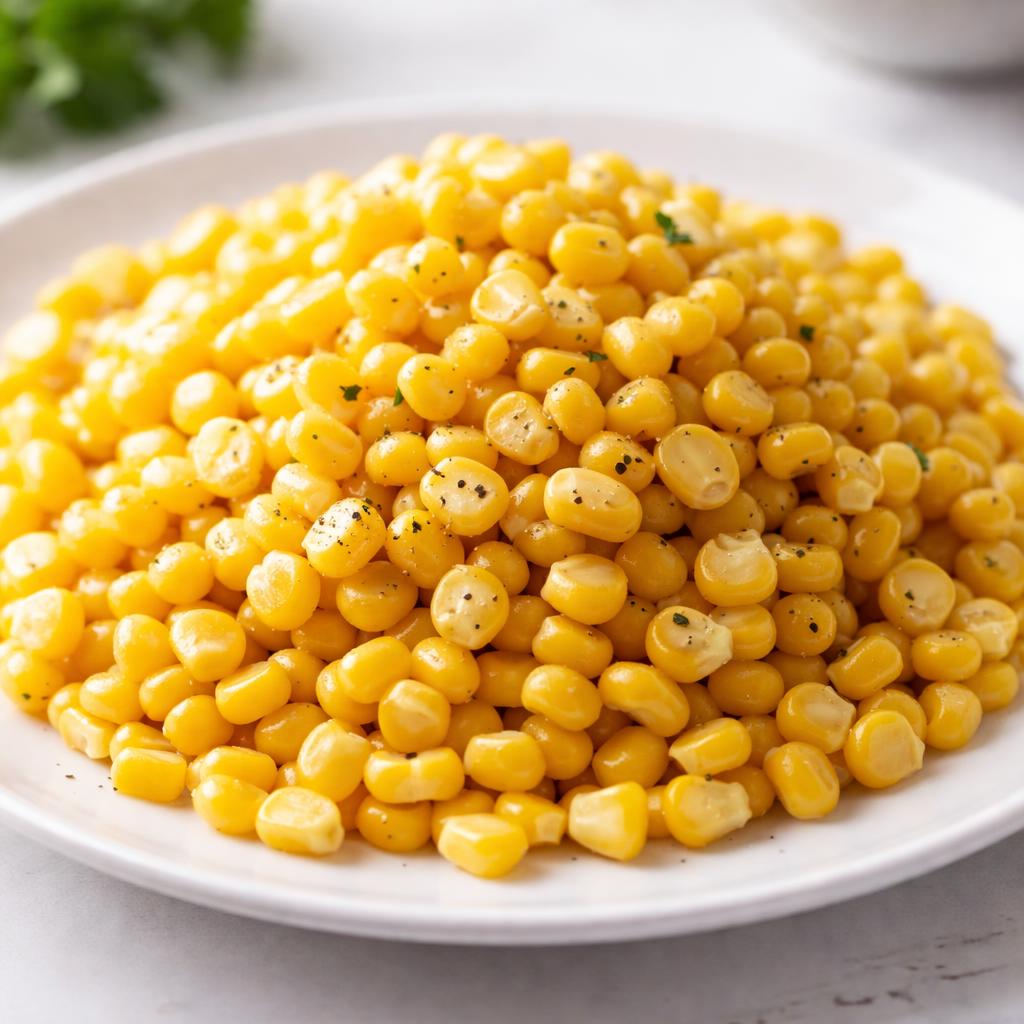
Corn Kernels
🎯 Quick Verdict
Corn kernels are more nutrient-dense, offering higher fiber, vitamins, and minerals compared to white rice. White rice is lower in calories and carbs, making it suitable for lighter meals or diets focused on calorie control. Corn is more versatile and beneficial for heart health and digestion, while white rice is better for quick energy refueling or simple meals.

Smart Nutrition Tracking with SnapCalorie

📊 Nutritional Comparison
Macronutrients
| Nutrient | Food 1 | Food 2 | Winner |
|---|---|---|---|
| Calories | 130 | 86 | ✓ |
| Protein | 2.7g | 3g | − |
| Carbs | 28.2g | 19g | ✓ |
| Fat | 0.3g | 1.3g | ✓ |
| Fiber | 0.4g | 2.7g | ✓ |
Vitamins & Minerals
| Nutrient | Food 1 | Food 2 | Winner |
|---|---|---|---|
| Vitamin A | 0mcg | 187mcg | ✓ |
| Vitamin C | 0mg | 6.8mg | ✓ |
| Magnesium | 12mg | 37mg | ✓ |
🏆 Category Winners
Protein
Both foods contain nearly equal protein (around 3g per serving).
Fiber
Corn kernels provide significantly more fiber for digestion (2.7g vs 0.4g).
Calories
Corn is lower in calories (86 vs 130 per serving).
Vitamins
Corn is richer in essential vitamins such as Vitamin A and Vitamin C.
🥗 Diet Compatibility
Keto
Food 1: Not Compatible
Food 2: Not Compatible
Both foods are high in carbohydrates.
Vegan
Food 1: Compatible
Food 2: Compatible
Both foods are plant-based and suitable for vegan diets.
Gluten Free
Food 1: Compatible
Food 2: Compatible
Neither contains gluten, making both safe for gluten-free diets.
Paleo
Food 1: Not Compatible
Food 2: Compatible
Corn (a vegetable) meets paleo guidelines while white rice does not.
Low-Carb
Food 1: Not Compatible
Food 2: Not Compatible
Both are moderate to high in carbohydrates.
💪 Health Benefits Comparison
Food 1 Benefits
- Provides quick and easily digestible energy
- Low in fat for lighter meal options
- Serves as a neutral base for diverse cuisines
Food 2 Benefits
- High in dietary fiber for improved digestion
- Rich in Vitamin A and antioxidants for eye health
- Contains magnesium to support muscle function
✅ The Bottom Line
Choose corn kernels for nutrient density, fiber, and vitamins, especially for promoting digestion and heart health. White rice is useful for quick energy needs or light meals with lower calories and carbs. Both have their place depending on dietary goals.
Choose Food 1 for: Low-calorie meals, easy digestion, post-workout carb refueling
Choose Food 2 for: Digestive health, vitamin boosts, nutrient-dense snacks or meals


