White Rice VS Corn Flakes
A detailed nutritional comparison
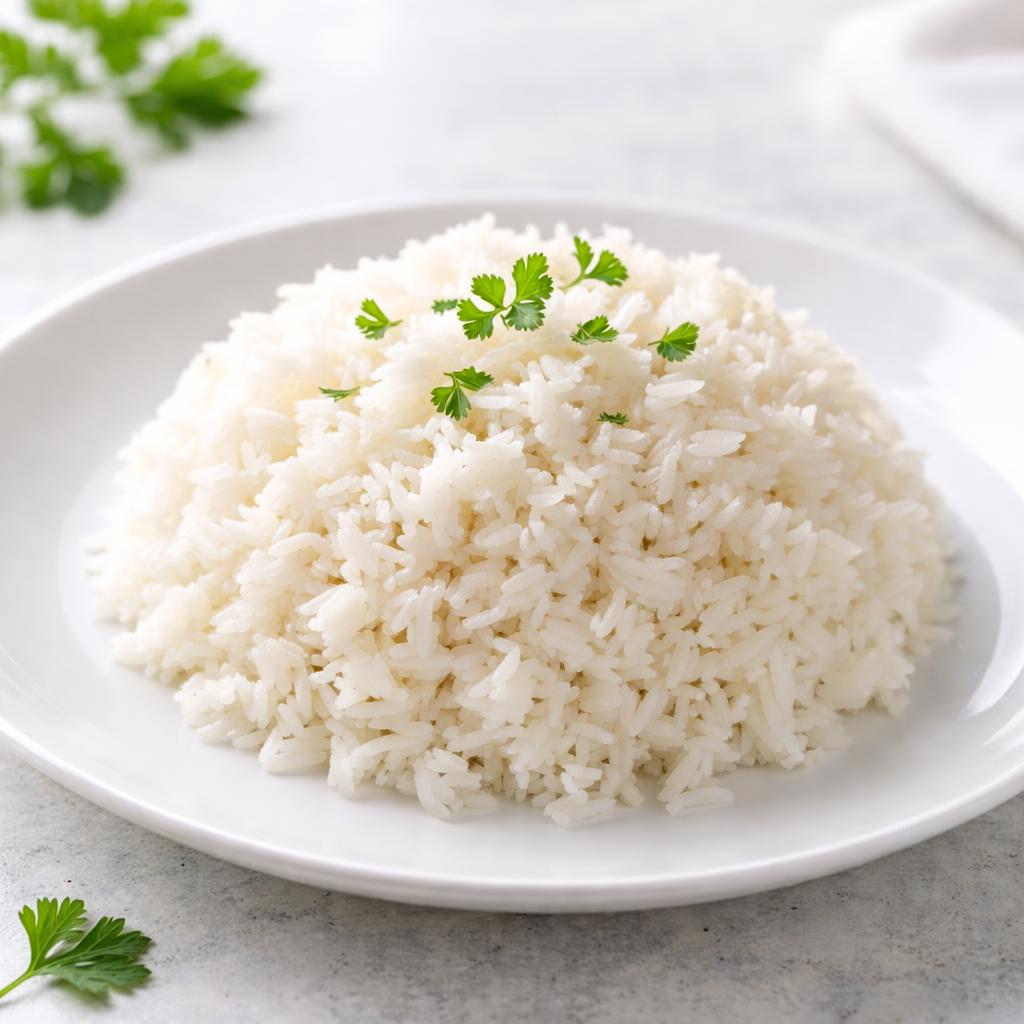
White Rice
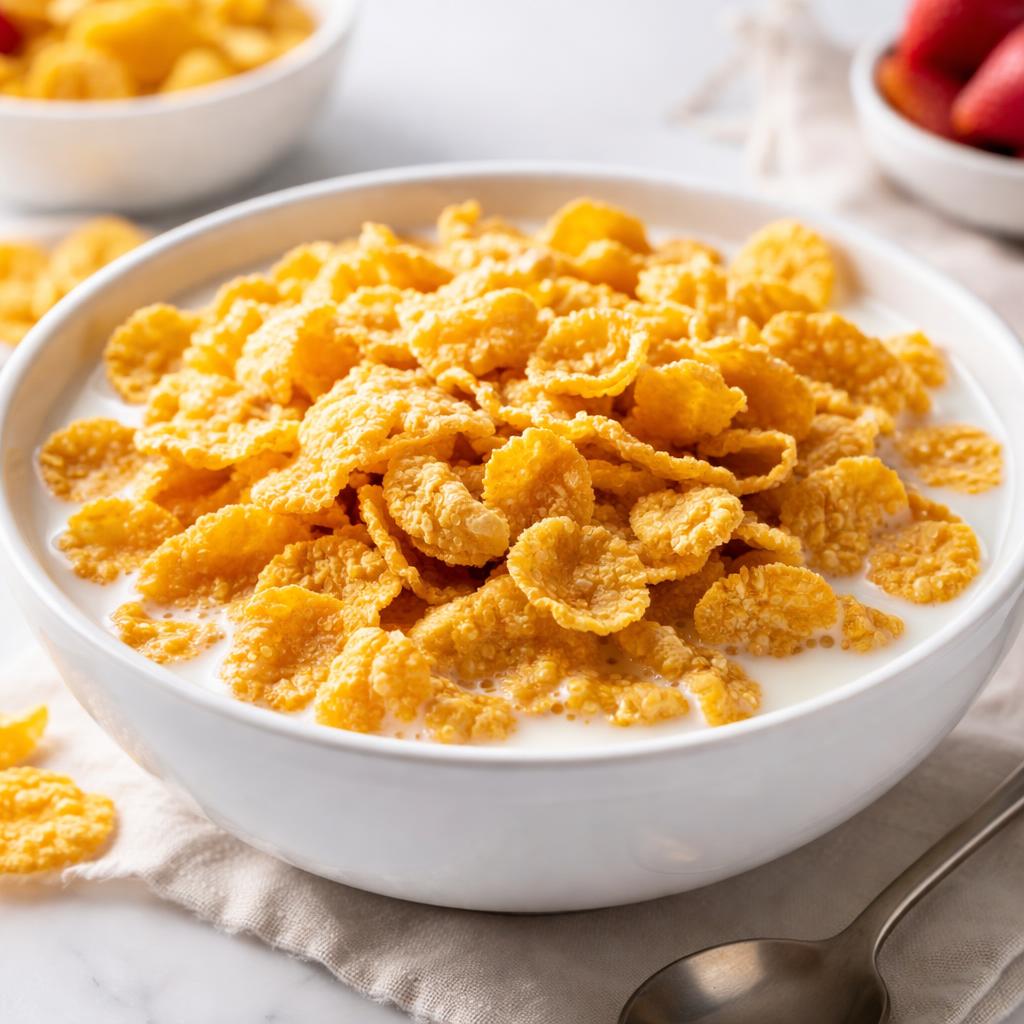
Corn Flakes
🎯 Quick Verdict
Corn flakes and white rice differ significantly in nutrition. Corn flakes provide slightly more protein and fiber, while white rice is lower in calories and carbohydrates. Corn flakes are better suited for breakfast or snacks, while white rice works well as a carbohydrate base for meals.

Smart Nutrition Tracking with SnapCalorie

📊 Nutritional Comparison
Macronutrients
| Nutrient | Food 1 | Food 2 | Winner |
|---|---|---|---|
| Calories | 130 | 150 | ✓ |
| Protein | 2.6g | 3g | ✓ |
| Carbs | 28g | 33g | ✓ |
| Fat | 0.3g | 0.5g | ✓ |
| Fiber | 0.4g | 1g | ✓ |
Vitamins & Minerals
| Nutrient | Food 1 | Food 2 | Winner |
|---|---|---|---|
| Vitamin C | 0mg | 0mg | − |
| Vitamin D | 0mcg | 1mcg | ✓ |
| Calcium | 10mg | 15mg | ✓ |
| Iron | 0.2mg | 8mg | ✓ |
🏆 Category Winners
Protein
Corn flakes have slightly more protein per serving (3g vs 2.6g).
Fiber
Corn flakes contain over twice the fiber of white rice.
Calories
White rice is 13% lower in calories per serving.
Vitamins
Corn flakes are fortified with vitamins like iron and vitamin D, whereas white rice provides minimal micronutrients.
🥗 Diet Compatibility
Keto
Food 1: Not Compatible
Food 2: Not Compatible
Both foods are high-carb and unsuitable for keto diets.
Vegan
Food 1: Compatible
Food 2: Compatible
Both foods are plant-based and vegan-friendly.
Gluten Free
Food 1: Compatible
Food 2: Not Compatible
White rice is naturally gluten-free, but standard corn flakes may contain malt flavoring that is not gluten-free.
Paleo
Food 1: Compatible
Food 2: Not Compatible
White rice is sometimes allowed in Paleo diets, whereas corn flakes are processed and typically excluded.
Low-Carb
Food 1: Not Compatible
Food 2: Not Compatible
Both are higher-carb options unsuitable for low-carb diets.
💪 Health Benefits Comparison
Food 1 Benefits
- Energy source with complex carbohydrates
- Low in fat and sodium
- Easy to digest for sensitive stomachs
Food 2 Benefits
- Fortified with iron and vitamin D for bone and blood health
- Provides dietary fiber for better digestion
- Quick and convenient breakfast option
✅ The Bottom Line
Corn flakes are a better choice if you're looking for a quick breakfast with added nutrients like iron and vitamin D, while white rice is ideal as a versatile staple for low-fat meals or sensitive stomachs. Choose based on your meal timing and nutrient needs.
Choose Food 1 for: Meal base, easy digestion, low-calorie diets
Choose Food 2 for: Breakfast, fiber intake, fortified nutrients


