White Rice VS Cooked Jasmine Rice
A detailed nutritional comparison
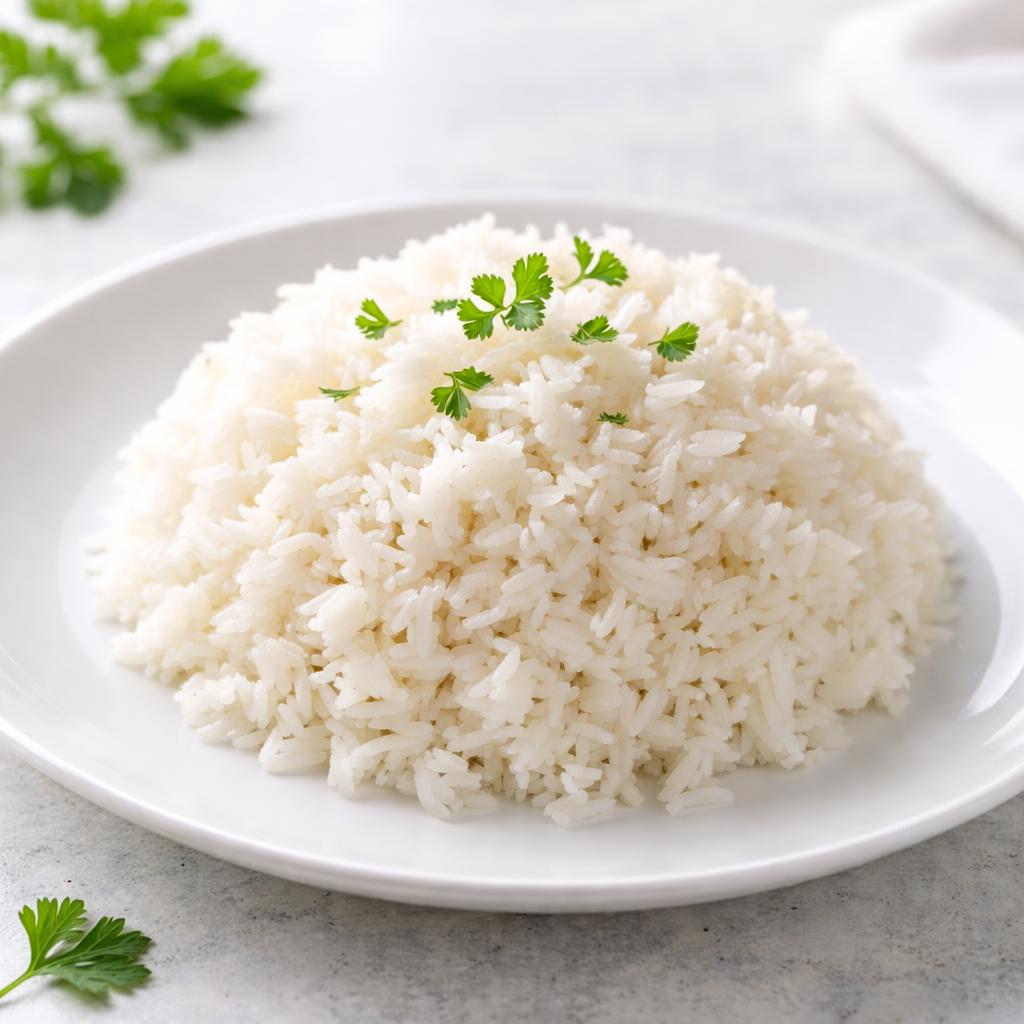
White Rice
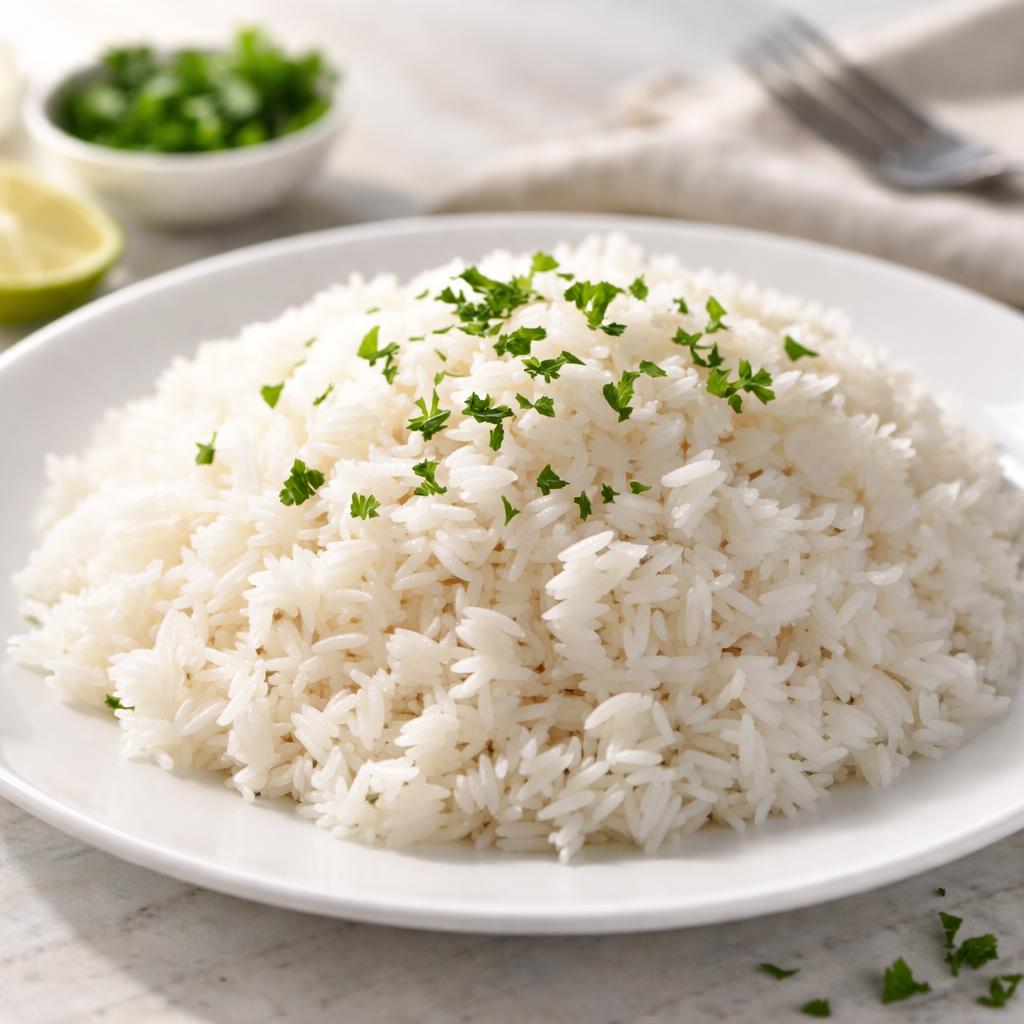
Cooked Jasmine Rice
🎯 Quick Verdict
White rice and jasmine rice are both carbohydrate-rich staples, but jasmine rice provides slightly more fiber. White rice has fewer calories, making it potentially better for calorie-conscious diets. Jasmine rice has a more aromatic flavor, ideal for dishes requiring fragrance and texture.

Smart Nutrition Tracking with SnapCalorie

📊 Nutritional Comparison
Macronutrients
| Nutrient | Food 1 | Food 2 | Winner |
|---|---|---|---|
| Calories | 130 | 170 | ✓ |
| Protein | 2.7g | 2.7g | − |
| Carbs | 28.2g | 36g | ✓ |
| Fat | 0.3g | 0.4g | ✓ |
| Fiber | 0.4g | 1g | ✓ |
Vitamins & Minerals
| Nutrient | Food 1 | Food 2 | Winner |
|---|---|---|---|
| Vitamin D | 0mcg | 0mcg | − |
| Calcium | 10mg | 13mg | ✓ |
| Iron | 0.2mg | 0.4mg | ✓ |
🏆 Category Winners
Protein
Both foods contain the same amount of protein per serving at 2.7g.
Fiber
Jasmine rice offers more fiber, improving digestion.
Calories
White rice has fewer calories, making it better for calorie-conscious diets.
Vitamins
Jasmine rice has slightly more calcium and iron.
🥗 Diet Compatibility
Keto
Food 1: Not Compatible
Food 2: Not Compatible
Both are high in carbohydrates.
Vegan
Food 1: Compatible
Food 2: Compatible
Both are plant-based staples.
Gluten Free
Food 1: Compatible
Food 2: Compatible
Neither contains gluten.
Paleo
Food 1: Compatible
Food 2: Compatible
Both are paleo-approved.
Low-Carb
Food 1: Not Compatible
Food 2: Not Compatible
Both foods are high in carbohydrates.
💪 Health Benefits Comparison
Food 1 Benefits
- Lower in calories, beneficial for calorie-conscious diets
- Provides quick energy due to high carbohydrate content
- Easily digestible, suitable for sensitive stomachs
Food 2 Benefits
- Higher fiber content, supporting digestion and gut health
- More aromatic and flavorful, enhancing culinary experience
- Provides small amounts of calcium and iron for bone and blood health
✅ The Bottom Line
White rice is ideal for low-calorie, easily digestible meals, while jasmine rice is better for those needing extra fiber and a fragrant taste profile. Both are versatile staples in global cuisines.
Choose Food 1 for: Calorie-conscious diets, simple dishes, sensitive stomachs
Choose Food 2 for: Satiating meals, gut health, aromatics in recipes


