White Rice VS Coconut Yogurt
A detailed nutritional comparison
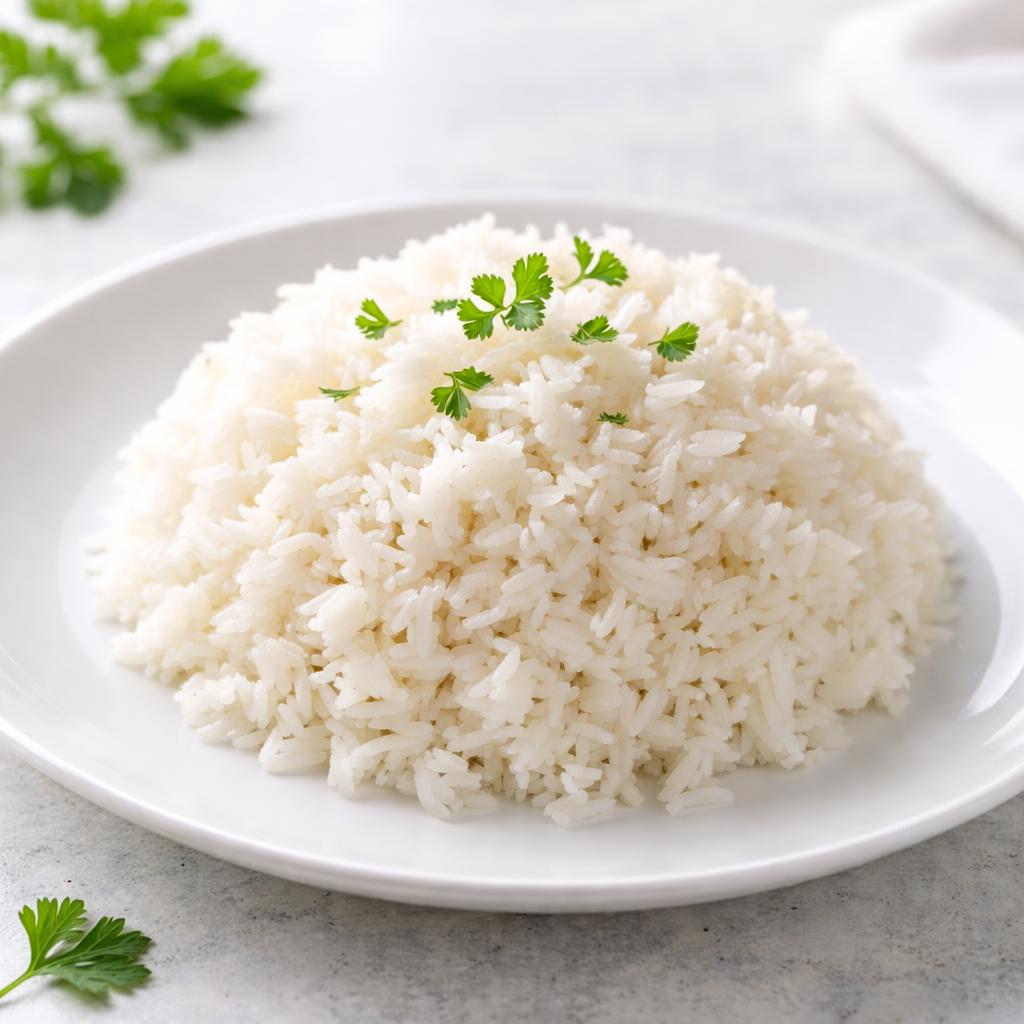
White Rice

Coconut Yogurt
🎯 Quick Verdict
Coconut yogurt provides more protein, fiber, and fewer calories compared to white rice, making it a nutrient-dense choice for those seeking health benefits. White rice, however, is a carb-rich energy source and works best for situations needing quick fuel like pre-workout meals.

Smart Nutrition Tracking with SnapCalorie

📊 Nutritional Comparison
Macronutrients
| Nutrient | Food 1 | Food 2 | Winner |
|---|---|---|---|
| Calories | 205 per cup | 120 per cup | ✓ |
| Protein | 4.2g per cup | 2g per cup | ✓ |
| Carbs | 45g per cup | 9g per cup | ✓ |
| Fat | 0.4g per cup | 11g per cup | ✓ |
| Fiber | 0.6g per cup | 4g per cup | ✓ |
Vitamins & Minerals
| Nutrient | Food 1 | Food 2 | Winner |
|---|---|---|---|
| Vitamin C | 0mg | 3mg | ✓ |
| Calcium | 13mg | 100mg | ✓ |
| Vitamin D | 0mcg | 2mcg | ✓ |
| Iron | 0.2mg | 1mg | ✓ |
🏆 Category Winners
Protein
White rice contains more protein per cup, but the difference is small.
Fiber
Coconut yogurt delivers significantly more fiber (4g vs 0.6g per cup).
Calories
Coconut yogurt has 40% fewer calories per cup, ideal for weight management.
Vitamins
Coconut yogurt offers higher levels of calcium, vitamin D, and iron.
🥗 Diet Compatibility
Keto
Food 1: Not Compatible
Food 2: Compatible
Coconut yogurt is high-fat and low-carb, suitable for keto diets.
Vegan
Food 1: Not Compatible
Food 2: Compatible
Coconut yogurt is plant-based, while white rice may not suit some vegan diets due to processing.
Gluten Free
Food 1: Compatible
Food 2: Compatible
Both are naturally gluten-free.
Paleo
Food 1: Not Compatible
Food 2: Compatible
Coconut yogurt aligns with paleo principles, while white rice does not due to its refined nature.
Low-Carb
Food 1: Not Compatible
Food 2: Compatible
White rice is high in carbohydrates (45g per cup). Coconut yogurt is lower carb (9g per cup).
💪 Health Benefits Comparison
Food 1 Benefits
- Quick source of energy for high-activity levels
- Easy to digest and gentle on the stomach
- Versatile base for meals and recipes
Food 2 Benefits
- High in healthy fats for sustained energy
- Rich in calcium for bone health
- Contains beneficial probiotics for gut health
- Low-carb and keto-friendly for metabolic support
✅ The Bottom Line
White rice is ideal as a carb-rich energy source for athletes or those needing quick fuel, while coconut yogurt stands out as a nutrient-dense option for vegan, ketogenic, and paleo diets. Consider context when choosing.
Choose Food 1 for: Pre-workout, energy boost, simple meals
Choose Food 2 for: Weight management, gut health, nutrient-dense snacking


