White Rice VS Coconut
A detailed nutritional comparison
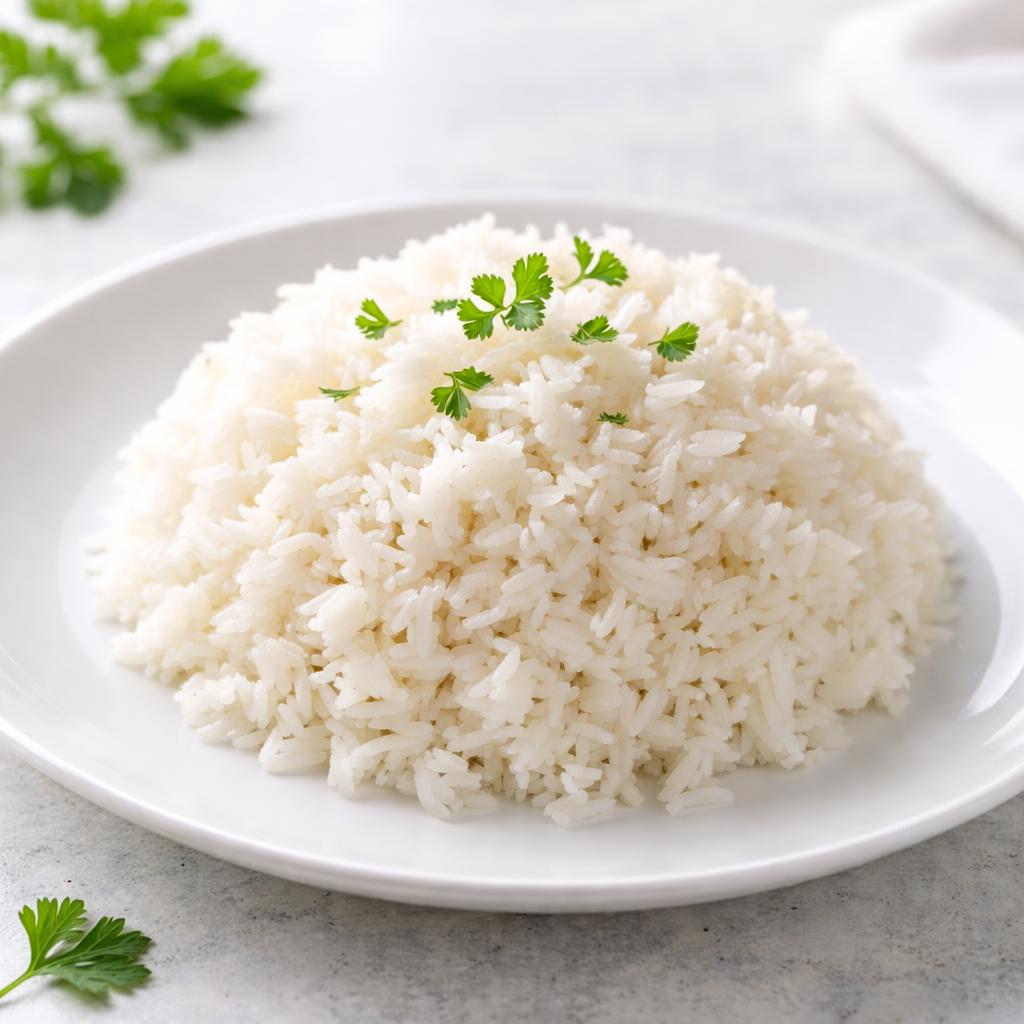
White Rice
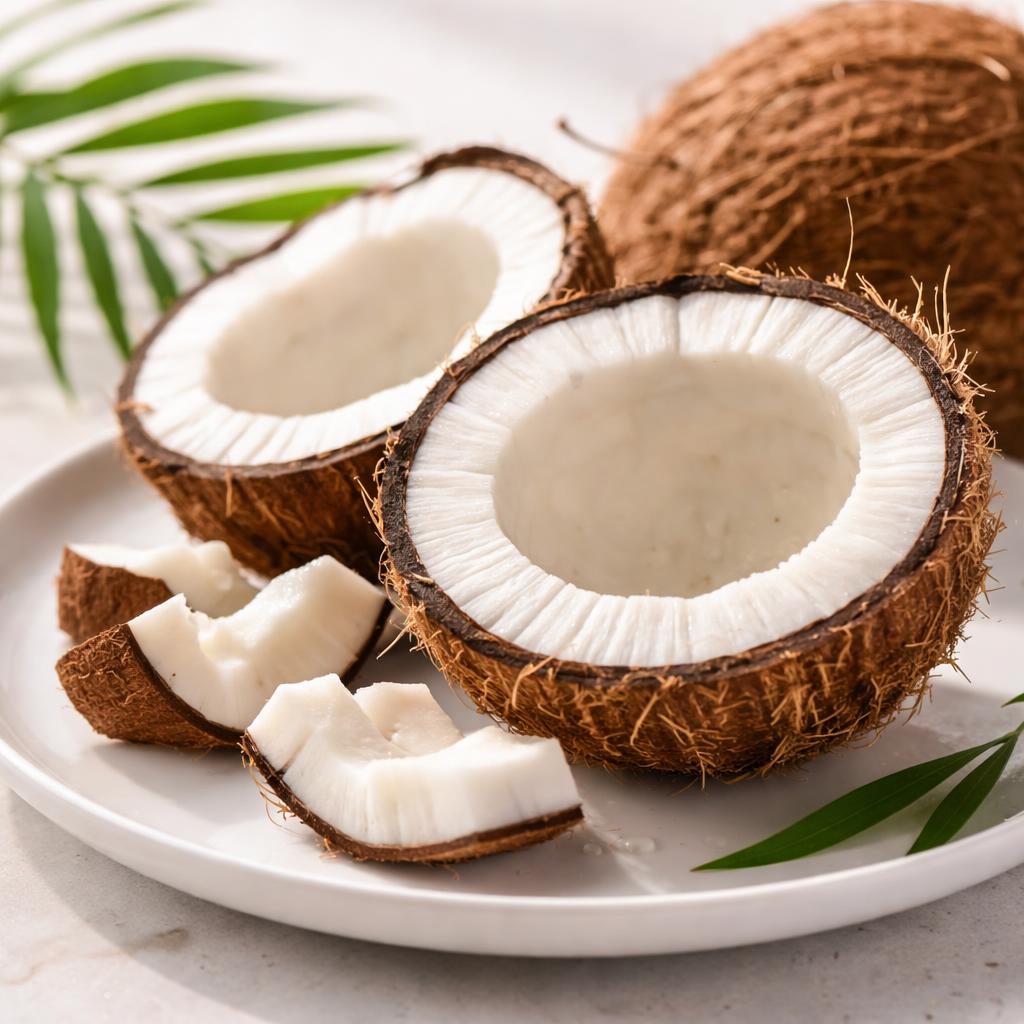
Coconut
🎯 Quick Verdict
White rice and coconut are vastly different nutritionally and serve distinct purposes. White rice is low in calories and fat but offers few vitamins and minerals, while coconut is higher in calories and fat yet provides fiber, healthy fats, and micronutrients. Choose white rice for energy and simplicity, while coconut works better for keto and heart-healthy diets.

Smart Nutrition Tracking with SnapCalorie

📊 Nutritional Comparison
Macronutrients
| Nutrient | Food 1 | Food 2 | Winner |
|---|---|---|---|
| Calories | 130 (per 100g cooked) | 354 (per 100g raw) | ✓ |
| Protein | 2.7g | 3.3g | ✓ |
| Carbs | 28.7g | 15.2g | ✓ |
| Fat | 0.3g | 33g | ✓ |
| Fiber | 0.4g | 9g | ✓ |
Vitamins & Minerals
| Nutrient | Food 1 | Food 2 | Winner |
|---|---|---|---|
| Vitamin C | 0mg | 3.3mg | ✓ |
| Vitamin D | 0mcg | 0mcg | − |
| Calcium | 10mg | 14mg | ✓ |
| Iron | 0.2mg | 2.4mg | ✓ |
🏆 Category Winners
Protein
Coconut provides slightly more protein than white rice per 100g.
Fiber
Coconut offers significantly higher fiber content.
Calories
White rice has around 63% fewer calories per 100g compared to coconut.
Vitamins
Coconut is richer in calcium, iron, and vitamin C, essential for bone and immune health.
🥗 Diet Compatibility
Keto
Food 1: Not Compatible
Food 2: Compatible
White rice is high in carbs, while coconut is low-carb and high-fat.
Vegan
Food 1: Compatible
Food 2: Compatible
Both are plant-based foods.
Gluten Free
Food 1: Compatible
Food 2: Compatible
Neither food contains gluten.
Paleo
Food 1: Not Compatible
Food 2: Compatible
White rice is a grain and not paleo-approved, whereas coconut is a natural and paleo-compliant food.
Low-Carb
Food 1: Not Compatible
Food 2: Compatible
White rice contains high carbohydrate levels, while coconut is low in carbs.
💪 Health Benefits Comparison
Food 1 Benefits
- Provides quick and sustained energy from carbohydrates
- Low in fat, suitable for low-fat diets
- Neutral taste pairs well with many dishes
Food 2 Benefits
- Rich in healthy fats that support heart health
- High in dietary fiber for improved digestion
- Contains iron and calcium, promoting bone and blood health
✅ The Bottom Line
White rice is a versatile low-calorie option for energy and staple meals, while coconut serves as a nutrient-dense, fiber-rich choice for heart-healthy and low-carb diets. Select white rice for simplicity and quick energy, and choose coconut for its health benefits and diet compatibility.
Choose Food 1 for: Low-fat diets, carbohydrate loading, versatile meal applications
Choose Food 2 for: Keto and paleo diets, heart health, nutrient-rich snacks


