White Rice VS Cocktail Sauce
A detailed nutritional comparison
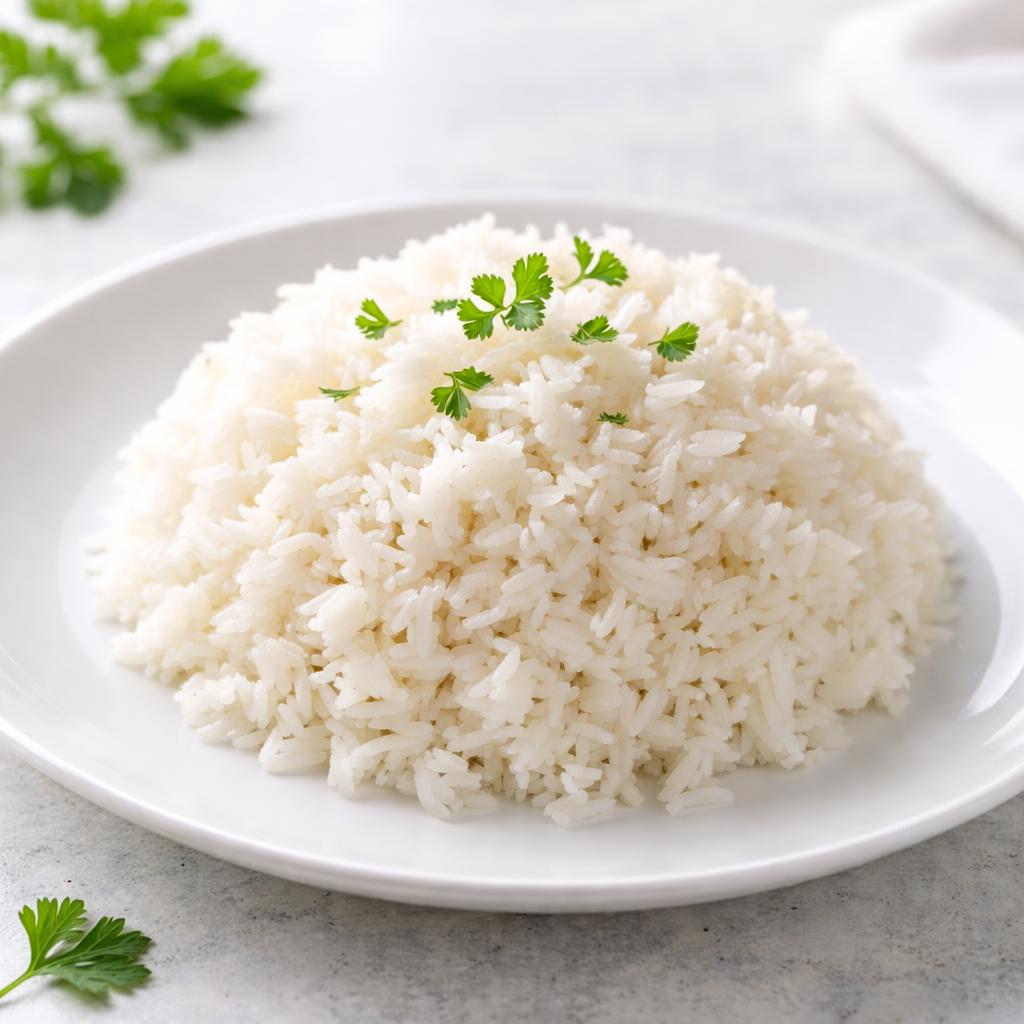
White Rice
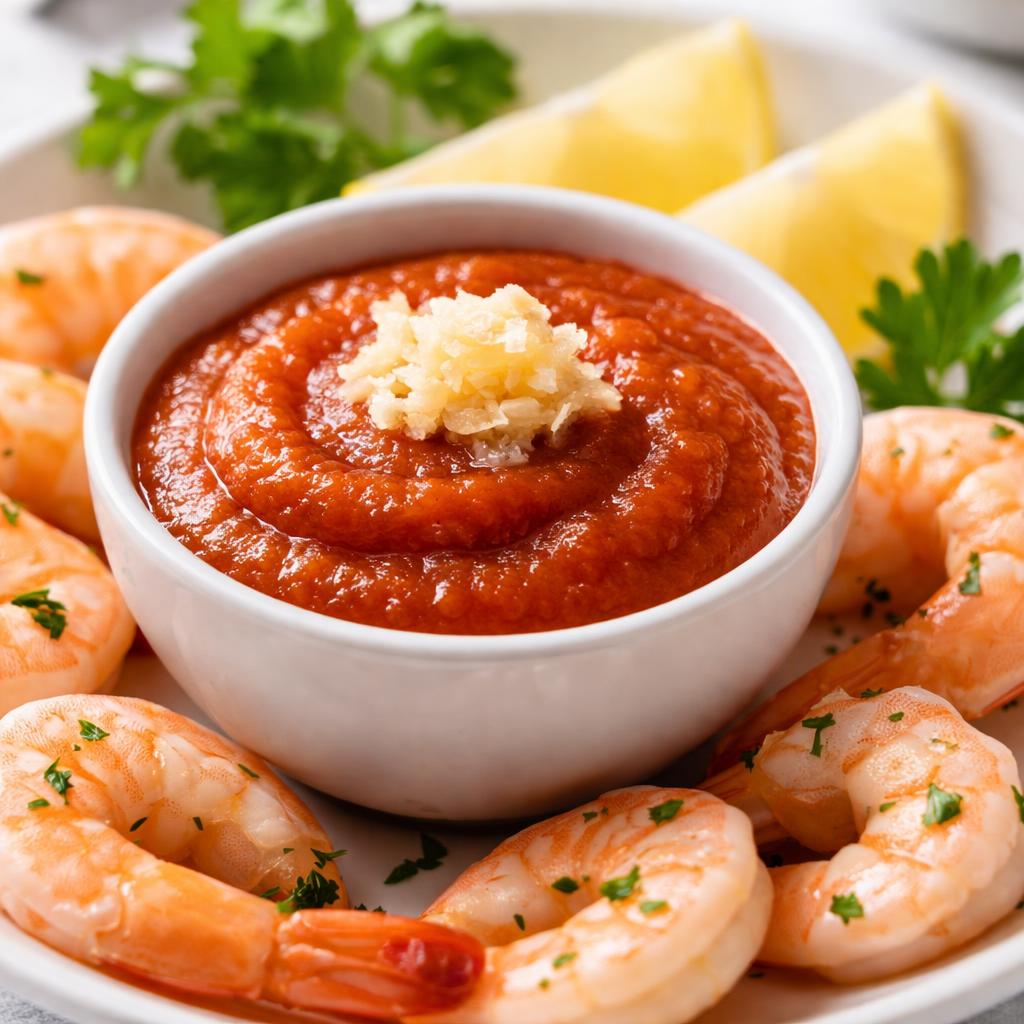
Cocktail Sauce
🎯 Quick Verdict
White rice is a calorie-dense, carbohydrate-rich staple great for energy, while cocktail sauce is a condiment low in calories but higher in added sugars. Rice is best for fueling workouts or as a meal base, while cocktail sauce serves as a flavorful addition with minimal nutritional value.

Smart Nutrition Tracking with SnapCalorie

📊 Nutritional Comparison
Macronutrients
| Nutrient | Food 1 | Food 2 | Winner |
|---|---|---|---|
| Calories | 206 per 1 cup cooked | 30 per 2 tablespoons | ✓ |
| Protein | 4.3g per 1 cup cooked | 0.6g per 2 tablespoons | − |
| Carbs | 45g per 1 cup cooked | 7g per 2 tablespoons | ✓ |
| Fat | 0.4g per 1 cup cooked | 0.1g per 2 tablespoons | ✓ |
| Fiber | 0.6g per 1 cup cooked | 1g per 2 tablespoons | ✓ |
Vitamins & Minerals
| Nutrient | Food 1 | Food 2 | Winner |
|---|---|---|---|
| Vitamin D | 0mcg | 0mcg | − |
| Calcium | 16mg | 9mg | ✓ |
| Iron | 0.8mg | 0.3mg | ✓ |
| Vitamin C | 0mg | 5.5mg per 2 tablespoons | ✓ |
🏆 Category Winners
Protein
Neither food is a significant source of protein.
Fiber
Cocktail sauce contains nearly double the fiber.
Calories
Cocktail sauce has fewer calories per serving.
Vitamins
Cocktail sauce provides notable vitamin C, absent in white rice.
🥗 Diet Compatibility
Keto
Food 1: Not Compatible
Food 2: Not Compatible
Both foods contain significant carbs.
Vegan
Food 1: Compatible
Food 2: Compatible
Neither contains animal products.
Gluten Free
Food 1: Compatible
Food 2: Likely Compatible
Rice is gluten-free, while cocktail sauce depends on additives.
Paleo
Food 1: Not Compatible
Food 2: Not Compatible
White rice is excluded on paleo diets, and cocktail sauce contains added sugars.
Low Carb
Food 1: Not Compatible
Food 2: Compatible
Cocktail sauce is lower in carbs at 7g per serving vs rice at 45g.
💪 Health Benefits Comparison
Food 1 Benefits
- Great source of energy from carbohydrates
- Low in fat and cholesterol-free
- Provides small amounts of iron and magnesium
Food 2 Benefits
- Low in calories, ideal for flavor enhancement without excessive caloric intake
- Contains vitamin C for immune support
- Higher fiber per serving compared to white rice
✅ The Bottom Line
Choose white rice for energy and as a meal base, particularly for active lifestyles or post-workout recovery. Opt for cocktail sauce when seeking a low-calorie condiment with antioxidants and added fiber, ideal for enhancing seafood dishes.
Choose Food 1 for: Energy, meal building, carb refueling
Choose Food 2 for: Low-calorie, flavor boost, small fiber supplementation


