White Rice VS Chocolate Tart
A detailed nutritional comparison
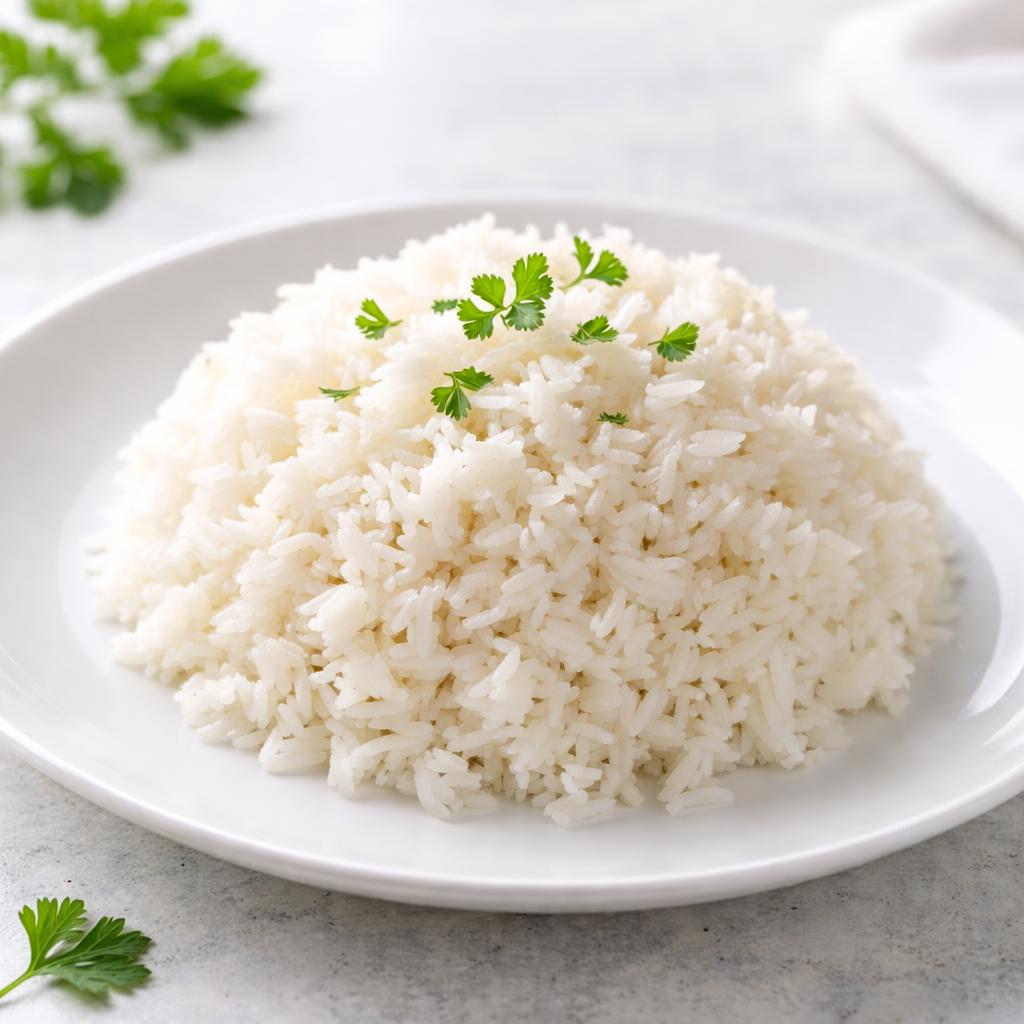
White Rice

Chocolate Tart
🎯 Quick Verdict
White rice is a lower-calorie, low-fat option ideal for energy replenishment and pairing with protein-rich dishes. Chocolate tart is calorie-dense but provides higher fiber and fat, along with antioxidants from cocoa, making it more suited for indulgence or sustained energy. White rice lacks significant micronutrients, while chocolate tart delivers some vitamins and minerals.

Smart Nutrition Tracking with SnapCalorie

📊 Nutritional Comparison
Macronutrients
| Nutrient | Food 1 | Food 2 | Winner |
|---|---|---|---|
| Calories | 205 per 1 cup (cooked) | 320 per 1 slice | ✓ |
| Protein | 4g | 4g | − |
| Carbs | 45g | 36g | ✓ |
| Fat | 0.4g | 17g | ✓ |
| Fiber | 0.6g | 3g | ✓ |
Vitamins & Minerals
| Nutrient | Food 1 | Food 2 | Winner |
|---|---|---|---|
| Vitamin D | 0mcg | 2mcg | ✓ |
| Calcium | 24mg | 55mg | ✓ |
| Iron | 0.2mg | 1mg | ✓ |
🏆 Category Winners
Protein
Both foods offer similar protein content (4g).
Fiber
Food2 (chocolate tart) contains five times more fiber than food1 (white rice).
Calories
Food1 contains 36% fewer calories compared to food2.
🥗 Diet Compatibility
Keto
Food 1: Not Compatible
Food 2: Not Compatible
Both are high in carbohydrates.
Vegan
Food 1: Compatible
Food 2: Not Compatible
White rice is plant-based, but chocolate tart typically contains dairy.
Gluten Free
Food 1: Compatible
Food 2: Not Compatible
White rice is naturally gluten-free while chocolate tart often contains flour.
Paleo
Food 1: Not Compatible
Food 2: Not Compatible
Neither food fits the paleo dietary guidelines due to processed ingredients.
Low-Carb
Food 1: Not Compatible
Food 2: Not Compatible
Both foods are high in carbs (>35g per serving).
💪 Health Benefits Comparison
Food 1 Benefits
- Provides quick energy due to high carbohydrate content.
- Low in fat, suitable for low-fat diets.
- Gluten-free, safe for those with celiac disease or gluten sensitivity.
Food 2 Benefits
- Rich in antioxidants from cocoa that may support cardiovascular health.
- Provides fiber for better digestion.
- Contains calcium and iron, contributing to bone and blood health.
✅ The Bottom Line
Choose white rice for a low-fat, gluten-free energy source or as a versatile base for meals. Opt for chocolate tart when seeking a fiber-rich, indulgent dessert with added antioxidants and minerals but use sparingly due to its high calorie and fat content.
Choose Food 1 for: Energy replenishment, low-fat diets, gluten-free eaters.
Choose Food 2 for: Dessert, casual indulgence, fiber intake boost.


