White Rice VS Chipotle Chips
A detailed nutritional comparison
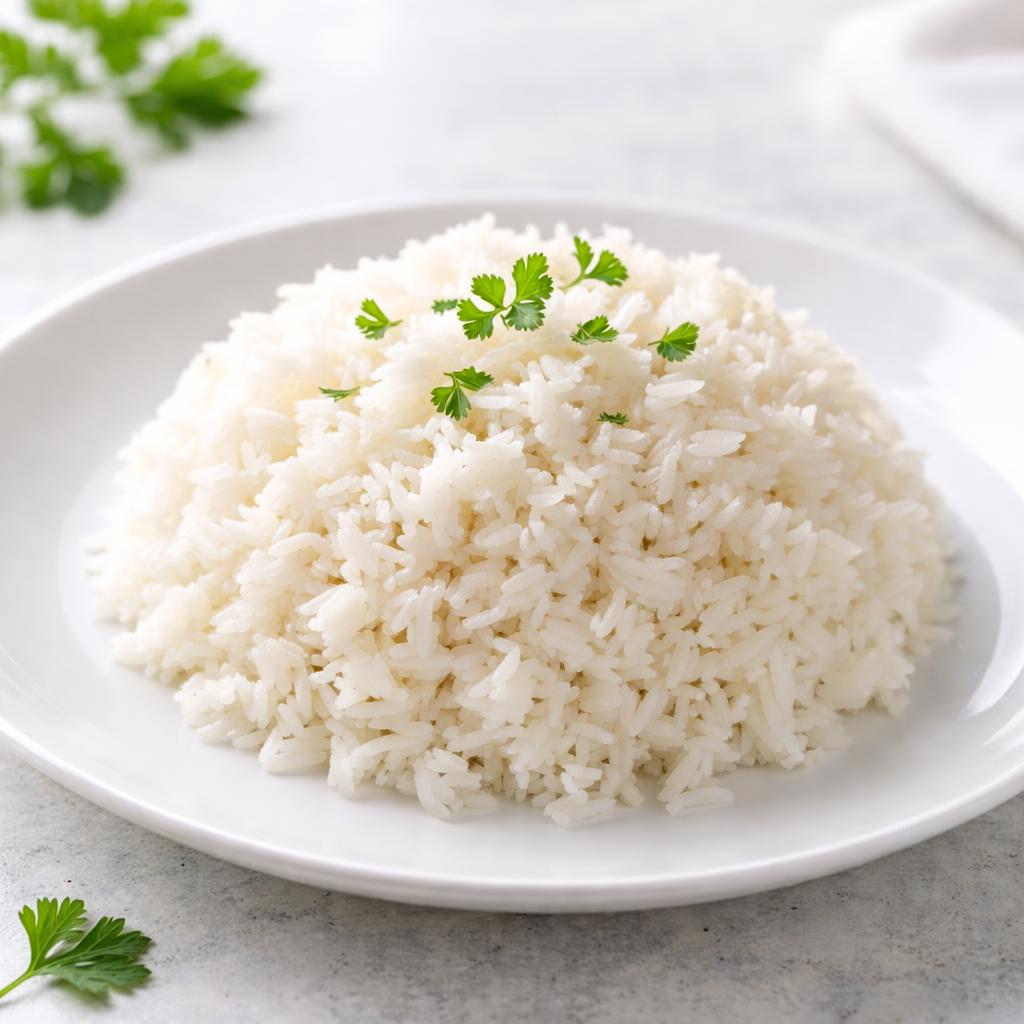
White Rice
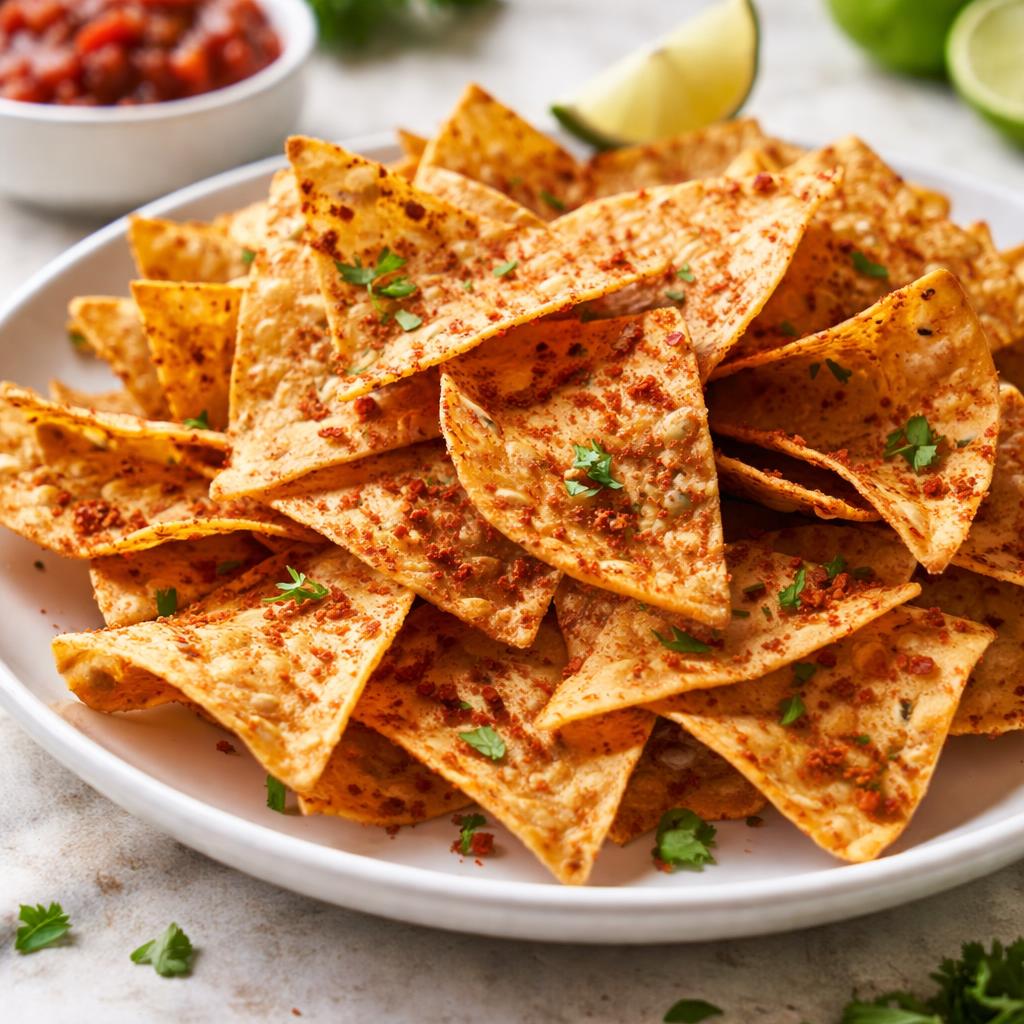
Chipotle Chips
🎯 Quick Verdict
White rice is a lower-calorie option with minimal fat, but it offers less fiber and fewer vitamins compared to Chipotle chips. The chips provide more fiber, some protein, and notable healthy fats, making them a better option for nutrient density and energy. However, white rice is better suited for controlled-calorie diets or carb-centric meals.

Smart Nutrition Tracking with SnapCalorie

📊 Nutritional Comparison
Macronutrients
| Nutrient | Food 1 | Food 2 | Winner |
|---|---|---|---|
| Calories | 205 | 570 | ✓ |
| Protein | 4.3g | 4g | − |
| Carbs | 44.5g | 73.4g | ✓ |
| Fat | 0.4g | 27g | ✓ |
| Fiber | 0.6g | 4g | ✓ |
Vitamins & Minerals
| Nutrient | Food 1 | Food 2 | Winner |
|---|---|---|---|
| Vitamin A | 0mcg | 9mcg | ✓ |
| Vitamin E | 0mg | 3.2mg | ✓ |
| Calcium | 20mg | 44mg | ✓ |
| Iron | 0.2mg | 1mg | ✓ |
🏆 Category Winners
Protein
Both foods have similar protein content per serving (around 4g).
Fiber
Chipotle chips offer significantly more fiber (4g vs 0.6g).
Calories
White rice has far fewer calories per serving (205 vs 570).
Vitamins
Chipotle chips contain more vitamins and minerals overall, including Vitamin E and calcium.
🥗 Diet Compatibility
Keto
Food 1: Not Compatible
Food 2: Not Compatible
Both foods are high in carbohydrates.
Vegan
Food 1: Compatible
Food 2: Compatible
Both foods are plant-based.
Gluten Free
Food 1: Compatible
Food 2: Not Compatible
White rice is naturally gluten-free, but Chipotle chips contain potential gluten sources.
Paleo
Food 1: Compatible
Food 2: Not Compatible
White rice may fit certain Paleo diets, but chips typically contain processed ingredients.
Low-Carb
Food 1: Not Compatible
Food 2: Not Compatible
Both foods are carb-heavy, not suitable for low-carb diets.
💪 Health Benefits Comparison
Food 1 Benefits
- Low in fat, suitable for calorie control
- Provides quick energy via high-carb content
- Naturally gluten-free for sensitive diets
Food 2 Benefits
- Rich in fiber for improved digestion
- Contains healthy fats beneficial for heart health
- Provides essential vitamins like Vitamin E and calcium
✅ The Bottom Line
White rice is a better option for lower-calorie meals and calorie-conscious diets, especially if focusing on carb intake. Chipotle chips, however, are a more nutrient-dense choice, offering more fiber, fats, and vitamins. Both foods are vegan-friendly but serve distinct purposes.
Choose Food 1 for: Low-calorie diets, gluten-free meals, carb-loading
Choose Food 2 for: Energy-boosting snacks, nutrient density, fiber intake


