White Rice VS Chicken Meat
A detailed nutritional comparison
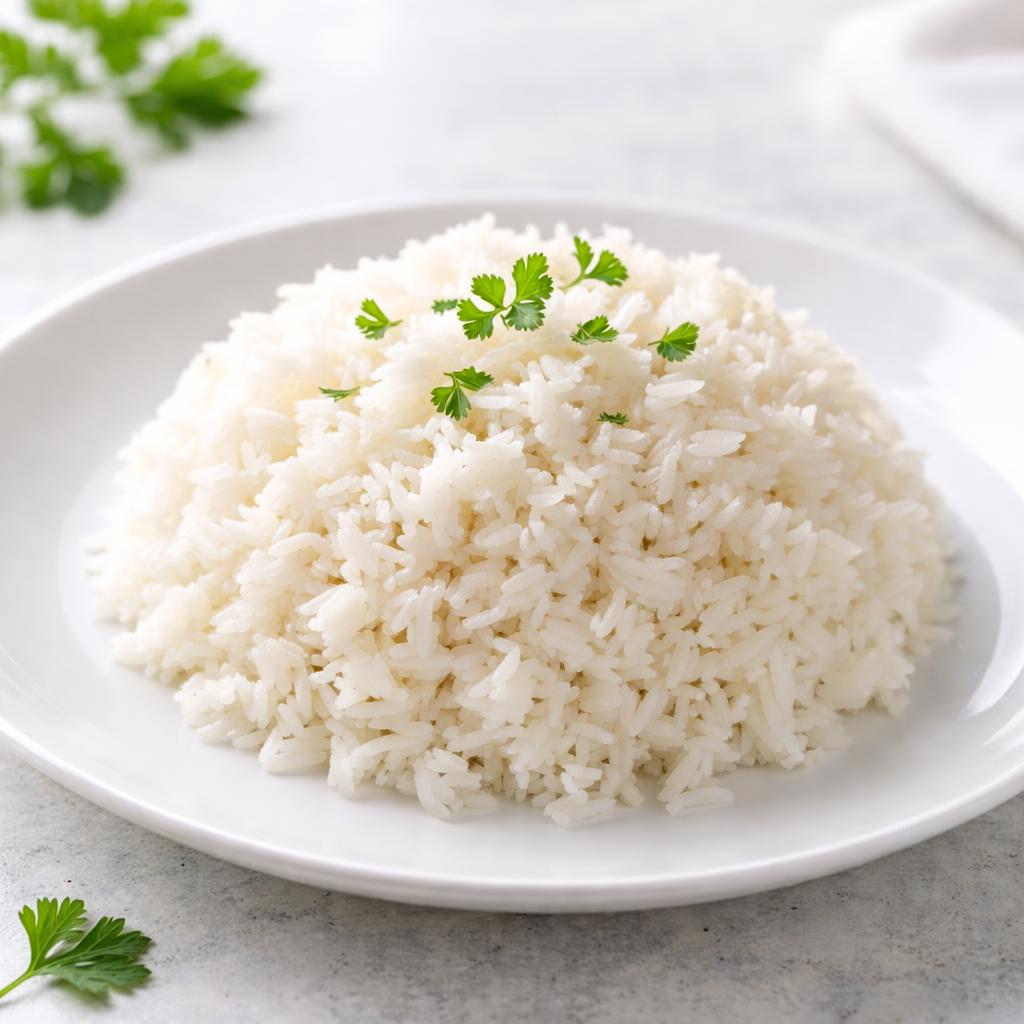
White Rice
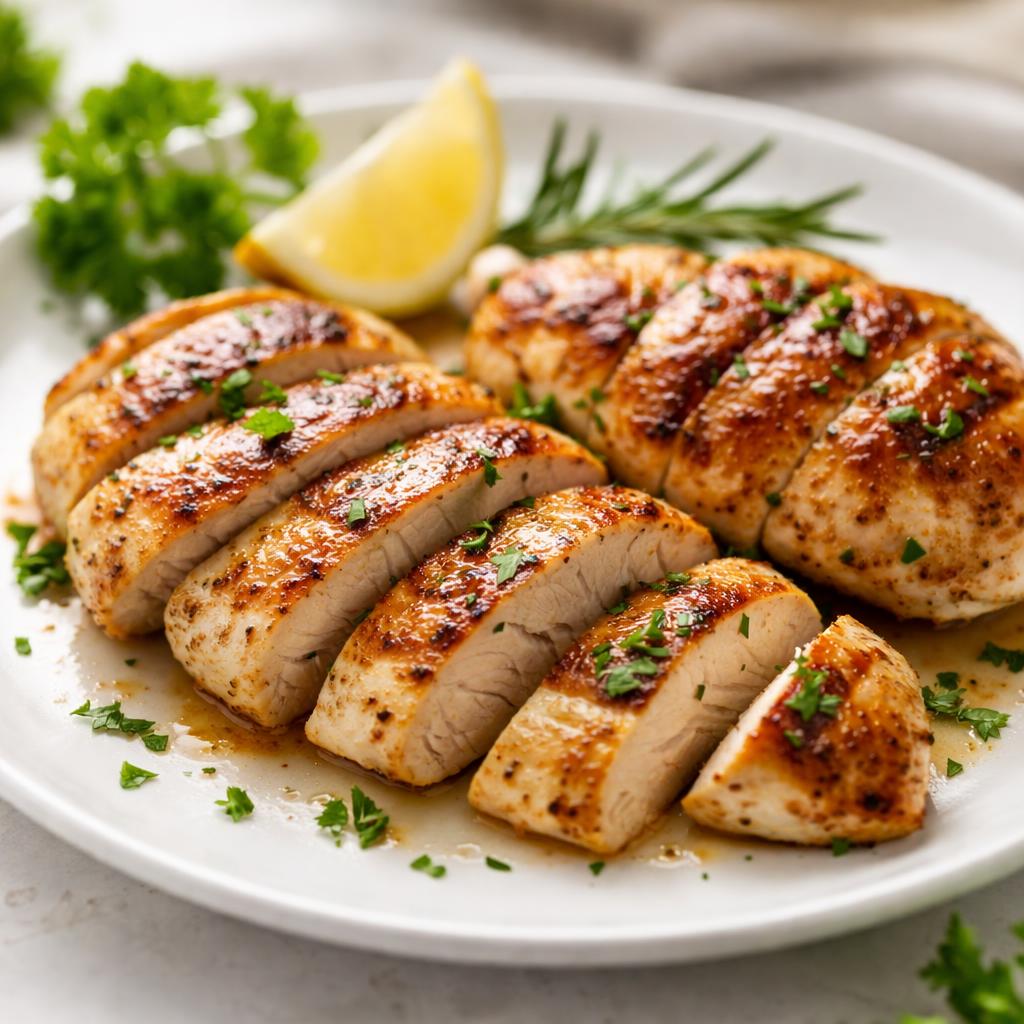
Chicken Meat
🎯 Quick Verdict
Chicken meat is a superior protein source, providing significantly more protein per serving compared to white rice. White rice, however, is higher in carbohydrates and provides more fiber per serving. Chicken is better for weight management and muscle recovery, while white rice is a suitable option for energy replenishment in high-activity scenarios.

Smart Nutrition Tracking with SnapCalorie

📊 Nutritional Comparison
Macronutrients
| Nutrient | Food 1 | Food 2 | Winner |
|---|---|---|---|
| Calories | 130 | 165 | ✓ |
| Protein | 2.7g | 31g | ✓ |
| Carbs | 28g | 0g | ✓ |
| Fat | 0.3g | 3.6g | ✓ |
| Fiber | 0.4g | 0g | ✓ |
Vitamins & Minerals
| Nutrient | Food 1 | Food 2 | Winner |
|---|---|---|---|
| Vitamin D | 0mcg | 0.5mcg | ✓ |
| Calcium | 10mg | 13mg | ✓ |
| Iron | 0.2mg | 0.9mg | ✓ |
🏆 Category Winners
Protein
Chicken meat provides 11 times more protein per serving compared to white rice.
Fiber
White rice contains fiber, while chicken meat does not.
Calories
White rice has slightly fewer calories per serving compared to chicken meat.
Vitamins
Chicken contains a broader range of essential vitamins and minerals, such as Vitamin D and iron.
🥗 Diet Compatibility
Keto
Food 1: Not Compatible
Food 2: Compatible
Chicken is low in carbs, while white rice is high in carbohydrates.
Vegan
Food 1: Compatible
Food 2: Not Compatible
White rice is plant-based, while chicken meat is an animal product.
Gluten Free
Food 1: Compatible
Food 2: Compatible
Neither food contains gluten.
Paleo
Food 1: Not Compatible
Food 2: Compatible
Chicken fits the paleo diet, but white rice is excluded due to its grain origin.
Low Carb
Food 1: Not Compatible
Food 2: Compatible
Chicken contains zero carbohydrates, making it ideal for low-carb diets.
💪 Health Benefits Comparison
Food 1 Benefits
- Provides quick energy through carbohydrates
- Contains trace amounts of fiber for gut health
- Easy to digest and suitable for sensitive stomachs
- Gluten-free option for carbohydrate-focused diets
Food 2 Benefits
- Excellent source of high-quality protein for muscle building
- Rich in Vitamin B6 for energy metabolism
- Contains essential minerals like iron for oxygen transport
- Low-carb and compatible with ketogenic diets
✅ The Bottom Line
Choose chicken meat for high-protein diets, muscle gain, and weight loss. Use white rice for carb replenishment during high-energy activities or as a gluten-free plant-based staple. Both foods serve different dietary needs depending on the goal.
Choose Food 1 for: Energy replenishment, vegan diets, post-exercise carb intake
Choose Food 2 for: Protein-heavy diets, muscle building, keto and paleo compatibility


