White Rice VS Chicken Ham
A detailed nutritional comparison
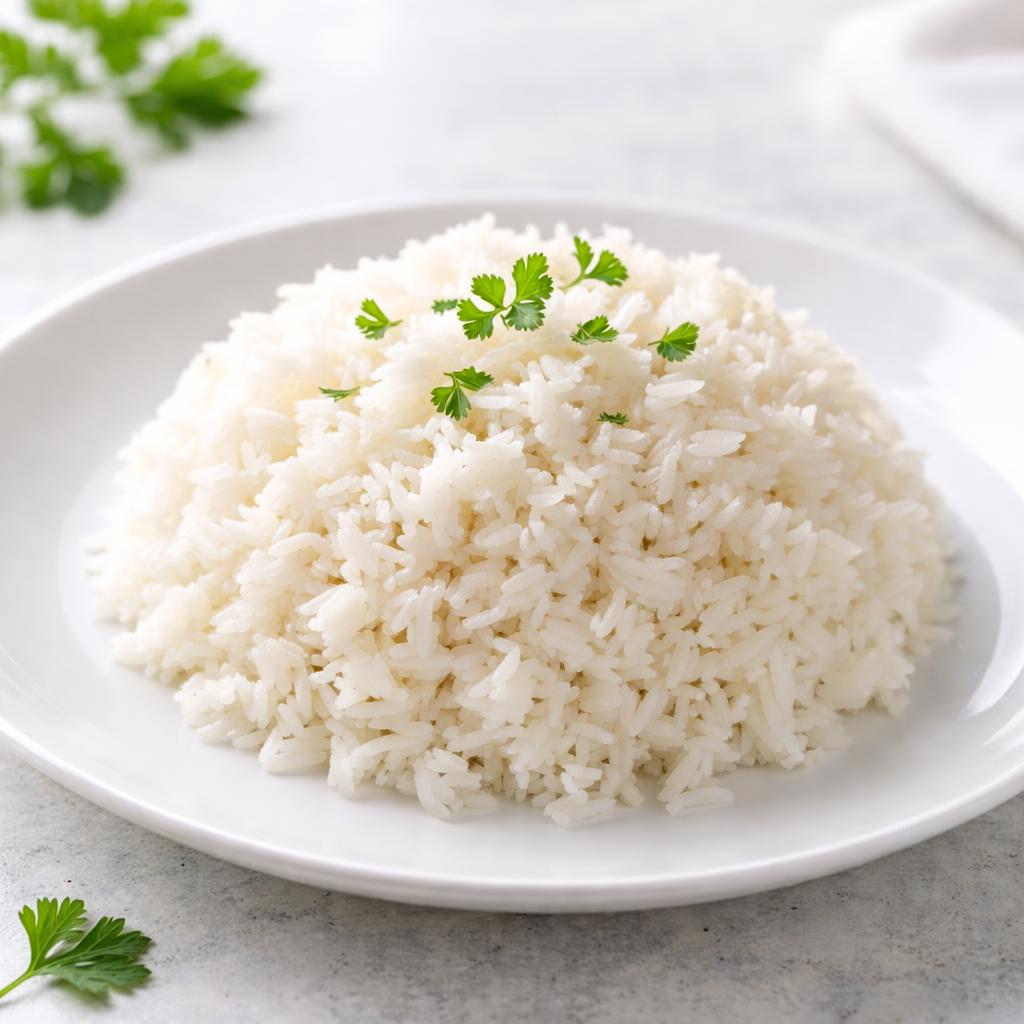
White Rice
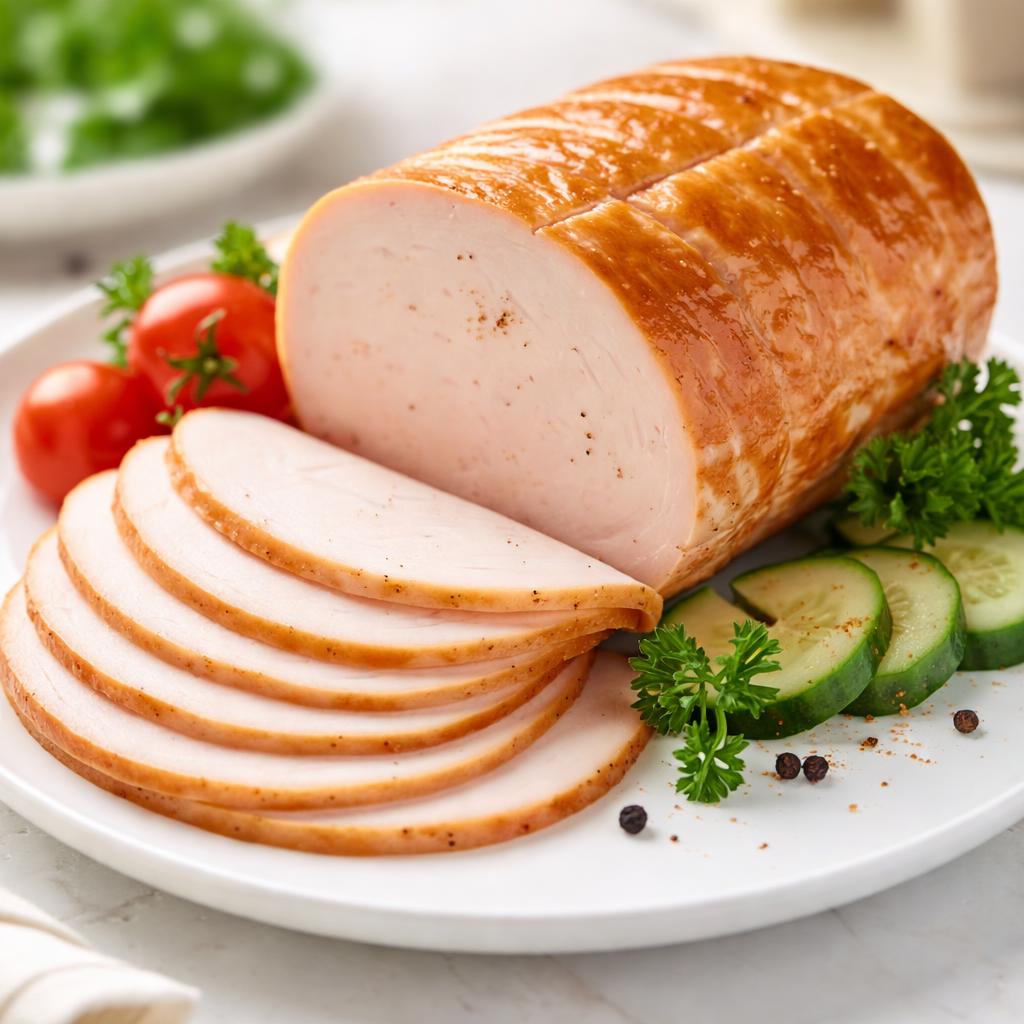
Chicken Ham
🎯 Quick Verdict
Chicken ham outperforms white rice in protein content (17g vs 2.6g per serving) and has fewer calories (120 vs 130 per serving). White rice, however, provides more carbohydrates and fiber, making it better for energy needs. Chicken ham is ideal for protein-rich diets, while white rice suits quick carb replenishment and vegan diets.

Smart Nutrition Tracking with SnapCalorie

📊 Nutritional Comparison
Macronutrients
| Nutrient | Food 1 | Food 2 | Winner |
|---|---|---|---|
| Calories | 130 | 120 | ✓ |
| Protein | 2.6g | 17g | ✓ |
| Carbs | 28g | 1g | ✓ |
| Fat | 0.3g | 6g | ✓ |
| Fiber | 0.4g | 0g | ✓ |
Vitamins & Minerals
| Nutrient | Food 1 | Food 2 | Winner |
|---|---|---|---|
| Vitamin B1 (Thiamine) | 0.1mg | 0.2mg | ✓ |
| Vitamin D | 0mcg | 1mcg | ✓ |
| Iron | 0.2mg | 1mg | ✓ |
🏆 Category Winners
Protein
Chicken ham contains approximately 6 times more protein per serving than white rice.
Fiber
White rice offers 0.4g of fiber, while chicken ham has none.
Calories
Chicken ham provides 10 fewer calories per serving, making it slightly more calorie-efficient.
Vitamins
Chicken ham supplies more vital nutrients including iron, vitamin D, and thiamine.
🥗 Diet Compatibility
Keto
Food 1: Not Compatible
Food 2: Compatible
Chicken ham is low-carb, whereas white rice is high in carbs (28g per serving).
Vegan
Food 1: Compatible
Food 2: Not Compatible
White rice is plant-based, while chicken ham is animal-derived.
Gluten Free
Food 1: Compatible
Food 2: Compatible
Neither food contains gluten.
Paleo
Food 1: Not Compatible
Food 2: Not Compatible
White rice is a processed grain and chicken ham is a processed meat, both against paleo principles.
Low Carb
Food 1: Not Compatible
Food 2: Compatible
Chicken ham contains just 1g of carbs, while white rice is high-carb at 28g per serving.
💪 Health Benefits Comparison
Food 1 Benefits
- Provides quick and efficient energy from carbohydrates
- Low in fat, making it suitable for low-fat diets
- Minimal fiber for gentle digestion in sensitive stomachs
Food 2 Benefits
- Rich in protein for muscle repair and maintenance
- Contains healthy fats for satiety and energy
- Provides essential nutrients like iron for blood health and vitamin D for bone strength
✅ The Bottom Line
Choose chicken ham for high protein, fewer calories, and critical vitamins, especially for low-carb or keto diets. Opt for white rice when you need quick energy and a vegan source of carbohydrates. Both foods have unique strengths depending on your dietary goals.
Choose Food 1 for: Energy before workouts, vegan diets, low-fat meals
Choose Food 2 for: Low-carb meals, muscle recovery, nutrient-dense snacks


