White Rice VS Chicken Grilled
A detailed nutritional comparison
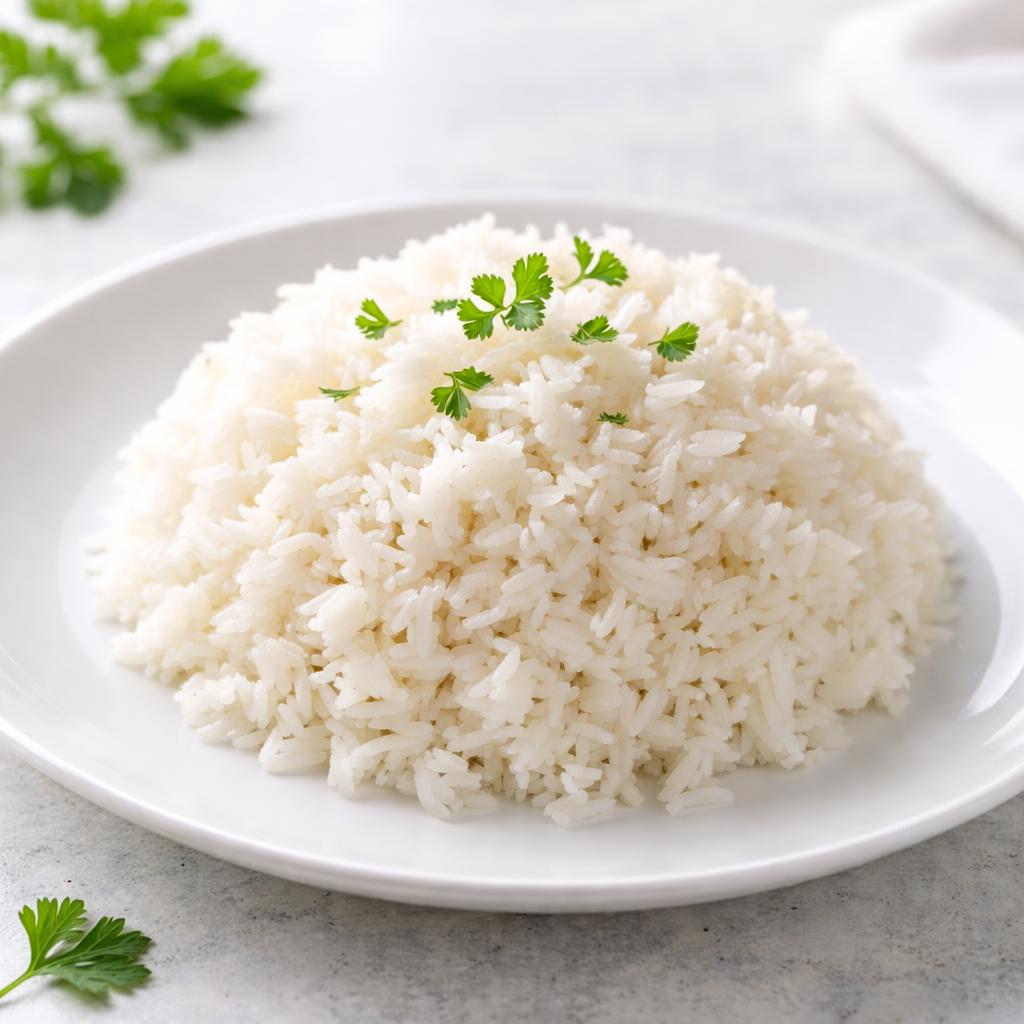
White Rice
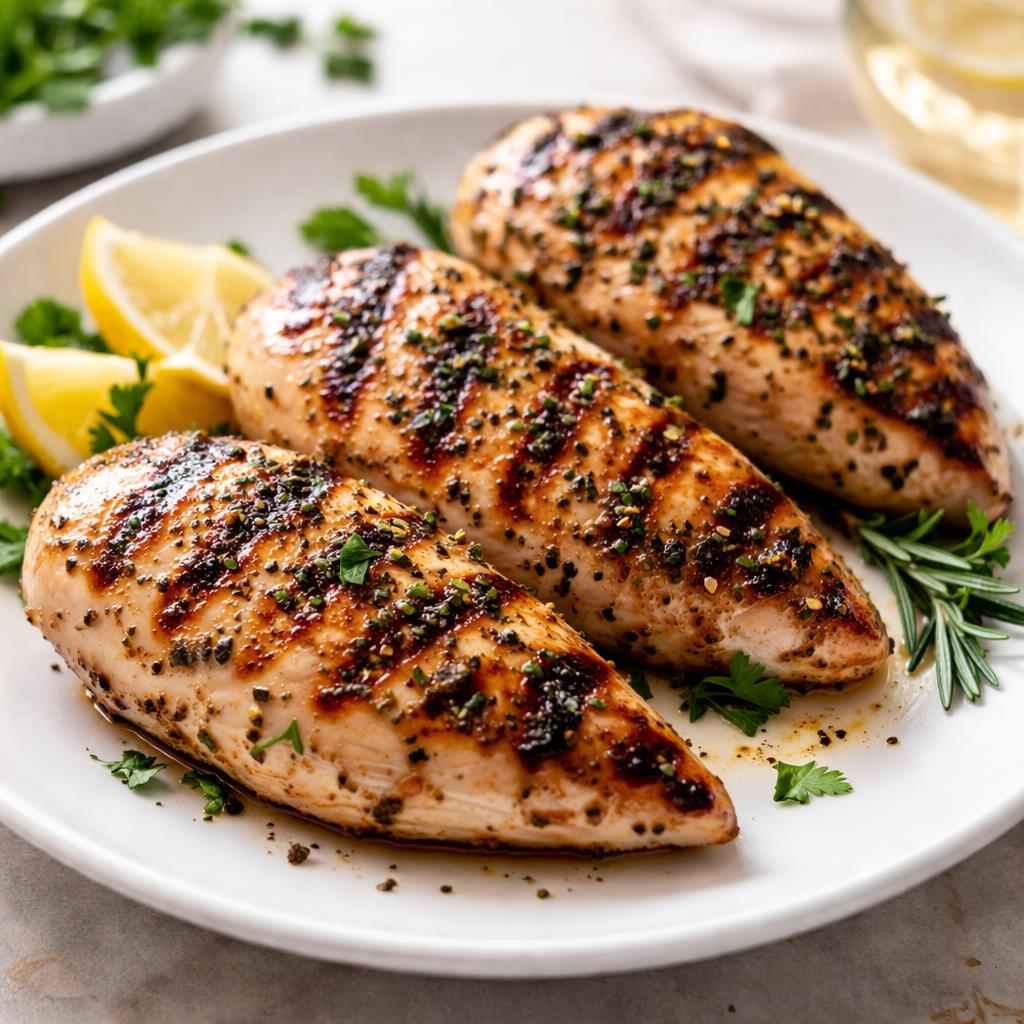
Chicken Grilled
🎯 Quick Verdict
Grilled chicken is higher in protein and lower in calories compared to white rice, making it more suitable for weight loss and muscle building diets. White rice provides more fiber and carbohydrates, making it ideal for energy-dense meals or replenishing glycogen stores after endurance activities.

Smart Nutrition Tracking with SnapCalorie

📊 Nutritional Comparison
Macronutrients
| Nutrient | Food 1 | Food 2 | Winner |
|---|---|---|---|
| Calories | 205 | 165 | ✓ |
| Protein | 4.3g | 31g | ✓ |
| Carbs | 45g | 0g | ✓ |
| Fat | 0.4g | 3.6g | ✓ |
| Fiber | 0.6g | 0g | ✓ |
Vitamins & Minerals
| Nutrient | Food 1 | Food 2 | Winner |
|---|---|---|---|
| Vitamin D | 0mcg | 0.1mcg | ✓ |
| Calcium | 10mg | 11mg | ✓ |
| Iron | 0.3mg | 1.1mg | ✓ |
🏆 Category Winners
Protein
Grilled chicken contains 31g of protein per serving, significantly higher than white rice's 4.3g.
Fiber
White rice contains 0.6g of fiber, while chicken contains none.
Calories
Grilled chicken provides 165 calories per serving, while white rice has 205 calories.
Vitamins
Chicken offers slightly higher amounts of Vitamin D, Calcium, and Iron compared to white rice.
🥗 Diet Compatibility
Keto
Food 1: Not Compatible
Food 2: Compatible
White rice is high-carbohydrate, while chicken has zero carbs.
Vegan
Food 1: Compatible
Food 2: Not Compatible
White rice is plant-based, but chicken is animal-based.
Gluten Free
Food 1: Compatible
Food 2: Compatible
Neither food contains gluten.
Paleo
Food 1: Not Compatible
Food 2: Compatible
White rice is not allowed on paleo diets, while chicken is highly compatible.
Low-Carb
Food 1: Not Compatible
Food 2: Compatible
White rice is high in carbs, while grilled chicken is carb-free.
💪 Health Benefits Comparison
Food 1 Benefits
- Provides quick, digestible carbohydrates for energy
- Low in fat, suitable for low-fat diets
- Source of simple starch for glycogen replenishment
Food 2 Benefits
- High in protein for muscle repair and growth
- Contains essential vitamins and minerals like Iron
- Low calorie density, ideal for weight management
✅ The Bottom Line
Grilled chicken is the better choice for protein intake, lower calories, and diets like keto, paleo, or low-carb. White rice is more suited for energy-dense meals, vegan diets, or carb-loading after endurance activities.
Choose Food 1 for: Energy replenishment, vegan diets, low-fat meals
Choose Food 2 for: Muscle building, weight management, keto/paleo diets


