White Rice VS Chia Seeds
A detailed nutritional comparison
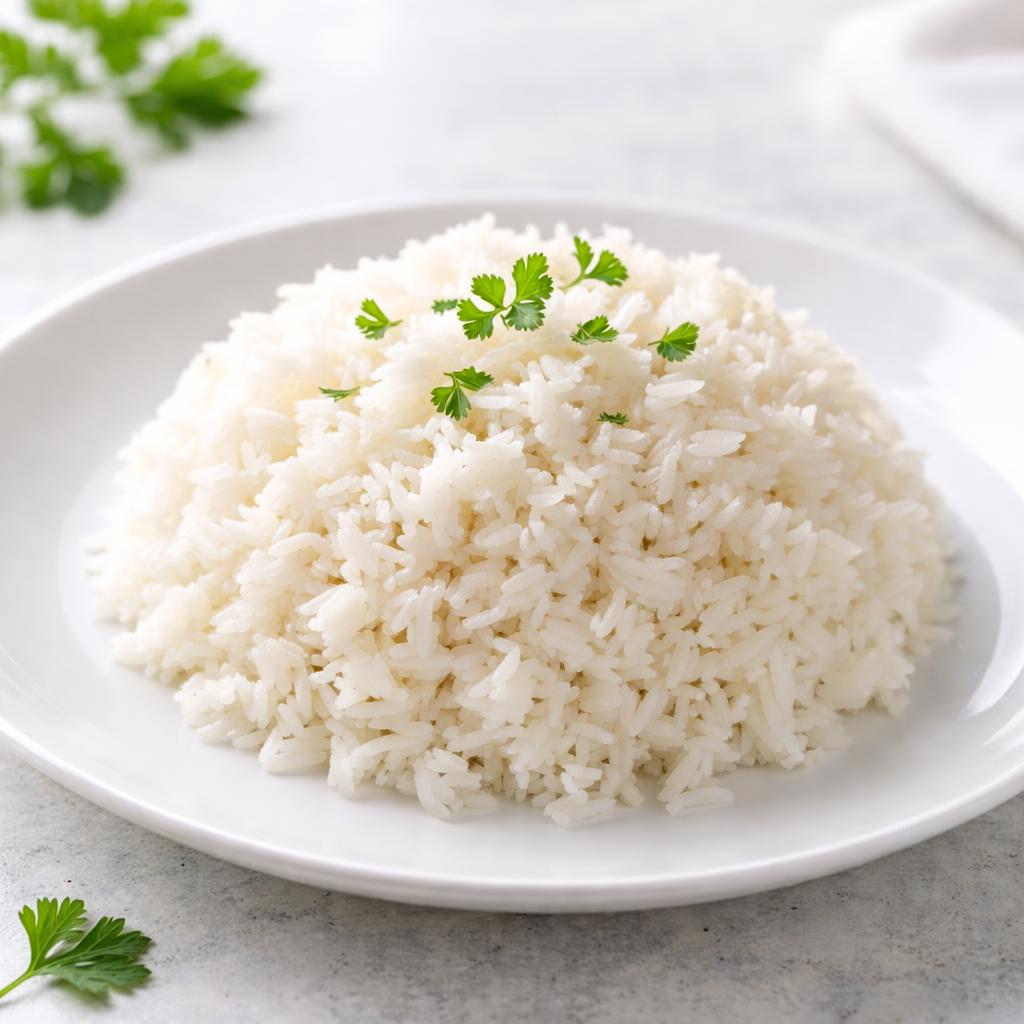
White Rice
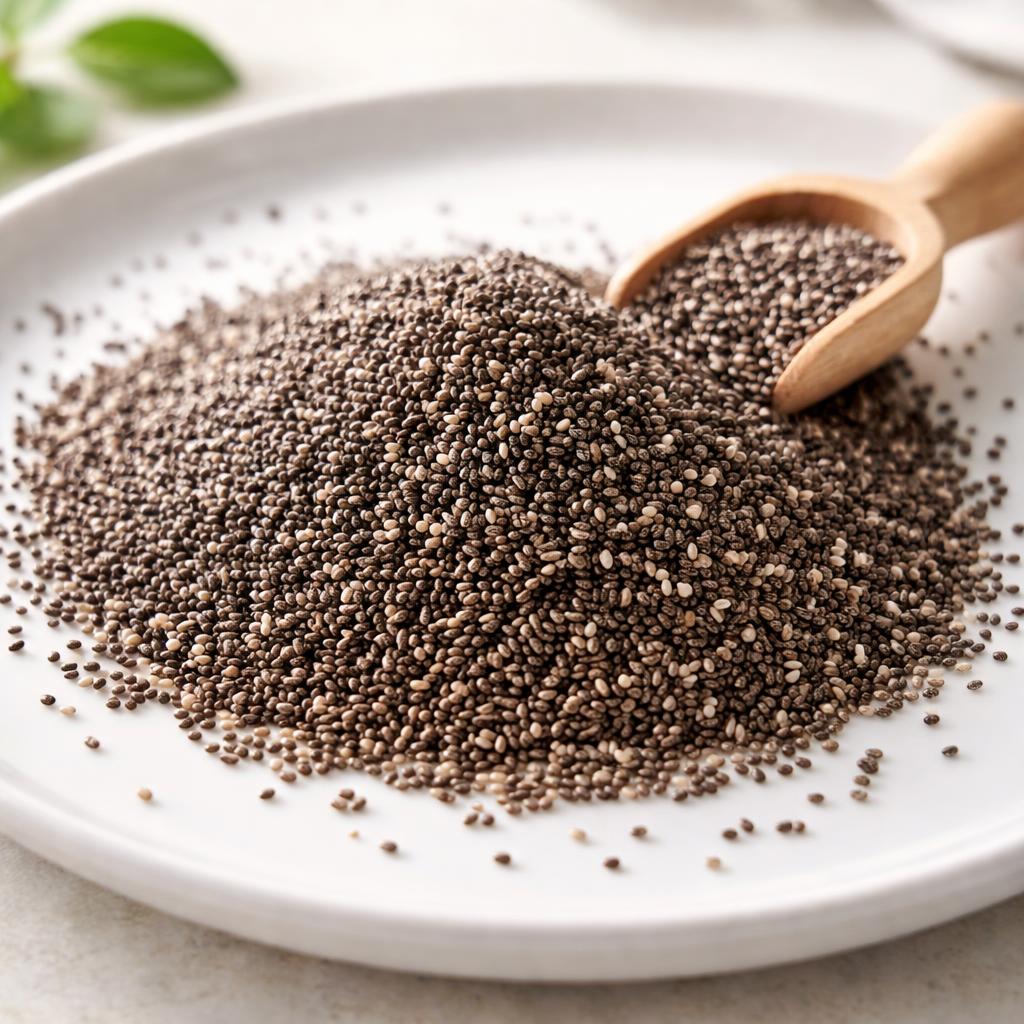
Chia Seeds
🎯 Quick Verdict
Chia seeds outperform white rice nutritionally due to their higher protein, fiber, and micronutrient content, making them ideal for boosting overall health. White rice, however, has fewer calories and is a quick source of energy, which makes it suitable for carb-loading or as a base for meals.

Smart Nutrition Tracking with SnapCalorie

📊 Nutritional Comparison
Macronutrients
| Nutrient | Food 1 | Food 2 | Winner |
|---|---|---|---|
| Calories | 206 (per cup cooked) | 137 (per ounce) | ✓ |
| Protein | 4.3g | 4.7g | ✓ |
| Carbs | 45g | 12g | ✓ |
| Fat | 0.4g | 9g | ✓ |
| Fiber | 0.6g | 10g | ✓ |
Vitamins & Minerals
| Nutrient | Food 1 | Food 2 | Winner |
|---|---|---|---|
| Vitamin D | 0mcg | 0mcg | − |
| Calcium | 16mg | 179mg | ✓ |
| Iron | 0.3mg | 2mg | ✓ |
| Magnesium | 24mg | 95mg | ✓ |
🏆 Category Winners
Protein
Chia seeds have slightly more protein per serving compared to white rice.
Fiber
Chia seeds provide 16x more fiber than white rice per serving, aiding digestion.
Calories
White rice contains fewer calories per serving, making it lower in energy density.
Vitamins
Chia seeds offer significantly higher levels of calcium, iron, and magnesium.
🥗 Diet Compatibility
Keto
Food 1: Not Compatible
Food 2: Compatible
Chia seeds are low in carbs (12g per serving), while white rice is carb-dense (45g per serving).
Vegan
Food 1: Compatible
Food 2: Compatible
Both foods are plant-based and suitable for vegan diets.
Gluten Free
Food 1: Compatible
Food 2: Compatible
Neither food contains gluten, making them safe for celiac and gluten-intolerant diets.
Paleo
Food 1: Not Compatible
Food 2: Compatible
White rice is excluded from paleo diets, whereas chia seeds are allowed as a natural food.
Low Carb
Food 1: Not Compatible
Food 2: Compatible
White rice is high-carb, while chia seeds are low in carbs.
💪 Health Benefits Comparison
Food 1 Benefits
- Quick source of energy from carbs
- Easy to digest and gentle on the stomach
- Can aid carb-loading for athletes
Food 2 Benefits
- High in fiber for digestive health
- Rich in omega-3 fatty acids for brain and heart health
- Excellent source of calcium for bone strength
- Loaded with antioxidants to combat oxidative stress
✅ The Bottom Line
Chia seeds are the nutritional powerhouse between the two, with high fiber, protein, and micronutrient density. Choose white rice for quick energy or carb-heavy meals, and opt for chia seeds if you want a nutrient-dense, heart-healthy food that supports digestion and overall well-being.
Choose Food 1 for: Quick-energy meals, carb-loading, easy-to-digest base for meals
Choose Food 2 for: Heart health, digestive health, nutrient density, low-carb diets


