White Rice VS Cheeseburger
A detailed nutritional comparison
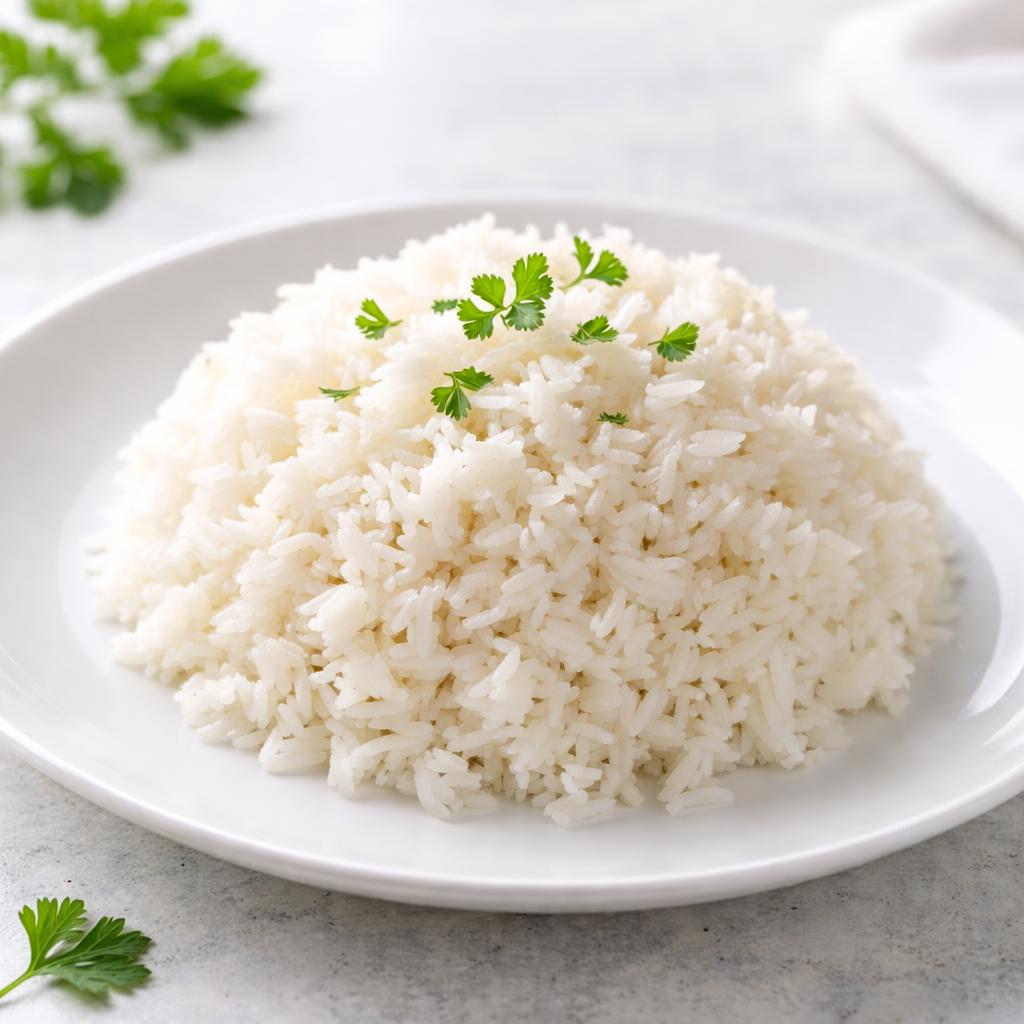
White Rice
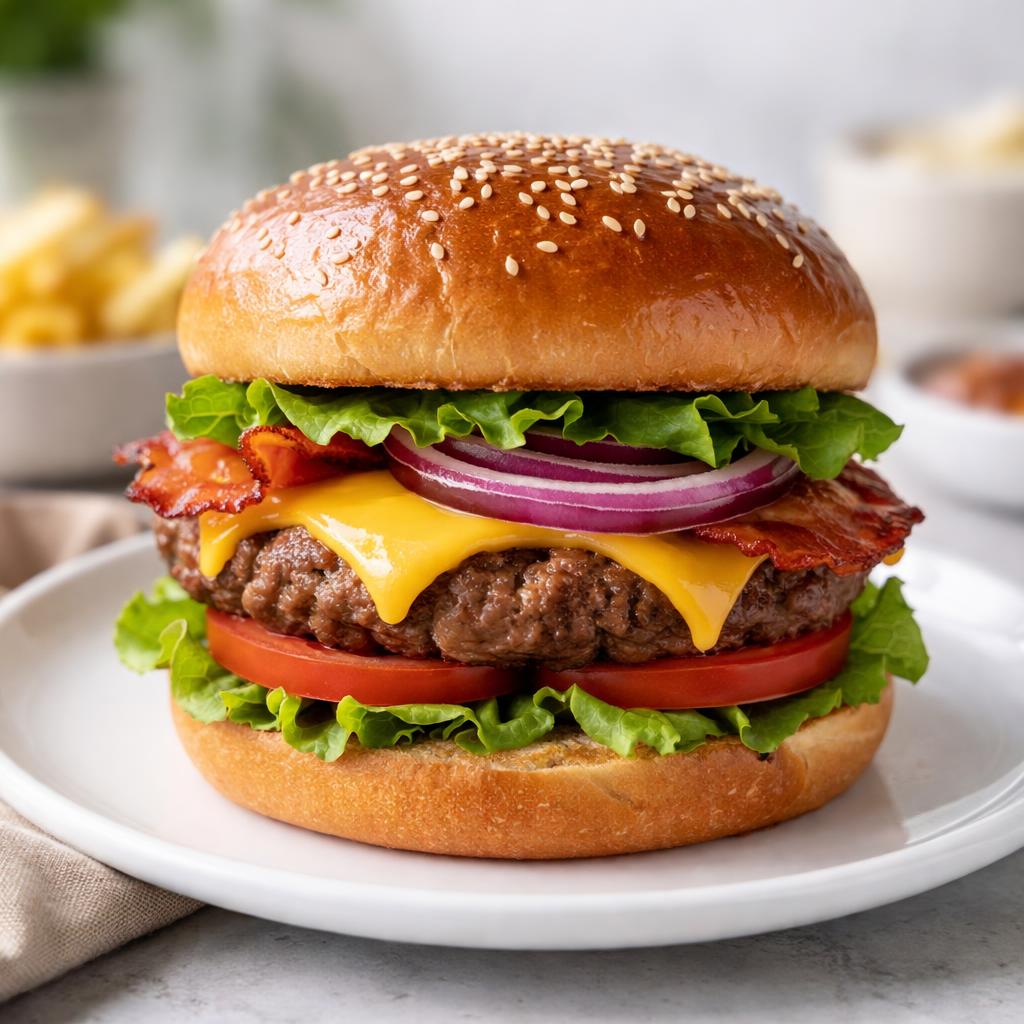
Cheeseburger
🎯 Quick Verdict
Cheeseburger is significantly higher in protein and fiber compared to white rice, making it a more nutrient-dense choice. However, white rice is far lower in calories and fat, making it better suited for diets focused on calorie control or as a simple carbohydrate source for energy. Both have distinct uses depending on dietary goals and preferences.

Smart Nutrition Tracking with SnapCalorie

📊 Nutritional Comparison
Macronutrients
| Nutrient | Food 1 | Food 2 | Winner |
|---|---|---|---|
| Calories | 206 per cup | 300 per serving | ✓ |
| Protein | 4.3g per cup | 17g per serving | ✓ |
| Carbs | 45g per cup | 32g per serving | ✓ |
| Fat | 0.4g per cup | 17g per serving | ✓ |
| Fiber | 0.6g per cup | 2g per serving | ✓ |
Vitamins & Minerals
| Nutrient | Food 1 | Food 2 | Winner |
|---|---|---|---|
| Vitamin A | 0% | 9% | ✓ |
| Vitamin C | 0% | 2% | ✓ |
| Calcium | 0mg | 150mg | ✓ |
| Iron | 0.3mg | 2mg | ✓ |
🏆 Category Winners
Protein
Cheeseburger contains over 3 times more protein than white rice per serving.
Fiber
Cheeseburger has more dietary fiber, aiding digestion.
Calories
White rice has 30% fewer calories per serving.
Vitamins
Cheeseburger offers superior vitamin A, calcium, and iron levels.
🥗 Diet Compatibility
Keto
Food 1: Not Compatible
Food 2: Partially Compatible
Cheeseburger can fit keto if the bun is omitted; white rice is too high in carbohydrates.
Vegan
Food 1: Compatible
Food 2: Not Compatible
White rice is plant-based, whereas cheeseburgers contain animal products.
Gluten Free
Food 1: Compatible
Food 2: Not Compatible
White rice is inherently gluten-free; cheeseburgers typically include a gluten-containing bun.
Paleo
Food 1: Not Compatible
Food 2: Partially Compatible
Cheeseburger could be paleo-friendly without the bun and processed cheese; rice is not allowed on paleo.
Low-Carb
Food 1: Not Compatible
Food 2: Partially Compatible
Cheeseburger, minus the bun, is lower in carbs than white rice.
💪 Health Benefits Comparison
Food 1 Benefits
- Low in fat for calorie-conscious diets
- Easy digestible carbohydrate for quick energy
- Gluten-free, suitable for individuals with gluten intolerance
Food 2 Benefits
- High protein content supports muscle growth and maintenance
- Contains essential vitamins like iron and calcium for bone health
- Fiber content aids digestion and satiety
✅ The Bottom Line
Choose white rice for simpler meals when you need a lower-calorie option or quick energy from carbohydrates. Opt for cheeseburger when you require a balanced meal with higher protein, fiber, and essential vitamins. Cheeseburger is better for nutrient density, but its higher calorie and fat content should be considered based on dietary goals.
Choose Food 1 for: Low-calorie diets, vegan-friendly meals, gluten intolerance
Choose Food 2 for: High-protein diets, muscle building, nutrient-dense meals


