White Rice VS Chai Latte
A detailed nutritional comparison
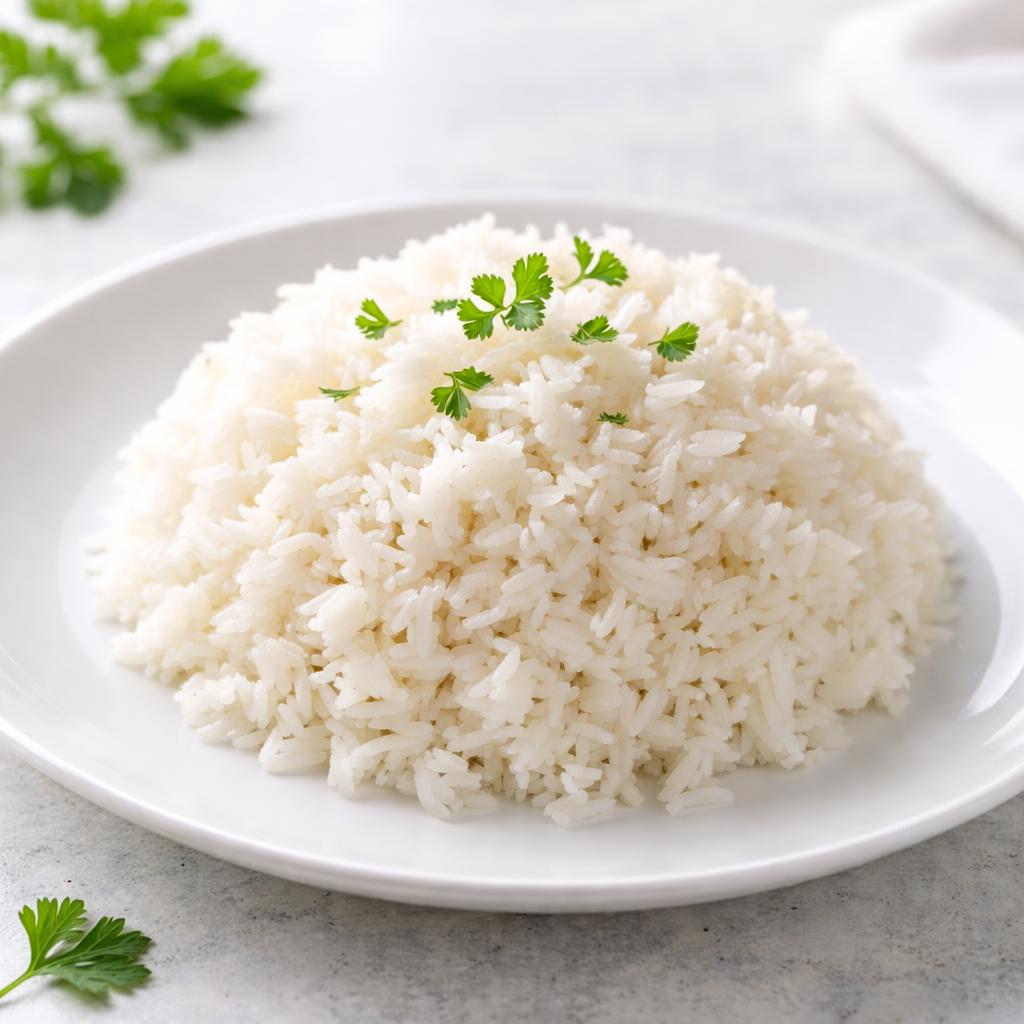
White Rice
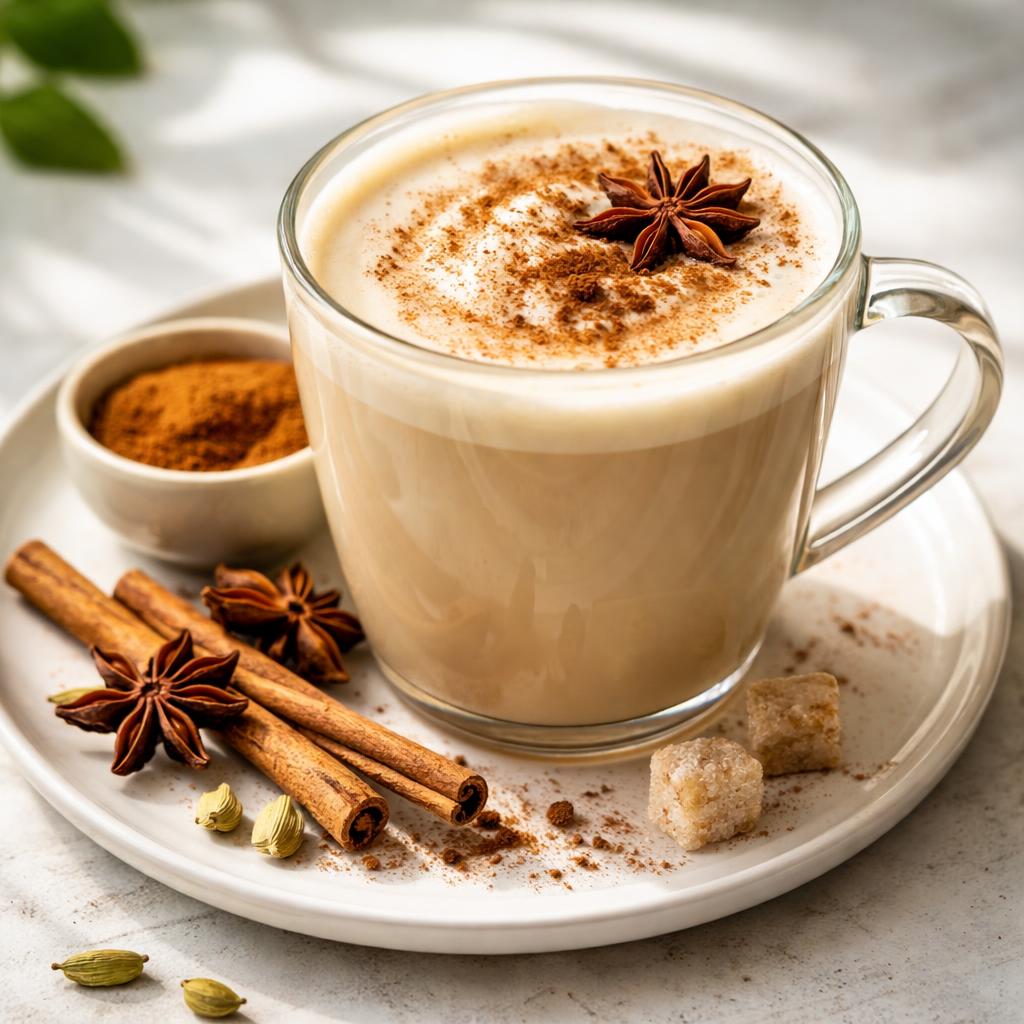
Chai Latte
🎯 Quick Verdict
White rice is lower in calories and fat compared to a chai latte, but it lacks fiber and protein. A chai latte provides moderate protein, fiber, and beneficial spices such as cinnamon, but is higher in calories due to sugar and milk content. Choose white rice for a simple carbohydrate source or chai latte for a flavorful, nutrient-dense beverage with added health benefits from spices.

Smart Nutrition Tracking with SnapCalorie

📊 Nutritional Comparison
Macronutrients
| Nutrient | Food 1 | Food 2 | Winner |
|---|---|---|---|
| Calories | 130 | 240 | ✓ |
| Protein | 2.5g | 6g | ✓ |
| Carbs | 28g | 35g | ✓ |
| Fat | 0.3g | 6g | ✓ |
| Fiber | 0.3g | 1g | ✓ |
Vitamins & Minerals
| Nutrient | Food 1 | Food 2 | Winner |
|---|---|---|---|
| Vitamin C | 0mg | 2mg | ✓ |
| Calcium | 10mg | 150mg | ✓ |
| Iron | 0.1mg | 0.5mg | ✓ |
🏆 Category Winners
Protein
Food2 provides more than double the protein of food1 per serving.
Fiber
Food2 contains more fiber, which supports digestion.
Calories
Food1 is lower in calories, making it a better choice for calorie-conscious diets.
Vitamins
Food2 offers higher amounts of calcium, vitamin C, and iron.
🥗 Diet Compatibility
Keto
Food 1: Not Compatible
Food 2: Not Compatible
Both are too high in carbohydrates to fit a ketogenic diet.
Vegan
Food 1: Compatible
Food 2: Not Compatible
Food1 is plant-based, while food2 may contain dairy.
Gluten Free
Food 1: Compatible
Food 2: Compatible
Neither food contains gluten.
Paleo
Food 1: Not Compatible
Food 2: Not Compatible
Food1 is processed, and food2 often contains dairy and sugar, making them incompatible with the paleo diet.
Low Carb
Food 1: Not Compatible
Food 2: Not Compatible
Both foods are relatively high in carbohydrates and do not align with low-carb diets.
💪 Health Benefits Comparison
Food 1 Benefits
- Quick source of energy due to high carbohydrate content
- Low in fat and suitable for low-fat diets
- Naturally gluten-free and safe for individuals with gluten sensitivity
Food 2 Benefits
- Contains spices like cinnamon and cardamom that may support digestion and reduce inflammation
- Provides calcium for bone health
- Offers moderate protein that can assist with satiety
✅ The Bottom Line
White rice is a better choice if you need a simple and quick carbohydrate source with fewer calories, while chai latte is a nutrient-dense option offering protein, fiber, and added health benefits due to its rich spice and milk content. Consider your dietary goals and preferences when choosing between them.
Choose Food 1 for: Low-calorie diets, gluten-free needs, quick energy boost
Choose Food 2 for: Bone health, nutrient density, satisfying beverages


