White Rice VS Cauliflower Soup
A detailed nutritional comparison
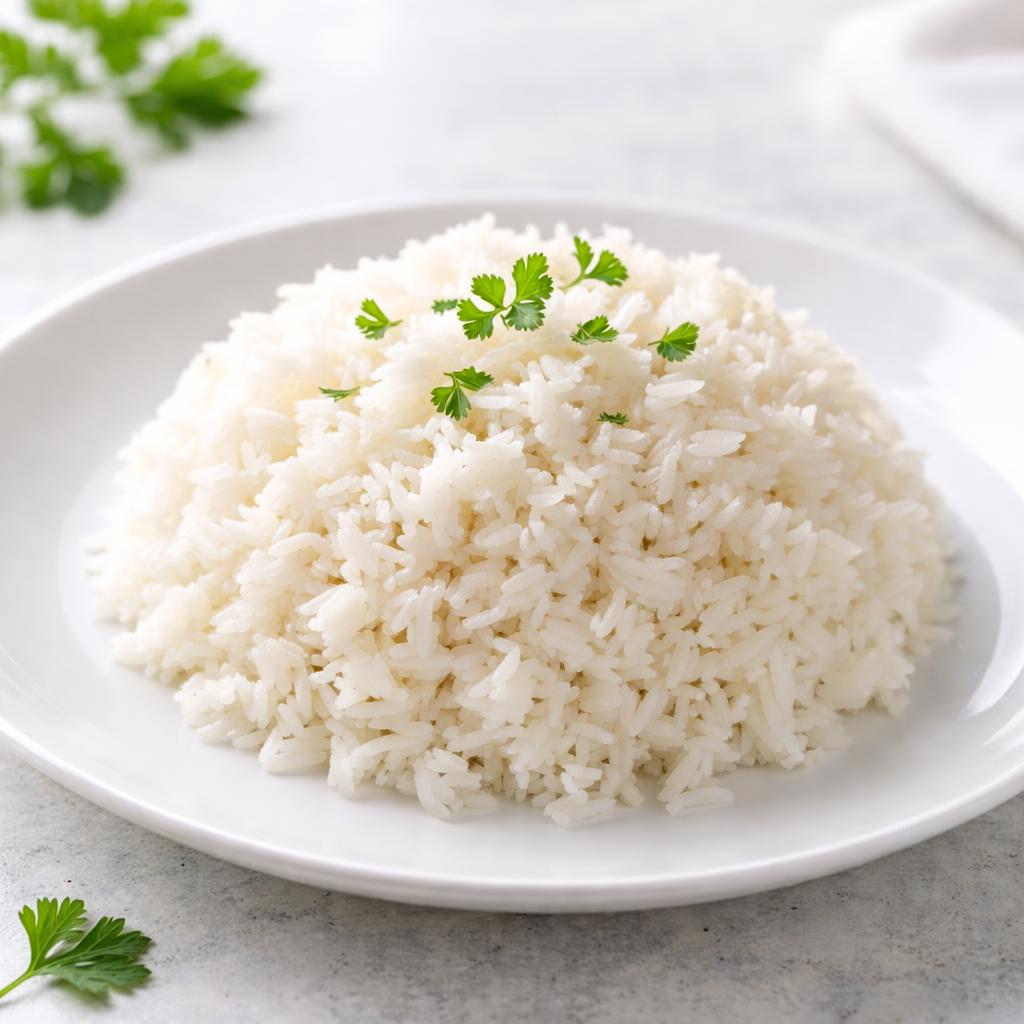
White Rice
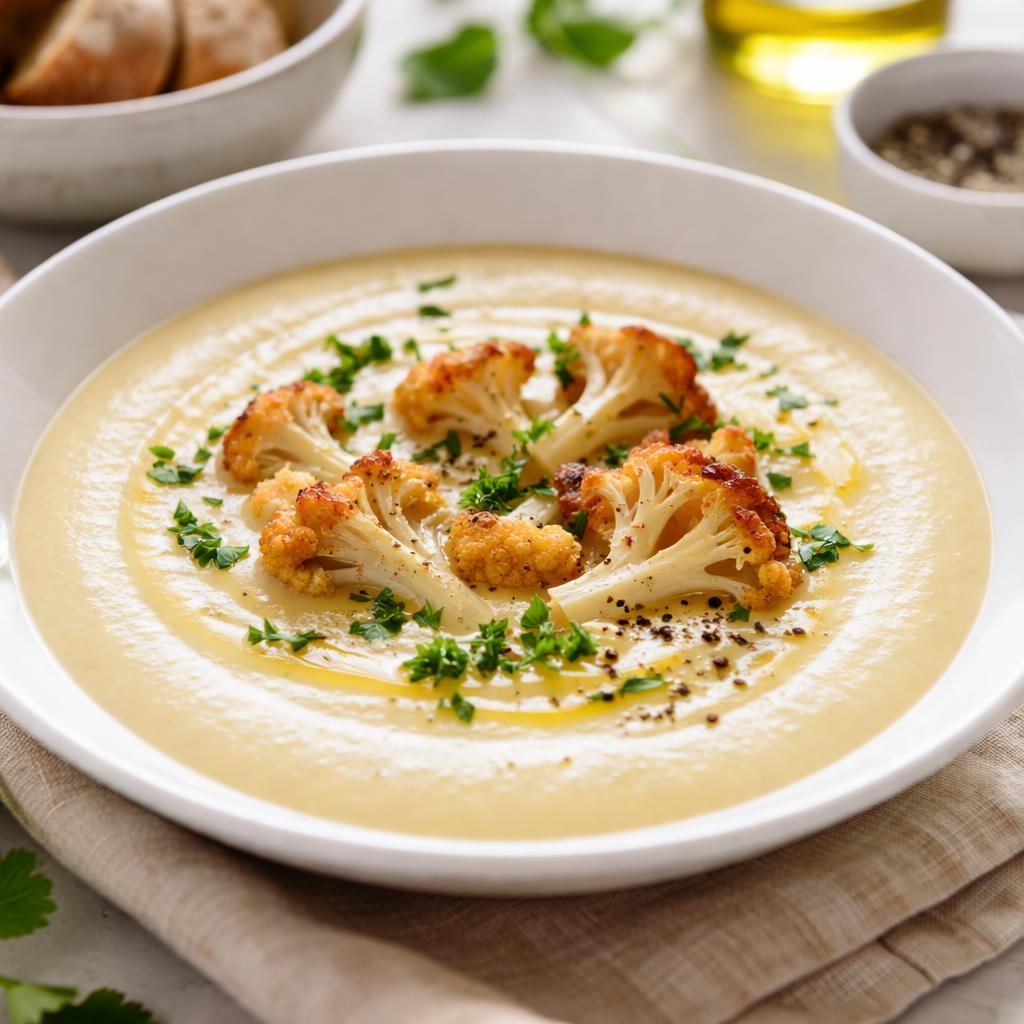
Cauliflower Soup
🎯 Quick Verdict
Cauliflower soup is more nutrient-dense than white rice, offering less calories, higher protein, and significantly more fiber. White rice is primarily a carbohydrate source, whereas cauliflower soup provides diverse nutrients and aligns better with weight management and low-carb diets.

Smart Nutrition Tracking with SnapCalorie

📊 Nutritional Comparison
Macronutrients
| Nutrient | Food 1 | Food 2 | Winner |
|---|---|---|---|
| Calories | 130 | 50 | ✓ |
| Protein | 2g | 4g | ✓ |
| Carbs | 28g | 7g | ✓ |
| Fat | 0g | 1.5g | ✓ |
| Fiber | 0.3g | 3g | ✓ |
Vitamins & Minerals
| Nutrient | Food 1 | Food 2 | Winner |
|---|---|---|---|
| Vitamin C | 0mg | 35mg | ✓ |
| Calcium | 10mg | 20mg | ✓ |
| Iron | 1mg | 0.5mg | ✓ |
| Potassium | 25mg | 300mg | ✓ |
🏆 Category Winners
Protein
Cauliflower soup contains double the protein per serving compared to white rice.
Fiber
Cauliflower soup offers 10 times more fiber than white rice.
Calories
Cauliflower soup has over 60% fewer calories than white rice.
Vitamins
Cauliflower soup is rich in Vitamin C and potassium, whereas white rice has minimal micronutrients.
🥗 Diet Compatibility
Keto
Food 1: Not Compatible
Food 2: Compatible
White rice is high in carbs (28g per serving), while cauliflower soup is low-carb (7g).
Vegan
Food 1: Compatible
Food 2: Compatible
Both foods are plant-based.
Gluten Free
Food 1: Compatible
Food 2: Compatible
Neither food contains gluten.
Paleo
Food 1: Not Compatible
Food 2: Compatible
White rice is not paleo-friendly since it's a grain, whereas cauliflower soup aligns with paleo guidelines.
Low Carb
Food 1: Not Compatible
Food 2: Compatible
White rice is high-carb, whereas cauliflower soup is significantly lower in carbs.
💪 Health Benefits Comparison
Food 1 Benefits
- Quick energy source with fast-digesting carbohydrates
- Low fat content
- Versatility in meal prep as a base for various dishes
Food 2 Benefits
- High in fiber to support digestion and satiety
- Rich in Vitamin C for immune system support
- Low-calorie and nutrient-dense, ideal for weight management
- Contains potassium for muscle and heart health
✅ The Bottom Line
Cauliflower soup is a more nutrient-dense option compared to white rice, offering higher fiber, protein, and vitamins with fewer calories. White rice serves well as an energy-boosting carbohydrate but lacks fiber and key nutrients. Choose cauliflower soup for weight loss, low-carb diets, and overall nutrition, while white rice is best for high-energy needs or as a meal base.
Choose Food 1 for: Quick energy, sports diets, complementing flavorful dishes
Choose Food 2 for: Weight management, low-carb diets, overall nutrient density


