White Rice VS Cake
A detailed nutritional comparison
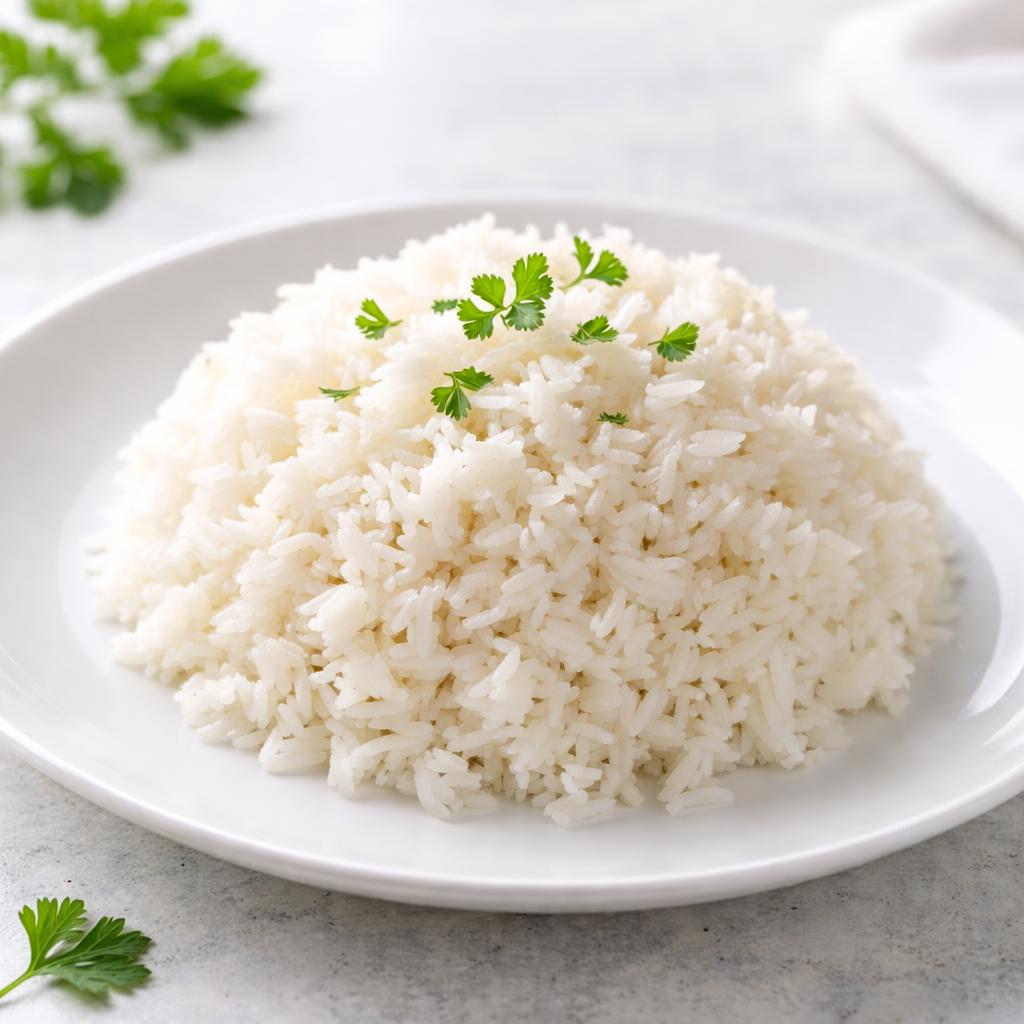
White Rice
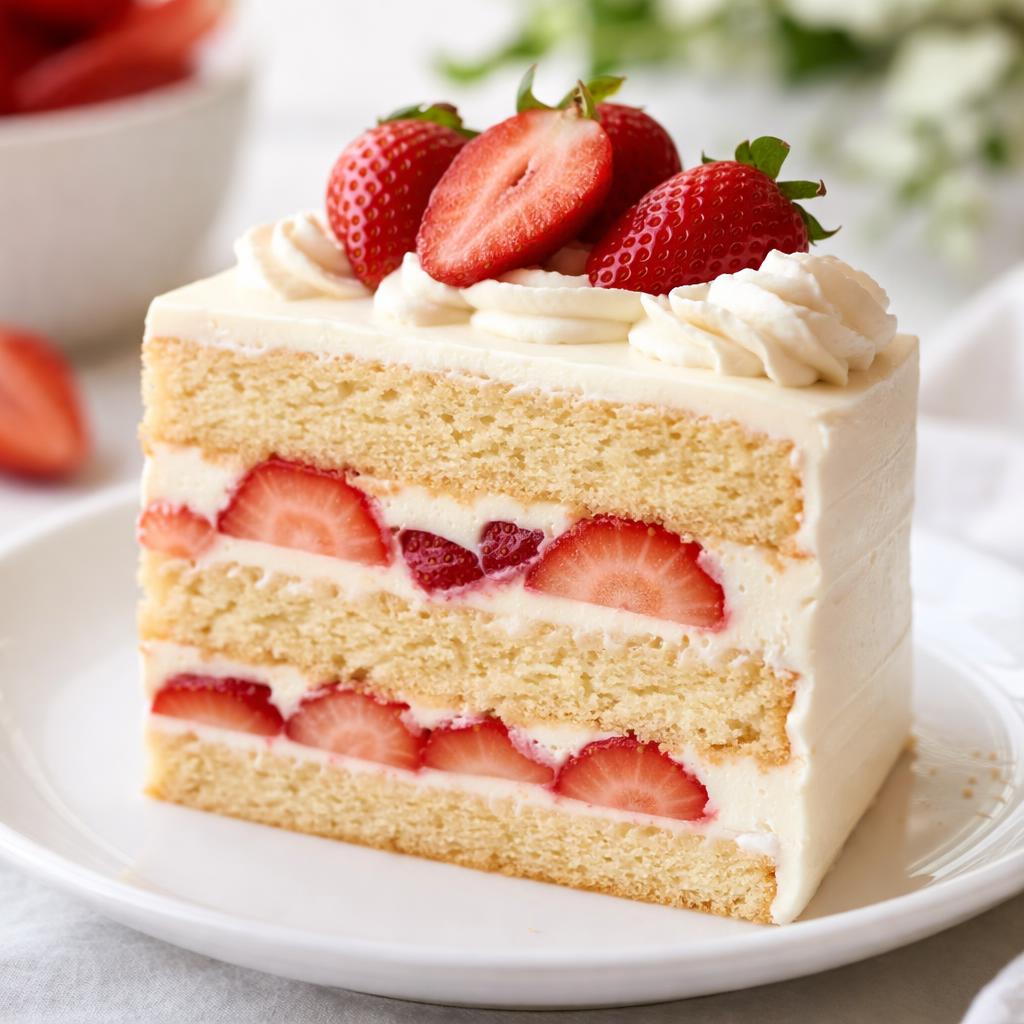
Cake
🎯 Quick Verdict
White rice is a simple, lower-calorie option with fewer added ingredients that offers small amounts of protein and fiber while being gluten-free and versatile for meals. Cake, while higher in calories, provides energy and occasional indulgence but is significantly high in sugars and fat, making it less compatible with many diets.

Smart Nutrition Tracking with SnapCalorie

📊 Nutritional Comparison
Macronutrients
| Nutrient | Food 1 | Food 2 | Winner |
|---|---|---|---|
| Calories | 205 | 250 | ✓ |
| Protein | 4.2g | 2g | ✓ |
| Carbs | 44g | 37g | ✓ |
| Fat | 0.4g | 10g | ✓ |
| Fiber | 0.6g | 0.2g | ✓ |
Vitamins & Minerals
| Nutrient | Food 1 | Food 2 | Winner |
|---|---|---|---|
| Vitamin D | 0mcg | 5mcg | ✓ |
| Calcium | 9mg | 150mg | ✓ |
| Iron | 0.6mg | 0.8mg | ✓ |
🏆 Category Winners
Protein
White rice offers over double the protein per serving compared to cake.
Fiber
White rice contains 3 times the fiber of cake.
Calories
White rice has 20% fewer calories per 1-cup serving.
Vitamins
Cake provides more Vitamin D, calcium, and iron per serving.
🥗 Diet Compatibility
Keto
Food 1: Not compatible
Food 2: Not compatible
Both are high-carb foods.
Vegan
Food 1: Compatible
Food 2: Not compatible
White rice is plant-based, while cake often includes non-vegan ingredients like eggs or dairy.
Gluten Free
Food 1: Compatible
Food 2: Not compatible
White rice is naturally gluten-free, whereas most cakes contain wheat flour.
Paleo
Food 1: Not compatible
Food 2: Not compatible
Neither fits paleo guidelines due to processed ingredients and high carb content.
Low-Carb
Food 1: Not compatible
Food 2: Not compatible
Both foods exceed low-carb limits with over 30g of carbs per serving.
💪 Health Benefits Comparison
Food 1 Benefits
- High in carbs for quick energy.
- Naturally gluten-free for easier digestion.
- Low in fat for heart health.
Food 2 Benefits
- Provides a quick energy boost due to sugar content.
- Rich in calcium for bone support (depending on recipes).
- Offers indulgence and enjoyment, supporting mental health in moderation.
✅ The Bottom Line
White rice is a better choice for balanced meals, providing modest protein and fiber at lower calories. Cake, while richer in taste and sweetness, is primarily suited for occasional treats due to its high sugar, fat, and calorie content.
Choose Food 1 for: Everyday meals, gluten-free diets, energy boost without excessive calories.
Choose Food 2 for: Desserts, celebrations, occasional indulgence and energy spikes.


