White Rice VS Cabbage Salad
A detailed nutritional comparison
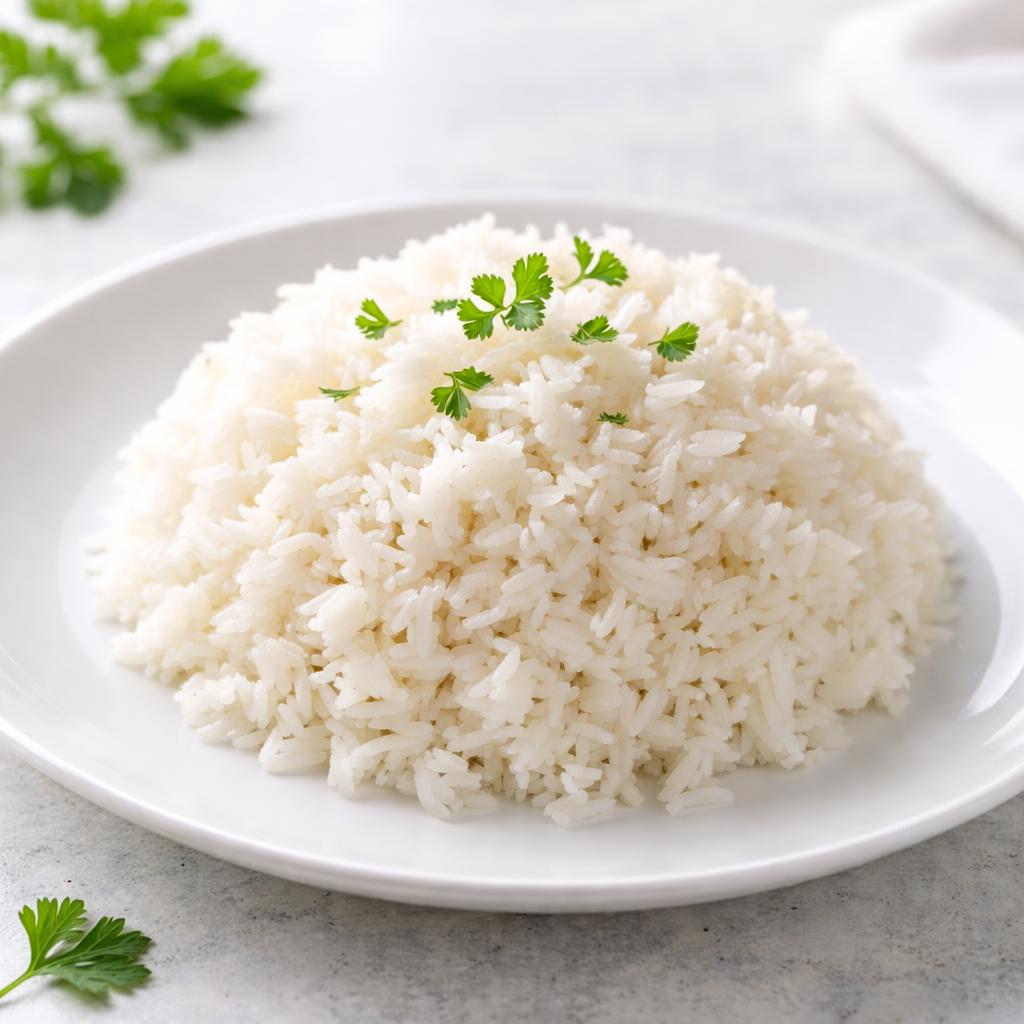
White Rice
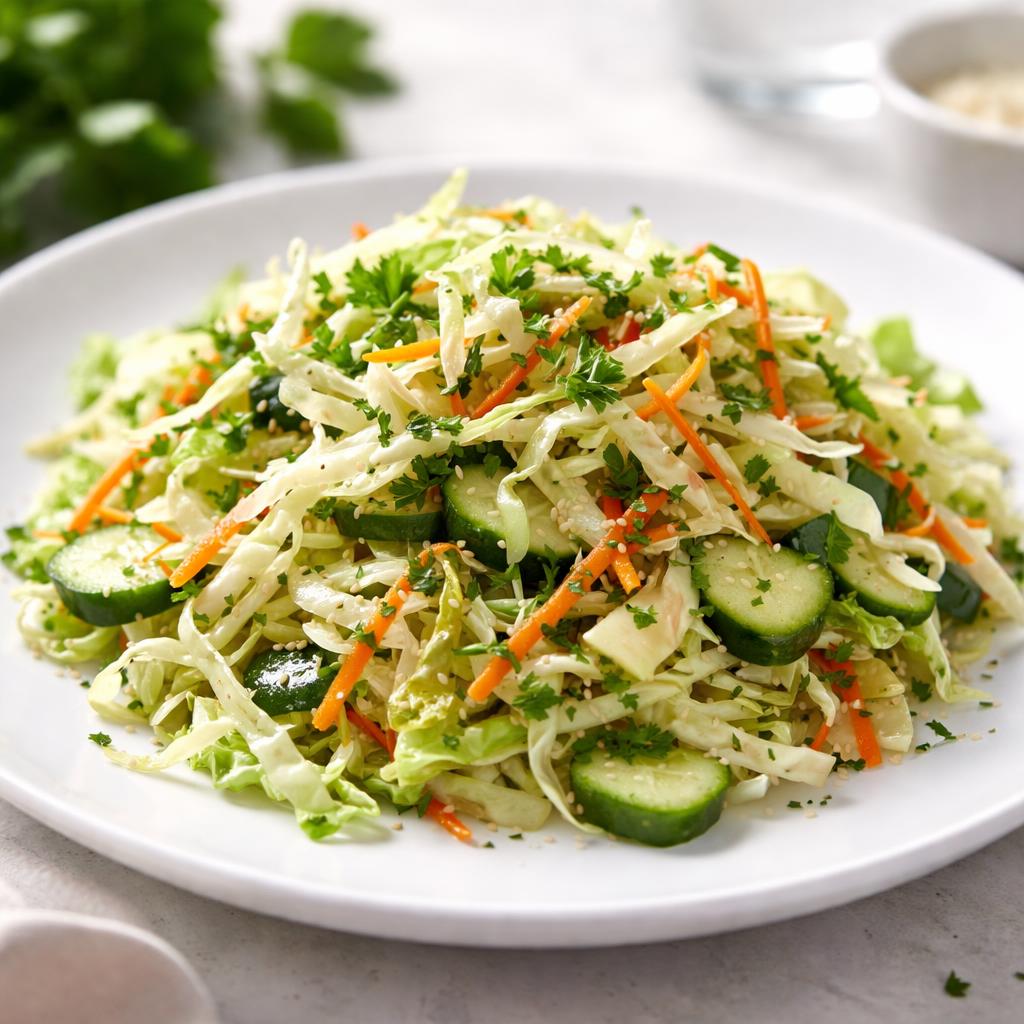
Cabbage Salad
🎯 Quick Verdict
Cabbage salad is a lower-calorie, higher-fiber, and more nutrient-dense option compared to white rice, which is higher in carbohydrates and provides quick energy. White rice suits active individuals needing energy boosts, while cabbage salad is better for weight loss and overall health due to its vitamins and antioxidants.

Smart Nutrition Tracking with SnapCalorie

📊 Nutritional Comparison
Macronutrients
| Nutrient | Food 1 | Food 2 | Winner |
|---|---|---|---|
| Calories | 206 kcal (1 cup cooked) | 50 kcal (1 cup raw) | ✓ |
| Protein | 4.25g | 1.25g | − |
| Carbs | 44.5g | 11.3g | ✓ |
| Fat | 0.44g | 0.24g | ✓ |
| Fiber | 0.6g | 2.5g | ✓ |
Vitamins & Minerals
| Nutrient | Food 1 | Food 2 | Winner |
|---|---|---|---|
| Vitamin C | 0mg | 32mg (36% DV) | ✓ |
| Vitamin K | 0.2mcg | 67mcg (56% DV) | ✓ |
| Vitamin D | 0mcg | 0mcg | − |
| Calcium | 16mg | 35mg | ✓ |
| Iron | 0.53mg | 0.5mg | ✓ |
🏆 Category Winners
Protein
Both foods are low in protein, providing 4.25g and 1.25g respectively.
Fiber
Cabbage salad has significantly more fiber (2.5g vs 0.6g).
Calories
Cabbage salad contains 76% fewer calories per serving.
Vitamins
Cabbage salad is richer in Vitamin C and Vitamin K, making it more nutrient-dense.
🥗 Diet Compatibility
Keto
Food 1: Not Compatible
Food 2: Compatible
Cabbage salad is low in carbs (11.3g per serving), fitting keto guidelines.
Vegan
Food 1: Compatible
Food 2: Compatible
Both foods are plant-based.
Gluten Free
Food 1: Compatible
Food 2: Compatible
Neither contains gluten.
Paleo
Food 1: Not Compatible
Food 2: Compatible
White rice is excluded from paleo diets, while cabbage meets paleo guidelines.
Low Carb
Food 1: Not Compatible
Food 2: Compatible
Cabbage contains far fewer carbs (11.3g) than white rice (44.5g).
💪 Health Benefits Comparison
Food 1 Benefits
- Provides quick energy due to high carbohydrate content
- Gentle on digestion when cooked without additives
- A versatile staple for pairing with various dishes
Food 2 Benefits
- Rich in Vitamin C to boost immunity
- High fiber content supports digestion
- Contains antioxidants for cellular health
- Low in calories, aiding weight management
✅ The Bottom Line
Cabbage salad is the better choice for weight loss, nutrient density, and overall health due to its fiber and vitamins. White rice is ideal for active individuals, quick energy, or pairing with protein-rich foods. Choose based on your specific dietary needs and activity level.
Choose Food 1 for: Quick energy, athletes, versatile meal base
Choose Food 2 for: Weight loss, digestive health, nutrient density


