White Rice VS Butter Chicken
A detailed nutritional comparison
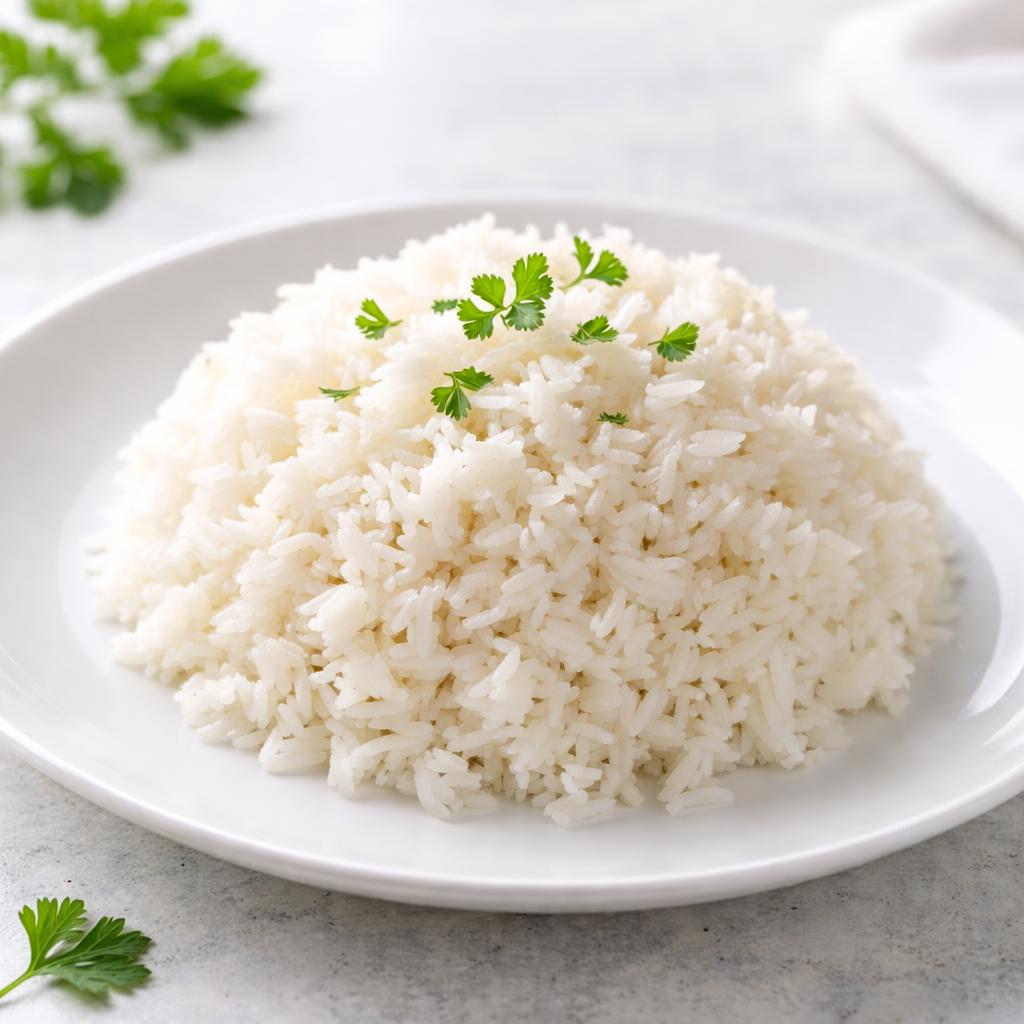
White Rice
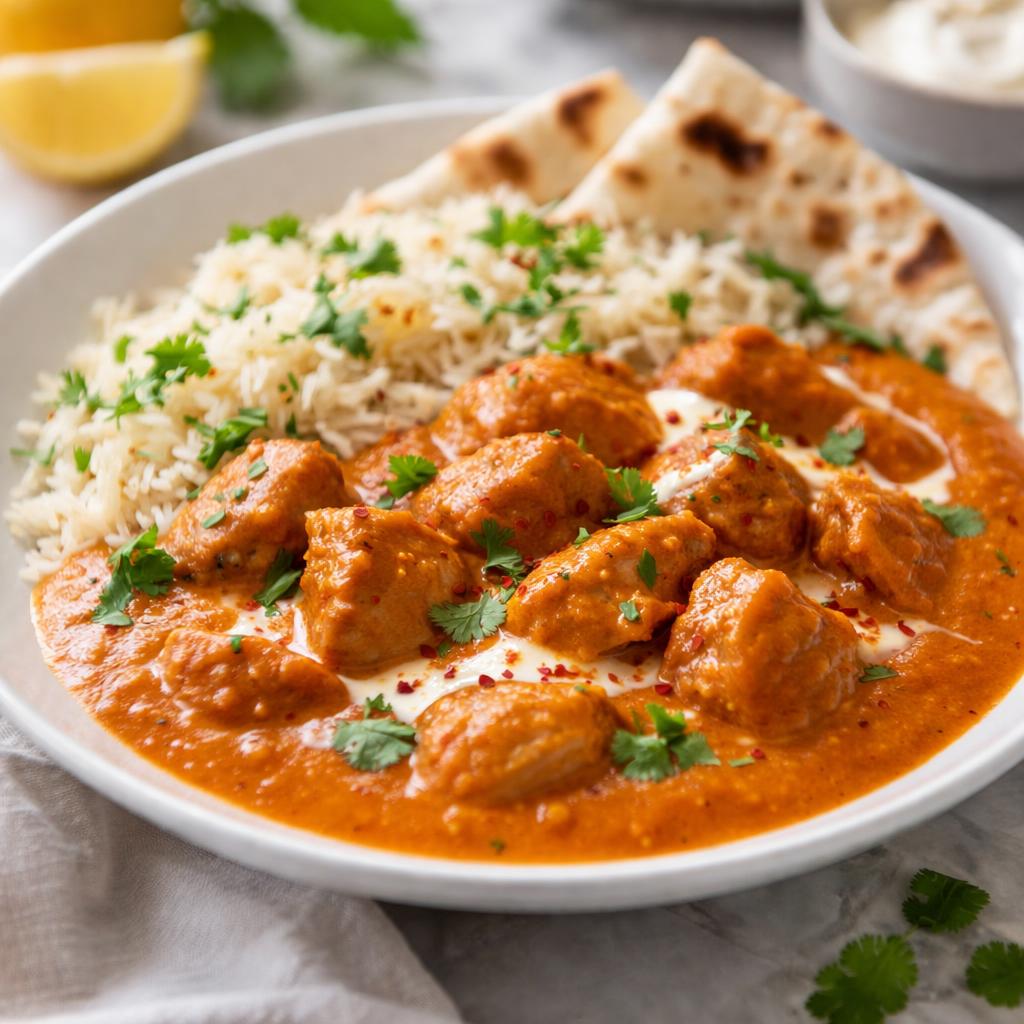
Butter Chicken
🎯 Quick Verdict
Butter chicken is significantly higher in protein due to the chicken and sauce base, but also higher in calories and fat compared to white rice. White rice has fewer calories and slightly more fiber, making it a good choice as a light, carb-rich side dish, but lacks the protein and vitamins found in butter chicken. Use butter chicken for a hearty, nutrient-dense meal, while white rice serves as a complement in balanced diets or for lighter fare.

Smart Nutrition Tracking with SnapCalorie

📊 Nutritional Comparison
Macronutrients
| Nutrient | Food 1 | Food 2 | Winner |
|---|---|---|---|
| Calories | 130 | 300 | ✓ |
| Protein | 2g | 20g | ✓ |
| Carbs | 28g | 10g | ✓ |
| Fat | 0.5g | 23g | ✓ |
| Fiber | 0.5g | 0g | ✓ |
Vitamins & Minerals
| Nutrient | Food 1 | Food 2 | Winner |
|---|---|---|---|
| Vitamin D | 0mcg | 1mcg | ✓ |
| Calcium | 10mg | 150mg | ✓ |
| Iron | 0.2mg | 2mg | ✓ |
🏆 Category Winners
Protein
Butter chicken has 10x more protein than white rice, primarily due to the chicken base.
Fiber
White rice contains a small amount of fiber, while butter chicken lacks it.
Calories
White rice has less than half the calories of butter chicken, making it lighter.
🥗 Diet Compatibility
Keto
Food 1: Not Compatible
Food 2: Compatible
Butter chicken is low in carbs (10g per serving), while white rice is high-carb.
Vegan
Food 1: Compatible
Food 2: Not Compatible
White rice is plant-based; butter chicken contains animal products.
Gluten Free
Food 1: Compatible
Food 2: Compatible
Neither food contains gluten.
Paleo
Food 1: Not Compatible
Food 2: Compatible
Butter chicken aligns better due to its natural protein and fat content.
Low-Carb
Food 1: Not Compatible
Food 2: Compatible
Butter chicken is low in carbs (10g), whereas white rice is high-carb (28g).
💪 Health Benefits Comparison
Food 1 Benefits
- Low in fat, making it a heart-friendly carb source
- Provides quick digestible energy for physical activity
- Naturally gluten-free for sensitive diets
Food 2 Benefits
- High in protein for muscle repair and maintenance
- Rich in vitamins like iron and calcium for blood health and bone health
- Contains healthy fats that support satiety and hormone function
✅ The Bottom Line
Choose butter chicken for a protein-rich, nutrient-dense meal that fits keto or high-protein diets. Opt for white rice as a simple, low-calorie side, best paired with complementary proteins and fiber-rich foods for balance.
Choose Food 1 for: Light meals, energy-rich side dish, vegan/gluten-free diets
Choose Food 2 for: High-protein meals, keto/paleo diets, nutrient-dense main dish


