White Rice VS Butter
A detailed nutritional comparison
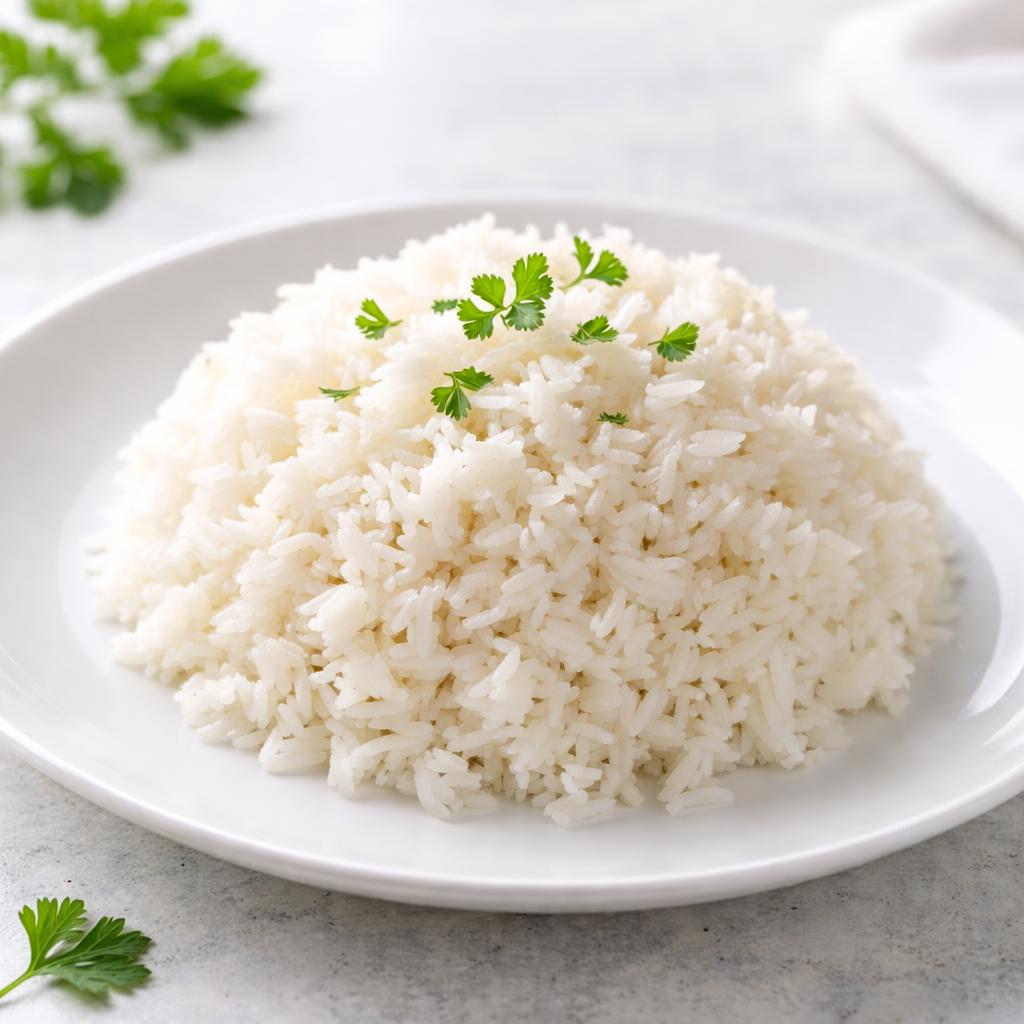
White Rice
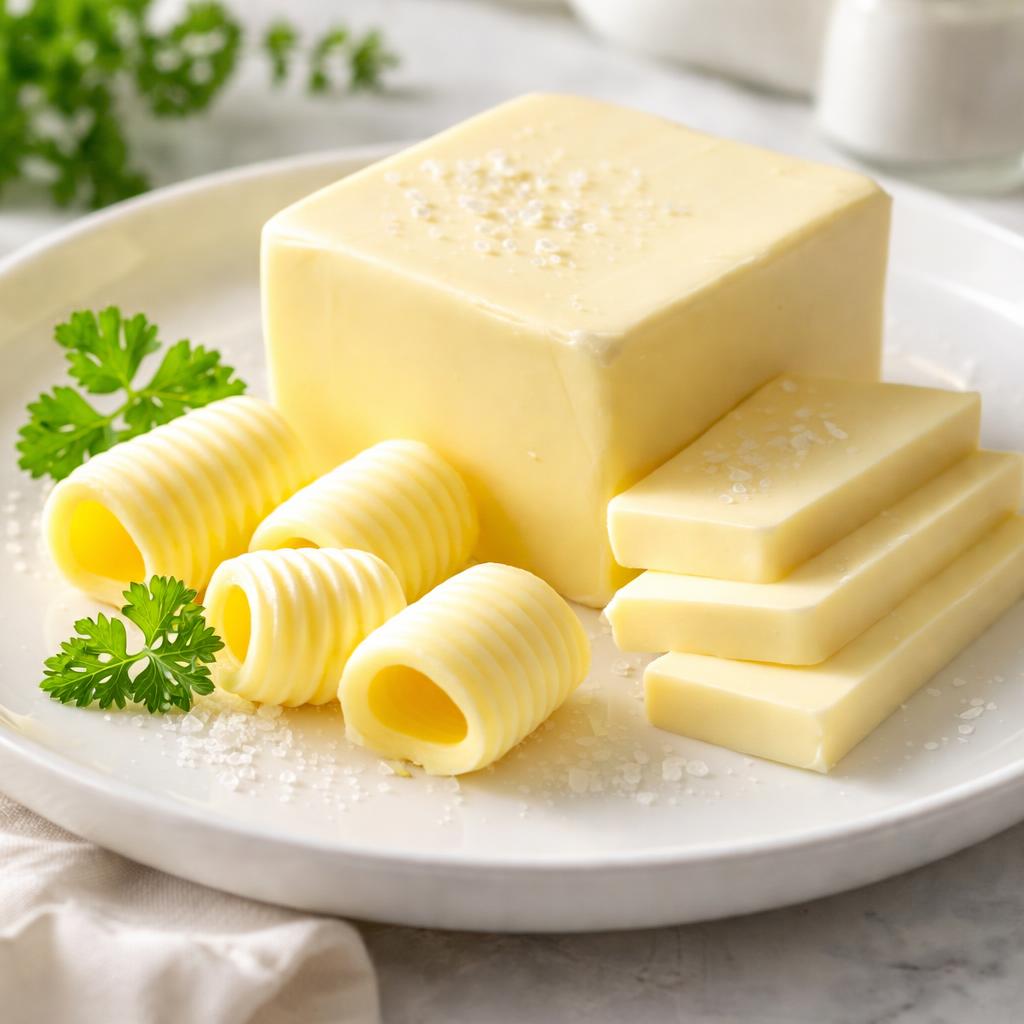
Butter
🎯 Quick Verdict
White rice and butter serve vastly different dietary purposes. White rice provides more protein and fiber, with significantly fewer calories, making it a better option for energy and weight management. Butter, on the other hand, is calorie-dense and provides healthy fats, suitable for keto or high-fat diets and adding flavor to meals.

Smart Nutrition Tracking with SnapCalorie

📊 Nutritional Comparison
Macronutrients
| Nutrient | Food 1 | Food 2 | Winner |
|---|---|---|---|
| Calories | 206 | 102 | ✓ |
| Protein | 4.3g | < 0.1g | ✓ |
| Carbs | 44.5g | 0g | ✓ |
| Fat | 0.4g | 11.5g | ✓ |
| Fiber | 0.6g | 0g | ✓ |
Vitamins & Minerals
| Nutrient | Food 1 | Food 2 | Winner |
|---|---|---|---|
| Vitamin D | 0mcg | 0.45mcg | ✓ |
| Calcium | 10mg | 24mg | ✓ |
| Iron | 0.3mg | 0mg | ✓ |
🏆 Category Winners
Protein
White rice contains 4.3 grams of protein, whereas butter provides negligible protein.
Fiber
White rice provides 0.6 grams of fiber compared to zero in butter.
Calories
White rice has fewer calories compared to butter per serving.
Vitamins
Butter provides notable quantities of Vitamin D and Calcium, unlike white rice.
🥗 Diet Compatibility
Keto
Food 1: Not Compatible
Food 2: Compatible
White rice is high in carbs (44.5g per serving), while butter contains no carbs and fits within keto macros.
Vegan
Food 1: Compatible
Food 2: Not Compatible
White rice is plant-based, but butter is a dairy product.
Gluten Free
Food 1: Compatible
Food 2: Compatible
Neither food contains gluten.
Paleo
Food 1: Not Compatible
Food 2: Compatible
White rice is not typically allowed on paleo diets, whereas butter fits if focusing on non-processed foods.
Low Carb
Food 1: Not Compatible
Food 2: Compatible
White rice is high in carbohydrates, while butter contains zero carbs.
💪 Health Benefits Comparison
Food 1 Benefits
- Provides quick energy due to high carbohydrate content
- Contains small amounts of protein for bodily functions
- Low in fat, making it suitable for low-fat diets
Food 2 Benefits
- Rich in healthy fats for brain and heart health
- A source of Vitamin D for bone health
- Contains small amounts of calcium for bone support
✅ The Bottom Line
White rice is ideal for energy needs and pairing with protein-heavy meals for balanced nutrition. Butter is best for those on keto or high-fat diets seeking flavor-enhancing fats. Choose based on dietary goals: rice for energy and butter for fats.
Choose Food 1 for: Energy boost, athletes, balanced meal preparation
Choose Food 2 for: Keto diets, rich flavor enhancement, fat intake


