White Rice VS Black Bean Soup
A detailed nutritional comparison
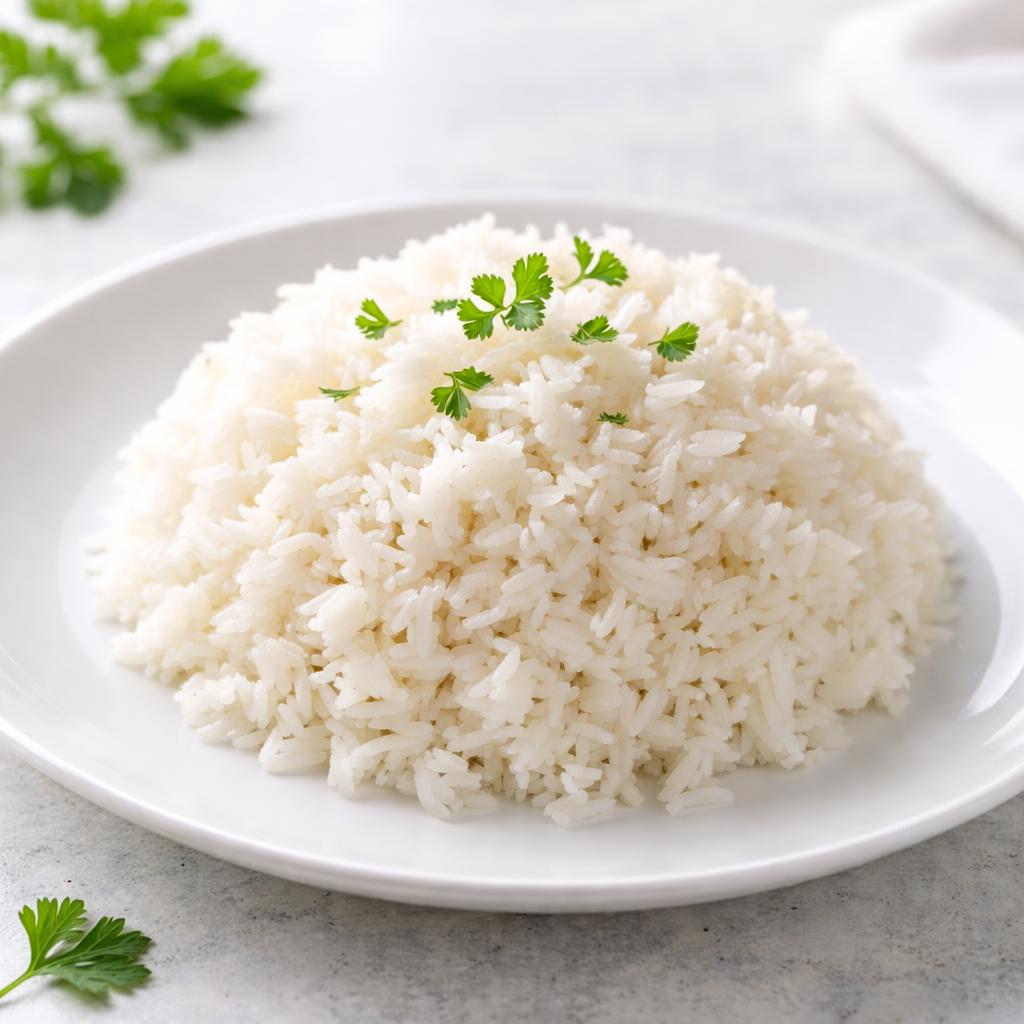
White Rice
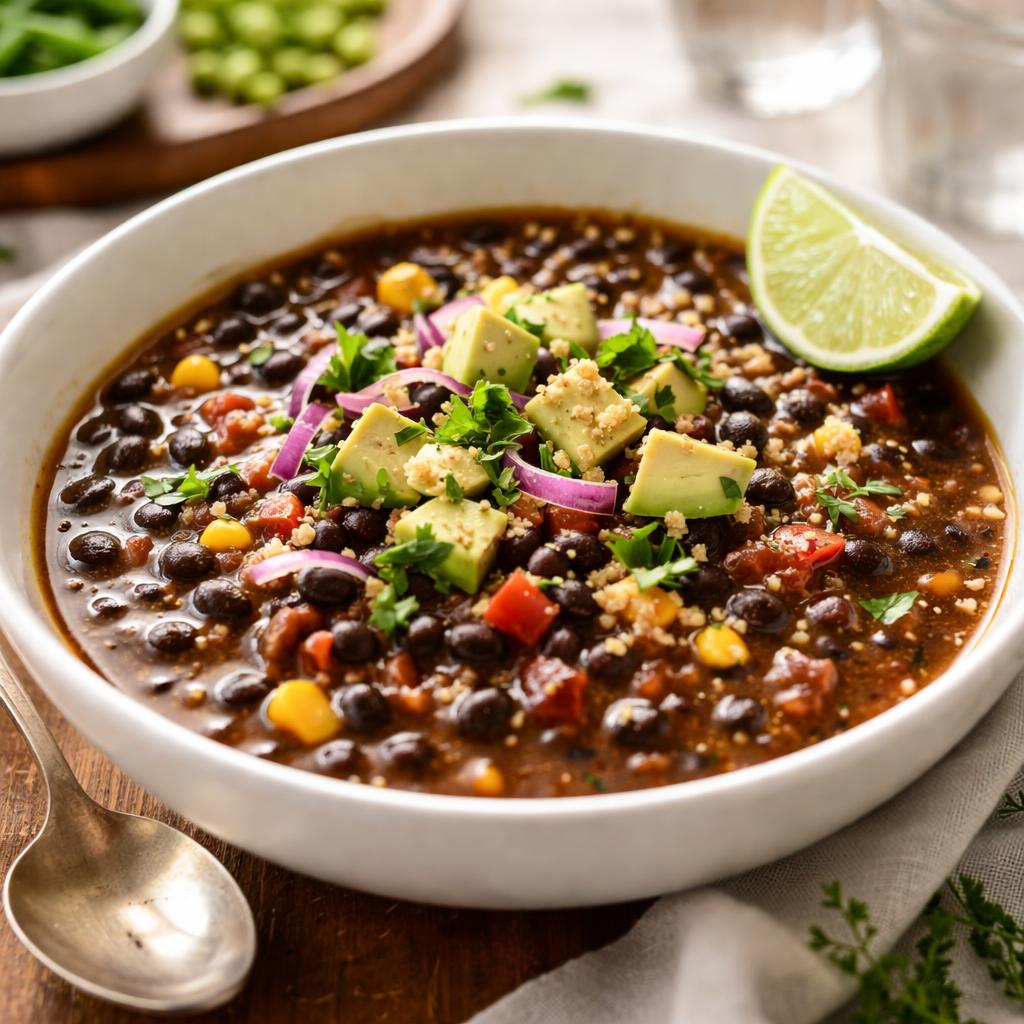
Black Bean Soup
🎯 Quick Verdict
Black bean soup is significantly higher in protein, fiber, and micronutrients compared to white rice, making it a more nutrient-dense choice. White rice, however, is lower in calories and can be a better option for energy without added heaviness. Black bean soup is ideal for balanced nutrition, while white rice suits lighter meals or carb-focused diets.

Smart Nutrition Tracking with SnapCalorie

📊 Nutritional Comparison
Macronutrients
| Nutrient | Food 1 | Food 2 | Winner |
|---|---|---|---|
| Calories | 205 | 150 | ✓ |
| Protein | 4.3g | 9g | ✓ |
| Carbs | 45g | 25g | ✓ |
| Fat | 0.4g | 5g | ✓ |
| Fiber | 0.5g | 7g | ✓ |
Vitamins & Minerals
| Nutrient | Food 1 | Food 2 | Winner |
|---|---|---|---|
| Vitamin D | 0mcg | 0mcg | − |
| Calcium | 15mg | 46mg | ✓ |
| Iron | 0.8mg | 2.9mg | ✓ |
🏆 Category Winners
Protein
Black bean soup has 2x more protein per serving than white rice.
Fiber
Black bean soup is high in fiber, offering 7g compared to rice's 0.5g.
Calories
White rice has a higher calorie content, ideal for energy-heavy meals.
Vitamins
Black bean soup contains more calcium and iron, beneficial for bone health and oxygen transport.
🥗 Diet Compatibility
Keto
Food 1: Not Compatible
Food 2: Not Compatible
Both contain too many carbs for keto diets.
Vegan
Food 1: Compatible
Food 2: Compatible
Both foods are entirely plant-based.
Gluten Free
Food 1: Compatible
Food 2: Compatible
Neither food contains gluten.
Paleo
Food 1: Not Compatible
Food 2: Not Compatible
White rice and black bean soup are excluded from strict paleo diets due to rice and legumes.
Low-Carb
Food 1: Not Compatible
Food 2: Not Compatible
Both foods have too many carbs for low-carb diets.
💪 Health Benefits Comparison
Food 1 Benefits
- Provides quick energy with easily digestible carbs
- Low in fat, making it a light calorie option
- A versatile base for a variety of meals
Food 2 Benefits
- High in protein, supporting muscle repair and development
- Excellent source of fiber for digestive health
- Rich in iron and calcium for stronger bones and better oxygen transport
- Contains antioxidants that may help reduce inflammation
✅ The Bottom Line
Black bean soup is nutritionally superior in protein, fiber, and micronutrients, making it ideal for balanced meals or those looking to increase their nutrient intake. White rice, while less nutrient-dense, is better for light and quick energy-focused meals, especially in diets prioritizing low fat and straightforward carbs.
Choose Food 1 for: Energy-focused meals, light calorie needs, meal bases
Choose Food 2 for: Balanced nutrition, high protein diets, digestion and heart health


