White Rice VS Biriyani
A detailed nutritional comparison
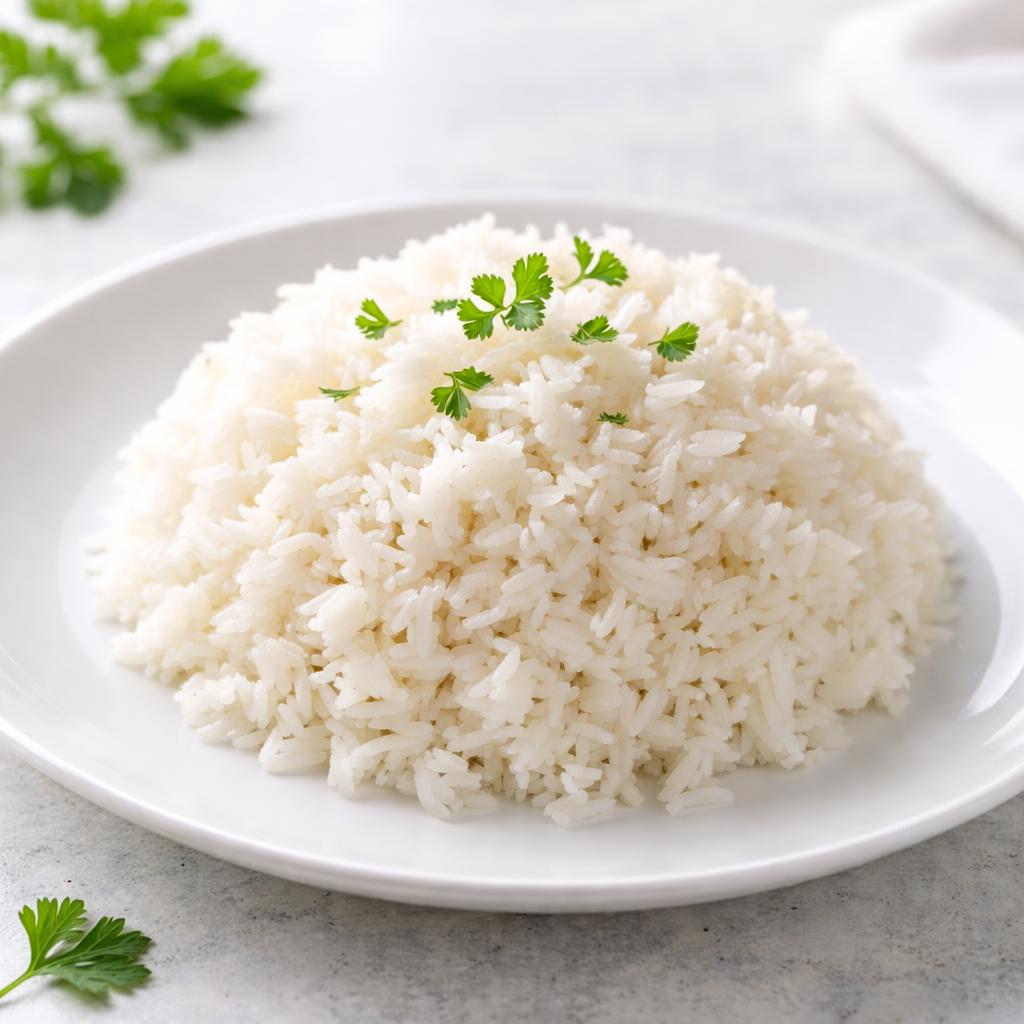
White Rice
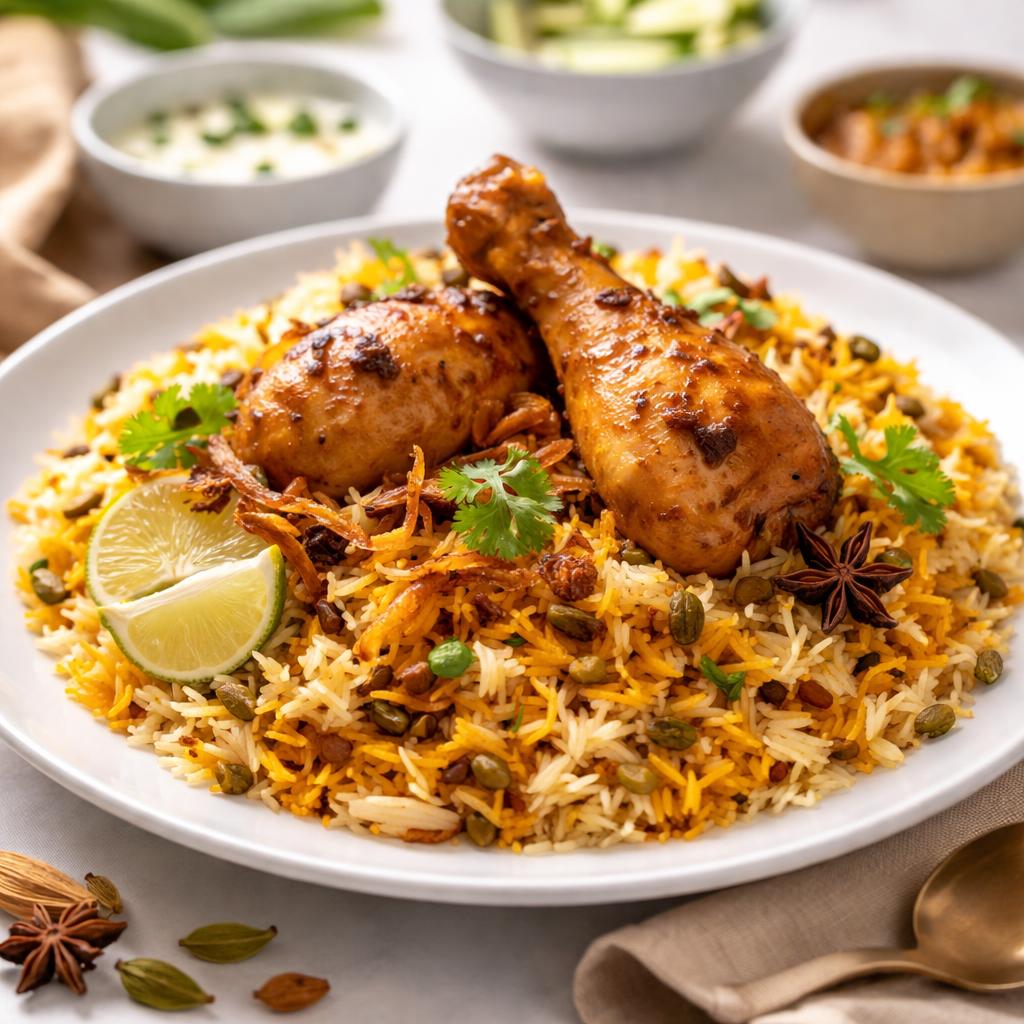
Biriyani
🎯 Quick Verdict
White rice is a basic carbohydrate source with low protein and fiber but fewer calories per serving. Biriyani is a flavorful, nutrient-dense dish typically containing spices, meat, and vegetables, offering significantly more protein, fiber, and micronutrients. White rice is ideal for plain sides, while biriyani is a more complex, complete meal choice.

Smart Nutrition Tracking with SnapCalorie

📊 Nutritional Comparison
Macronutrients
| Nutrient | Food 1 | Food 2 | Winner |
|---|---|---|---|
| Calories | 150 kcal per cup | 350 kcal per cup | ✓ |
| Protein | 3g | 12g | ✓ |
| Carbs | 33g | 40g | ✓ |
| Fat | 0.5g | 10g | ✓ |
| Fiber | 0g | 3g | ✓ |
Vitamins & Minerals
| Nutrient | Food 1 | Food 2 | Winner |
|---|---|---|---|
| Vitamin A | 0mcg | 50mcg (from spices/vegetables) | ✓ |
| Iron | 0.2mg | 3mg | ✓ |
| Potassium | 35mg | 200mg | ✓ |
🏆 Category Winners
Protein
Biriyani contains 4x more protein due to meat and legumes.
Fiber
Biriyani offers added fiber from vegetables and whole spices.
Calories
White rice has significantly fewer calories, making it ideal for controlled-calorie diets.
🥗 Diet Compatibility
Keto
Food 1: Not Compatible
Food 2: Not Compatible
Both are high-carb dishes unsuitable for keto diets.
Vegan
Food 1: Compatible
Food 2: Depends on recipe
Biriyani typically includes meat and dairy, but can be veganized.
Gluten Free
Food 1: Compatible
Food 2: Compatible
Neither contains gluten, but confirm biriyani recipe ingredients.
Paleo
Food 1: Not Compatible
Food 2: Not Compatible
Both include grains, which are non-paleo.
Low-Carb
Food 1: Not Compatible
Food 2: Not Compatible
Both are carb-heavy dishes unsuitable for low-carb diets.
💪 Health Benefits Comparison
Food 1 Benefits
- A light, easily digestible carb source
- Gluten-free and allergen-friendly
- Ideal for quick energy replenishment
Food 2 Benefits
- Rich in protein for muscle growth and repair
- Contains heart-healthy spices like turmeric and cumin
- Provides essential micronutrients like iron and potassium
- Offers fiber for better digestion
✅ The Bottom Line
White rice is a simple and versatile staple, best for basic energy needs or pairing with other dishes for nutrient balance. Biriyani is a nutrient-dense meal, ideal for protein intake, flavor, and variety, but higher in calories. Choose white rice for lighter meals and biriyani for hearty, complete options.
Choose Food 1 for: Low-calorie diets, light sides, easy digestion
Choose Food 2 for: Balanced meals, protein-rich diets, flavorful indulgences


