White Rice VS Barbeque Sauce
A detailed nutritional comparison
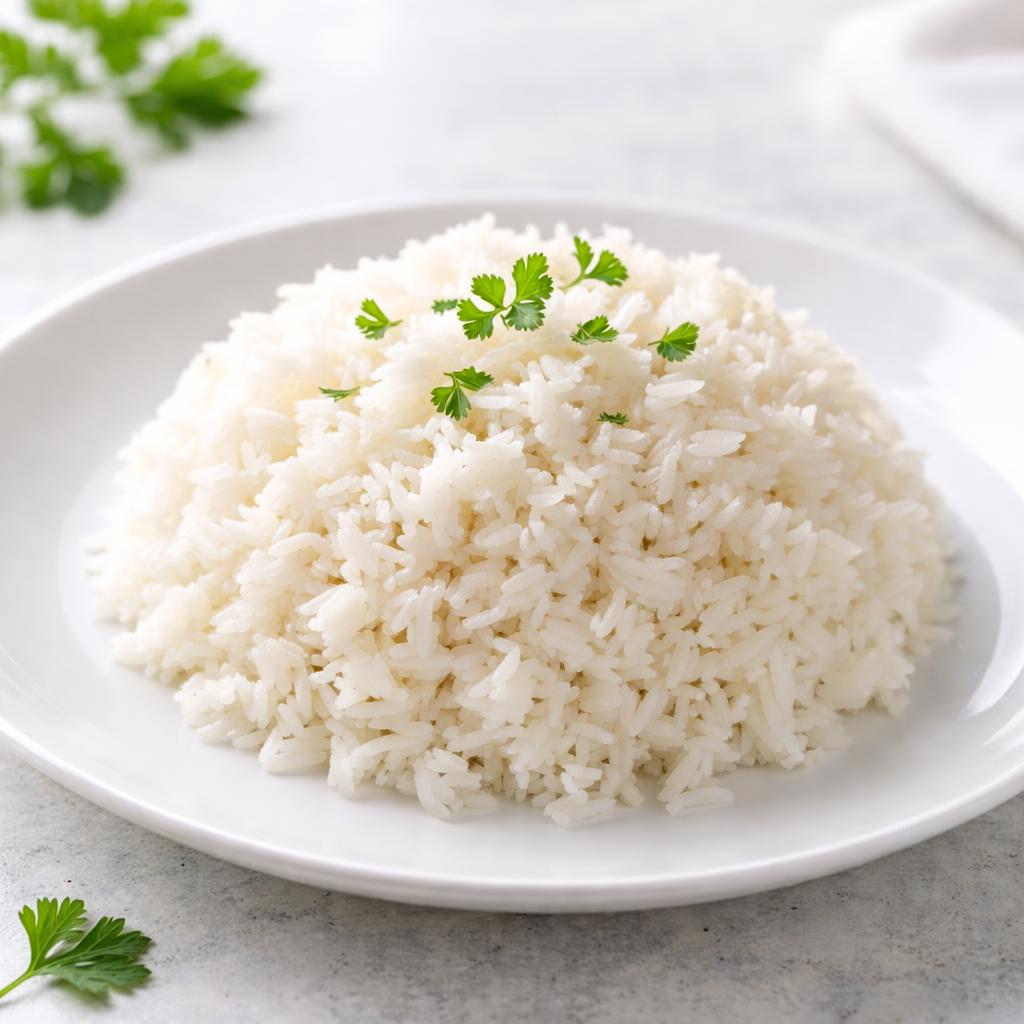
White Rice
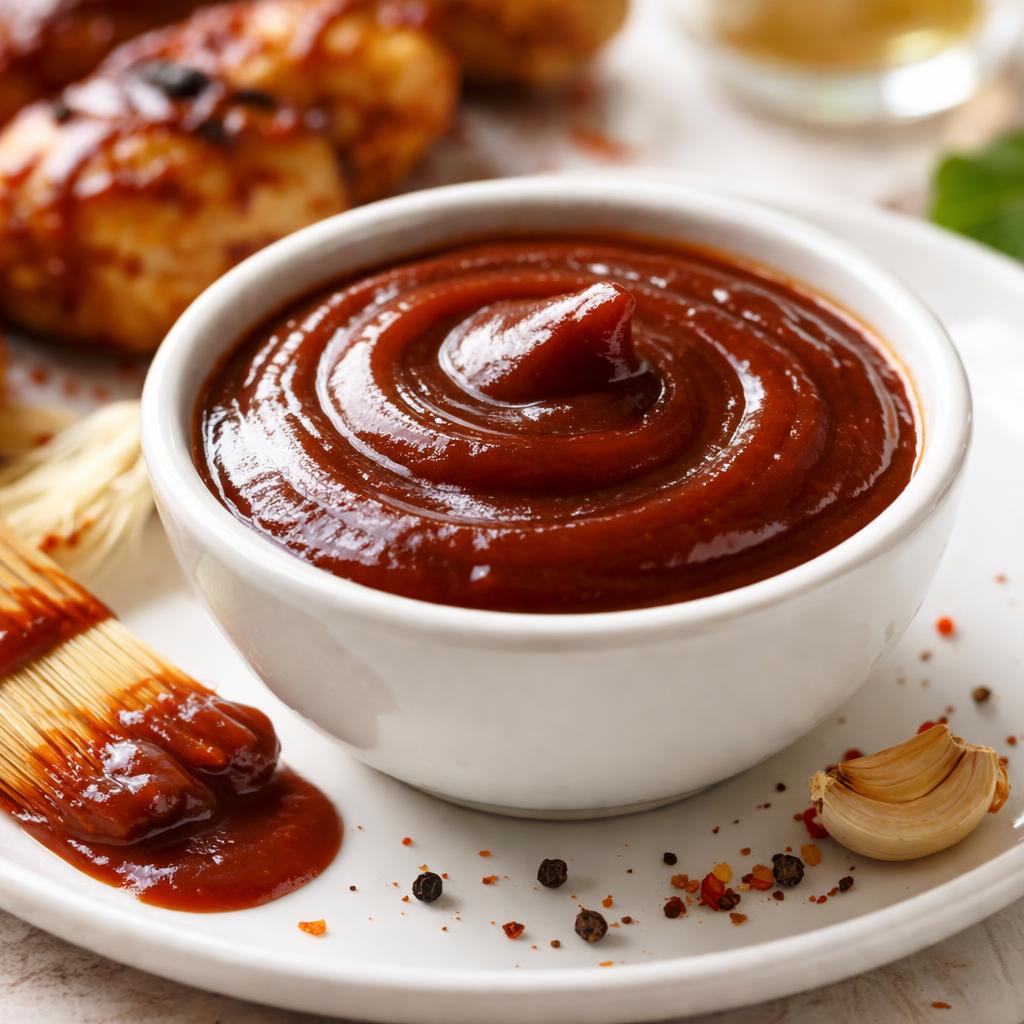
Barbeque Sauce
🎯 Quick Verdict
White rice is a staple carbohydrate food with a lower calorie count and higher fiber content compared to barbeque sauce, which is primarily a condiment high in sugar and calories. White rice is best for energy and satiety, while barbeque sauce adds flavor but is less nutrient-dense and high in added sugars.

Smart Nutrition Tracking with SnapCalorie

📊 Nutritional Comparison
Macronutrients
| Nutrient | Food 1 | Food 2 | Winner |
|---|---|---|---|
| Calories | 205 (1 cup cooked) | 50 (2 tbsp) | ✓ |
| Protein | 4g | 0g | ✓ |
| Carbs | 45g | 12g | ✓ |
| Fat | 0.4g | 0g | − |
| Fiber | 0.6g | 0g | ✓ |
Vitamins & Minerals
| Nutrient | Food 1 | Food 2 | Winner |
|---|---|---|---|
| Vitamin D | 0mcg | 0mcg | − |
| Calcium | 15mg | 2mg | ✓ |
| Iron | 1.9mg | 0mg | ✓ |
| Vitamin C | 0mg | 2mg | ✓ |
🏆 Category Winners
Protein
White rice contains 4g of protein per cup, while barbeque sauce contains none.
Fiber
White rice has trace amounts of fiber (0.6g per serving), while barbeque sauce contains no fiber.
Calories
Barbeque sauce has fewer calories per serving (50 in 2 tbsp vs 205 in 1 cup of rice).
Vitamins
Barbeque sauce contains vitamin C, which is not present in white rice.
🥗 Diet Compatibility
Keto
Food 1: Not Compatible
Food 2: Not Compatible
Both foods are high in sugar or carbs.
Vegan
Food 1: Compatible
Food 2: Typically Compatible
White rice is plant-based, and most barbeque sauces are vegan; check ingredients.
Gluten Free
Food 1: Compatible
Food 2: Generally Compatible
Neither food contains gluten unless sauce has additives; verify labels.
Paleo
Food 1: Not Compatible
Food 2: Not Compatible
Both foods are excluded from strict paleo diets due to refinement or added sugars.
Low-Carb
Food 1: Not Compatible
Food 2: Not Compatible
White rice is carb-heavy, and barbeque sauce contains added sugar.
💪 Health Benefits Comparison
Food 1 Benefits
- Provides a source of quick energy from carbohydrates.
- Low in fat and free of cholesterol.
- Contains trace amounts of iron for oxygen transport.
Food 2 Benefits
- Adds flavor to meals without fat or cholesterol.
- Contains vitamin C for immune support when made with tomato-based ingredients.
- Typically low-calorie in small portions, enhancing taste without excessive energy intake.
✅ The Bottom Line
Choose white rice for larger meals focused on energy and satiety or when you need a source of carbohydrates. Use barbeque sauce in moderation to add flavor without additional nutrients or fiber. Limit barbeque sauce in diets that avoid added sugar.
Choose Food 1 for: Main meals, energy replenishment, side dishes
Choose Food 2 for: Flavor enhancement for meats and grilled items


