White Rice VS Bacon Burger
A detailed nutritional comparison
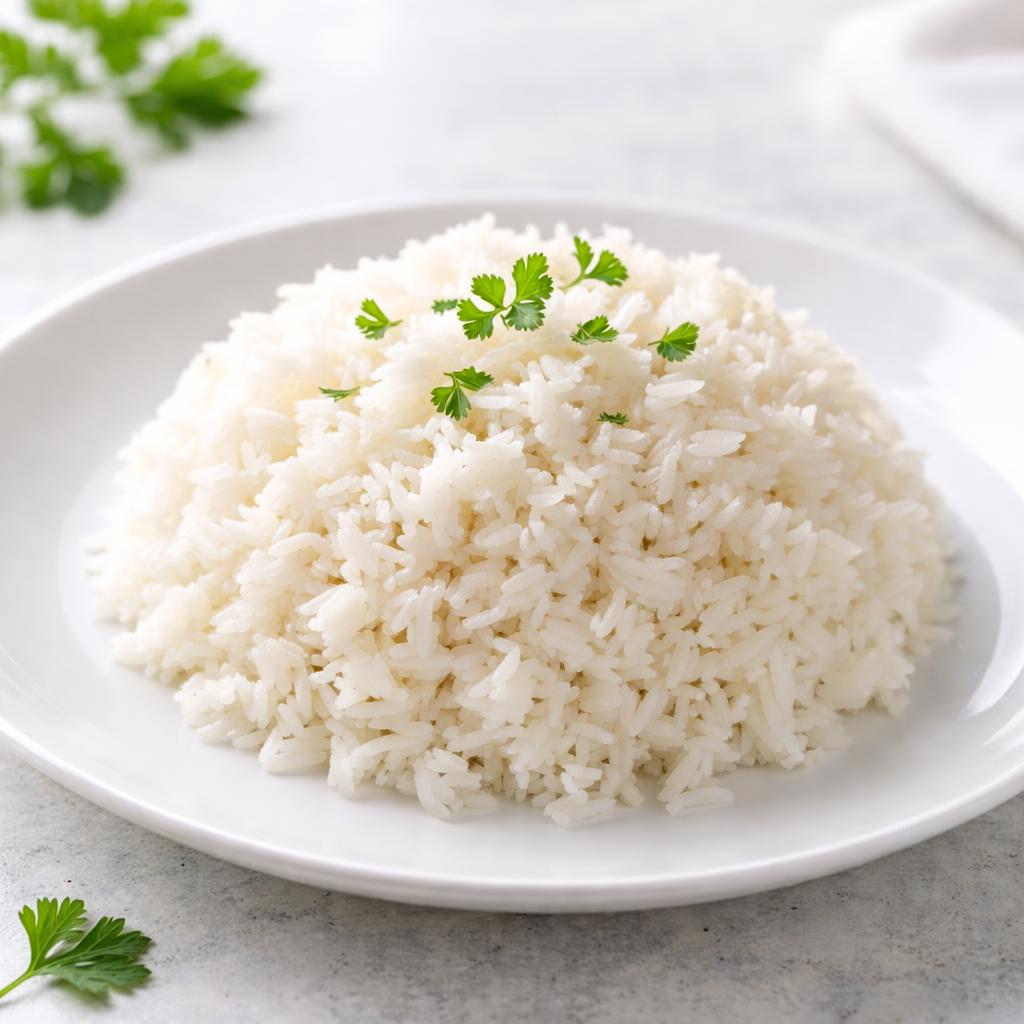
White Rice
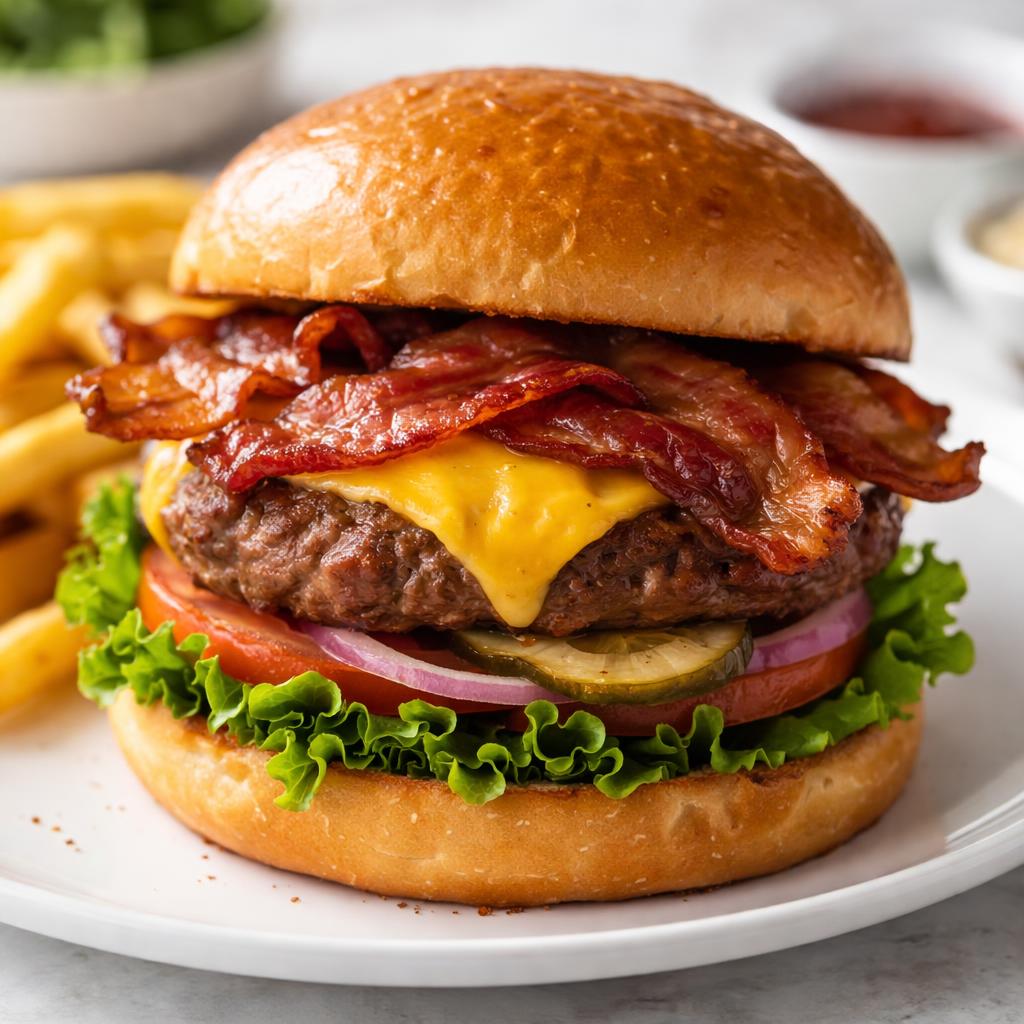
Bacon Burger
🎯 Quick Verdict
White rice is a low-fat, carb-heavy food with fewer calories, while the bacon burger is higher in protein and provides various vitamins and minerals. White rice is best for energy and carb refueling, whereas the bacon burger is more suitable for protein-rich meals, though it is more calorie-dense and higher in fats.

Smart Nutrition Tracking with SnapCalorie

📊 Nutritional Comparison
Macronutrients
| Nutrient | Food 1 | Food 2 | Winner |
|---|---|---|---|
| Calories | 205 | 354 | ✓ |
| Protein | 4.3g | 18g | ✓ |
| Carbs | 45g | 26g | ✓ |
| Fat | 0.4g | 19g | ✓ |
| Fiber | 0.6g | 0.6g | − |
Vitamins & Minerals
| Nutrient | Food 1 | Food 2 | Winner |
|---|---|---|---|
| Vitamin D | 0mcg | 0.3mcg | ✓ |
| Calcium | 8mg | 120mg | ✓ |
| Iron | 0.2mg | 2.1mg | ✓ |
🏆 Category Winners
Protein
Bacon burger has 4x more protein than white rice.
Fiber
Both foods provide the same amount of fiber (0.6g).
Calories
White rice has 42% fewer calories than the bacon burger.
Vitamins
Bacon burger offers more calcium, iron, and vitamin D.
🥗 Diet Compatibility
Keto
Food 1: Not Compatible
Food 2: Compatible
Bacon burger is high-fat, low-carb; white rice is carb-heavy.
Vegan
Food 1: Compatible
Food 2: Not Compatible
White rice is plant-based, while the bacon burger contains animal products.
Gluten Free
Food 1: Compatible
Food 2: Not Compatible
White rice is naturally gluten-free; bacon burgers may contain gluten in the bun or seasoning.
Paleo
Food 1: Not Compatible
Food 2: Partially Compatible
White rice is not allowed on paleo, while a bunless or modified bacon burger can fit paleo principles.
Low-Carb
Food 1: Not Compatible
Food 2: Compatible
White rice is high-carb, while the bacon burger contains fewer carbs.
💪 Health Benefits Comparison
Food 1 Benefits
- Provides quick energy from carbs
- Low-fat option for weight control
- Gluten-free and easy to digest
Food 2 Benefits
- Rich in protein for muscle maintenance
- Contains iron for oxygen transport in blood
- Provides calcium for bone health
- Offers healthy fats for sustained energy
✅ The Bottom Line
White rice is best as a lower-calorie, carb-rich food for quick energy, ideal for athletes or those refueling after exercise. The bacon burger is better for protein and nutrient density but is calorie- and fat-heavy, making it better for higher-energy demands or occasional indulgence.
Choose Food 1 for: Low-fat diets, carb refueling, gluten-free meals
Choose Food 2 for: Muscle building, keto diets, nutrient-rich meals


