White Rice VS Bacon Bits
A detailed nutritional comparison
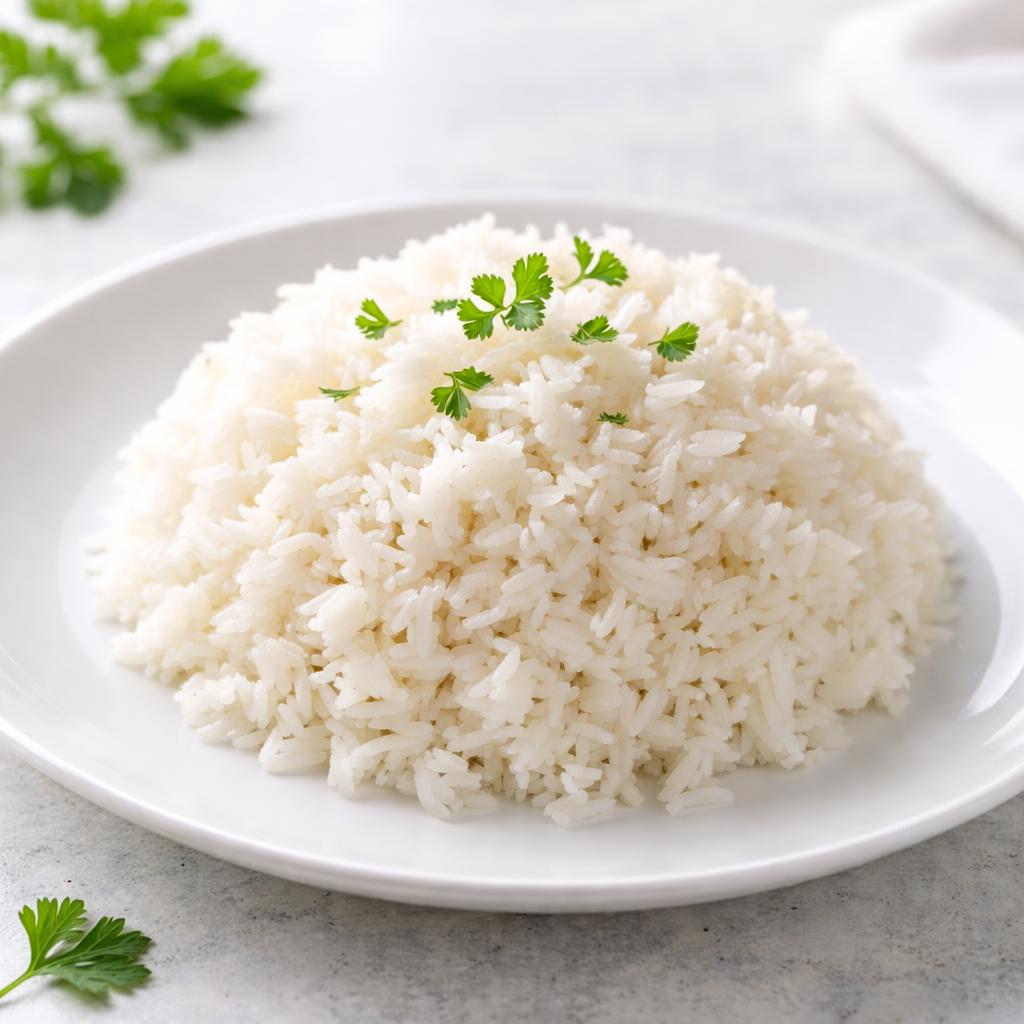
White Rice
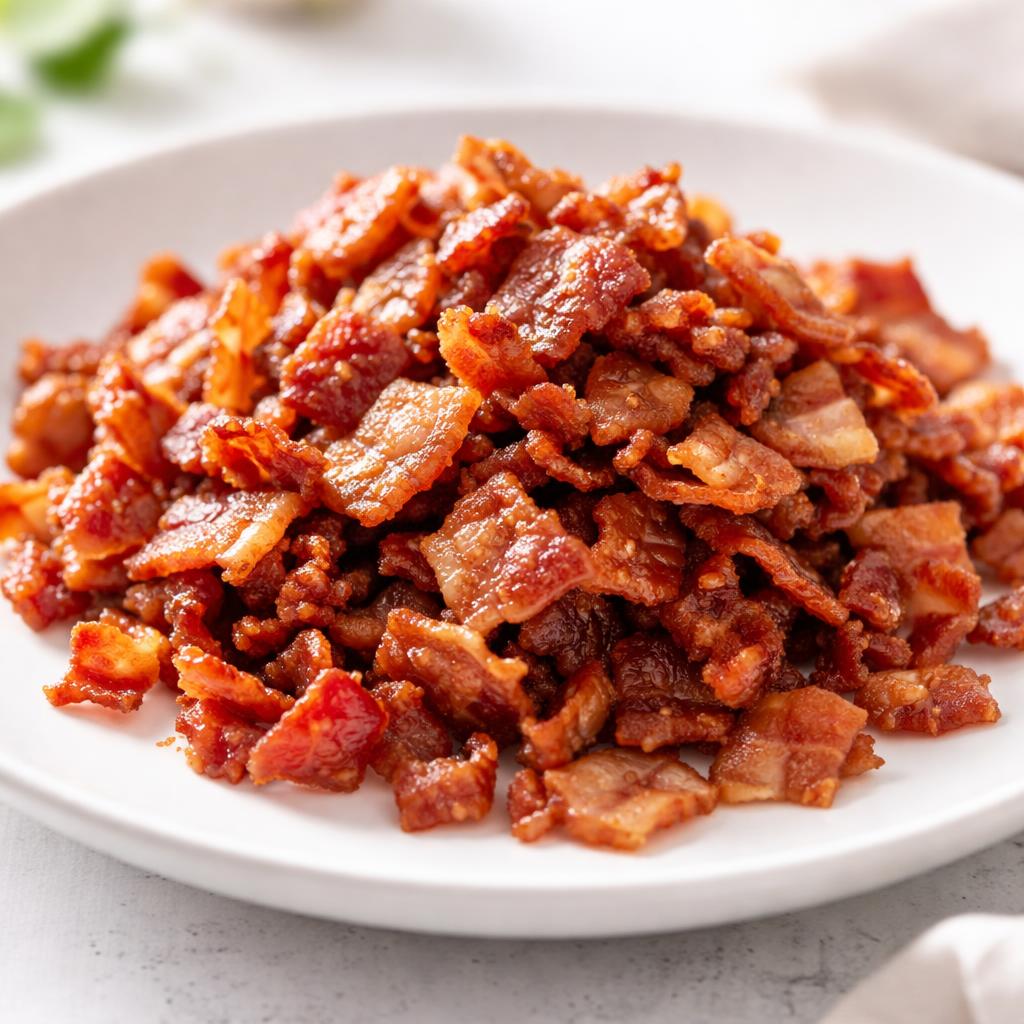
Bacon Bits
🎯 Quick Verdict
White rice and bacon bits differ vastly in nutritional composition. White rice is a low-calorie, carbohydrate-rich option that provides fiber but is lower in protein. Bacon bits are high in protein and fat but come with high sodium and calorie content. White rice is ideal for energy and digestion, while bacon bits are better as a flavor enhancer with protein support to meals.

Smart Nutrition Tracking with SnapCalorie

📊 Nutritional Comparison
Macronutrients
| Nutrient | Food 1 | Food 2 | Winner |
|---|---|---|---|
| Calories | 130 | 150 | ✓ |
| Protein | 2g | 11g | ✓ |
| Carbs | 28g | 1g | ✓ |
| Fat | 0g | 9g | ✓ |
| Fiber | 1g | 0g | ✓ |
Vitamins & Minerals
| Nutrient | Food 1 | Food 2 | Winner |
|---|---|---|---|
| Vitamin D | 0mcg | 0mcg | − |
| Calcium | 2mg | 7mg | ✓ |
| Iron | 0.2mg | 0.5mg | ✓ |
🏆 Category Winners
Protein
Bacon bits have 5.5x more protein per serving than white rice.
Fiber
White rice has dietary fiber, while bacon bits contain negligible fiber.
Calories
White rice has 13% fewer calories per serving.
Vitamins
Bacon bits provide higher amounts of calcium and iron compared to white rice.
🥗 Diet Compatibility
Keto
Food 1: Not Compatible
Food 2: Compatible
Food1 is high in carbs, while Food2 is low-carb (1g carbs per serving).
Vegan
Food 1: Compatible
Food 2: Not Compatible
White rice is plant-based, but bacon bits are derived from animal products.
Gluten Free
Food 1: Compatible
Food 2: Compatible
Both foods are naturally gluten-free.
Paleo
Food 1: Not Compatible
Food 2: Not Compatible
White rice and processed bacon bits are not permitted in strict Paleo diets.
Low Carb
Food 1: Not Compatible
Food 2: Compatible
White rice is carb-heavy (28g per serving). Bacon bits are low in carbohydrates (1g per serving).
💪 Health Benefits Comparison
Food 1 Benefits
- Provides sustained energy through complex carbohydrates
- Good source of fiber for better digestion
- Low in fat and sodium, making it heart-friendly
Food 2 Benefits
- High protein content supports muscle repair and growth
- Contains healthy fats for energy and satiety
- Provides small amounts of calcium and iron for bone and blood health
✅ The Bottom Line
White rice is an excellent choice for energy and digestion and works well in balanced meals alongside protein sources. Bacon bits are a protein-dense, flavorful addition to meals but should be consumed in moderation due to their high fat and sodium content.
Choose Food 1 for: Balanced-carb meals, digestion support, energy replenishment
Choose Food 2 for: Protein boosts, snack toppings, keto or low-carb diets


