White Bread VS Whole Wheat Bread
A detailed nutritional comparison

White Bread
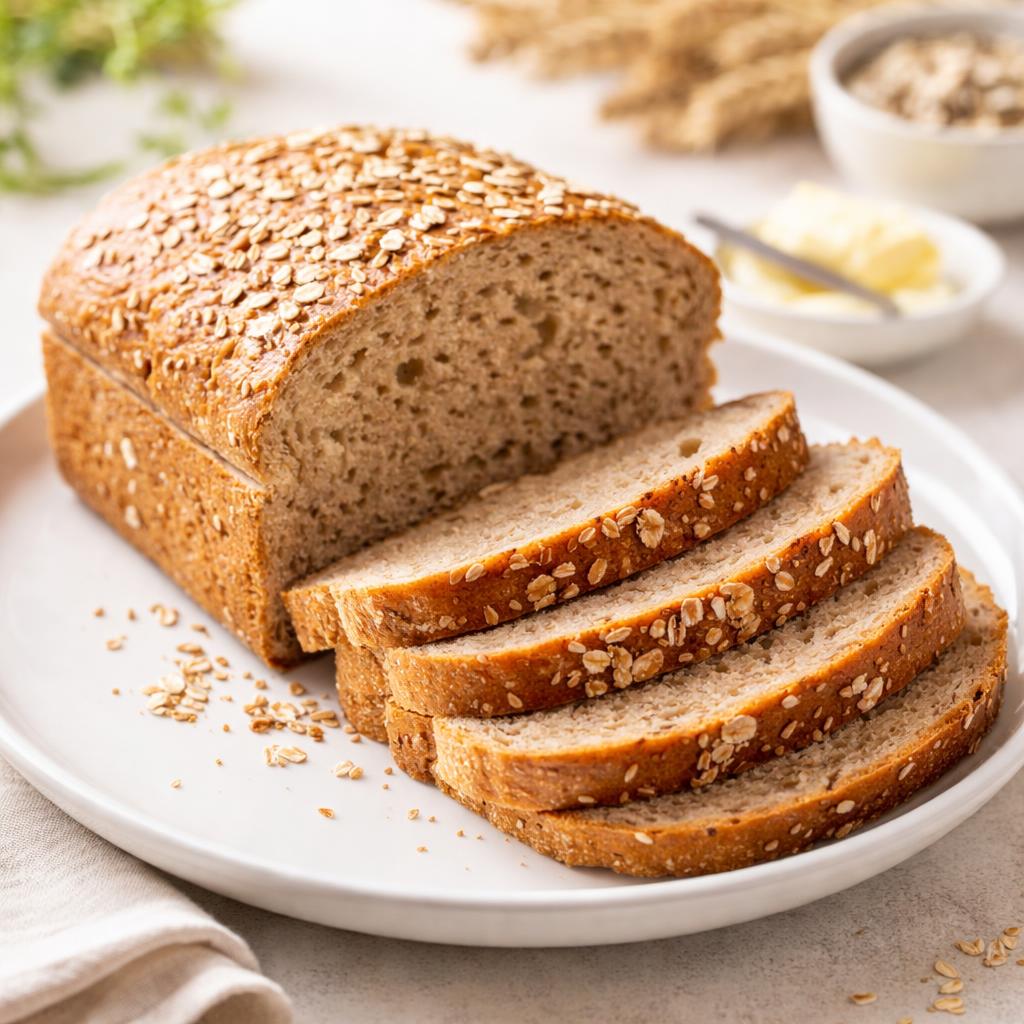
Whole Wheat Bread
🎯 Quick Verdict
Whole wheat bread is nutritionally superior to white bread, offering more protein, fiber, and micronutrients such as magnesium and selenium. On the other hand, white bread is softer and can be easier to digest for individuals with sensitive stomachs. Whole wheat bread is better suited for those seeking improved nutrition, while white bread may appeal to those prioritizing taste or short-term energy boosts.

Smart Nutrition Tracking with SnapCalorie

📊 Nutritional Comparison
Macronutrients
| Nutrient | Food 1 | Food 2 | Winner |
|---|---|---|---|
| Calories | 79 | 81 | − |
| Protein | 2.7g | 4g | ✓ |
| Carbs | 14.8g | 13.8g | ✓ |
| Fat | 0.6g | 0.9g | ✓ |
| Fiber | 0.8g | 2.2g | ✓ |
Vitamins & Minerals
| Nutrient | Food 1 | Food 2 | Winner |
|---|---|---|---|
| Vitamin B6 | 0.02mg | 0.09mg | ✓ |
| Magnesium | 6mg | 22mg | ✓ |
| Selenium | 8.3mcg | 11.6mcg | ✓ |
| Iron | 0.5mg | 0.9mg | ✓ |
🏆 Category Winners
Protein
Whole wheat bread provides almost 50% more protein per serving.
Fiber
Whole wheat bread has nearly 3 times the fiber of white bread, promoting better digestion.
Calories
White bread and whole wheat bread provide comparable caloric content per slice.
Vitamins
Whole wheat bread contains higher levels of key vitamins and minerals like magnesium and selenium.
🥗 Diet Compatibility
Keto
Food 1: Not Compatible
Food 2: Not Compatible
Both are high-carb and unsuitable for ketogenic diets.
Vegan
Food 1: Compatible
Food 2: Compatible
Neither bread contains animal-derived ingredients.
Gluten Free
Food 1: Not Compatible
Food 2: Not Compatible
Both are made from wheat and are not suitable for gluten-free diets.
Paleo
Food 1: Not Compatible
Food 2: Not Compatible
Wheat-based products are excluded from paleo diets.
Low-Carb
Food 1: Not Compatible
Food 2: Not Compatible
Both breads are relatively high in carbohydrates.
💪 Health Benefits Comparison
Food 1 Benefits
- Provides a quick energy boost due to easy-to-digest carbohydrates
- Fortified varieties may contain added vitamins and minerals
- Ideal for individuals with mild digestive sensitivities to fiber
Food 2 Benefits
- Higher fiber content supports better digestion and regulates blood sugar
- Contains more nutrients such as selenium and magnesium for overall health
- Provides sustained energy due to its slower digestion compared to white bread
✅ The Bottom Line
Whole wheat bread is the better choice for individuals aiming for improved nutrition, as it contains more fiber, protein, and essential vitamins and minerals. White bread works as an occasional option for those prioritizing taste, easier digestibility, or quick energy boosts.
Choose Food 1 for: Quick energy, mild digestive needs, occasional indulgence
Choose Food 2 for: Improved nutrition, longer satiety, blood sugar management


