White Bread VS Whole-Grain Bread
A detailed nutritional comparison
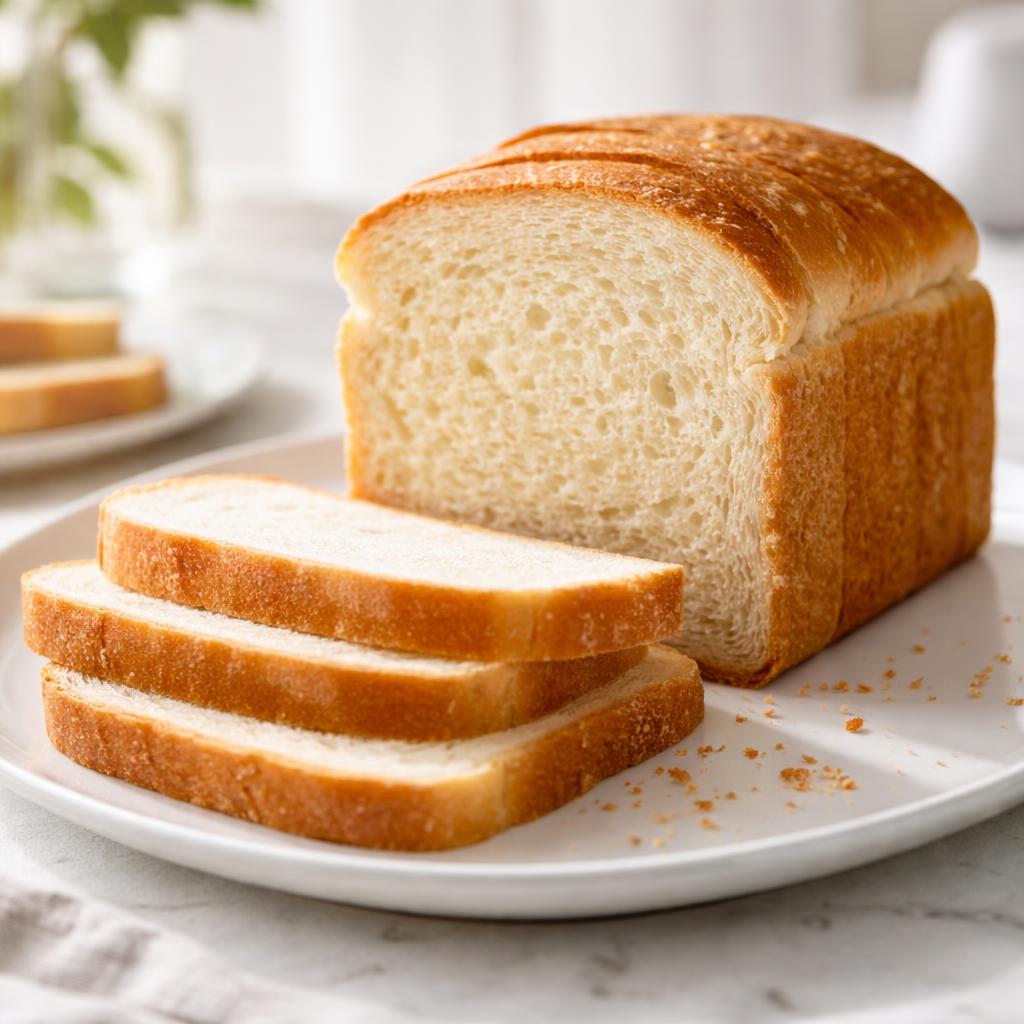
White Bread
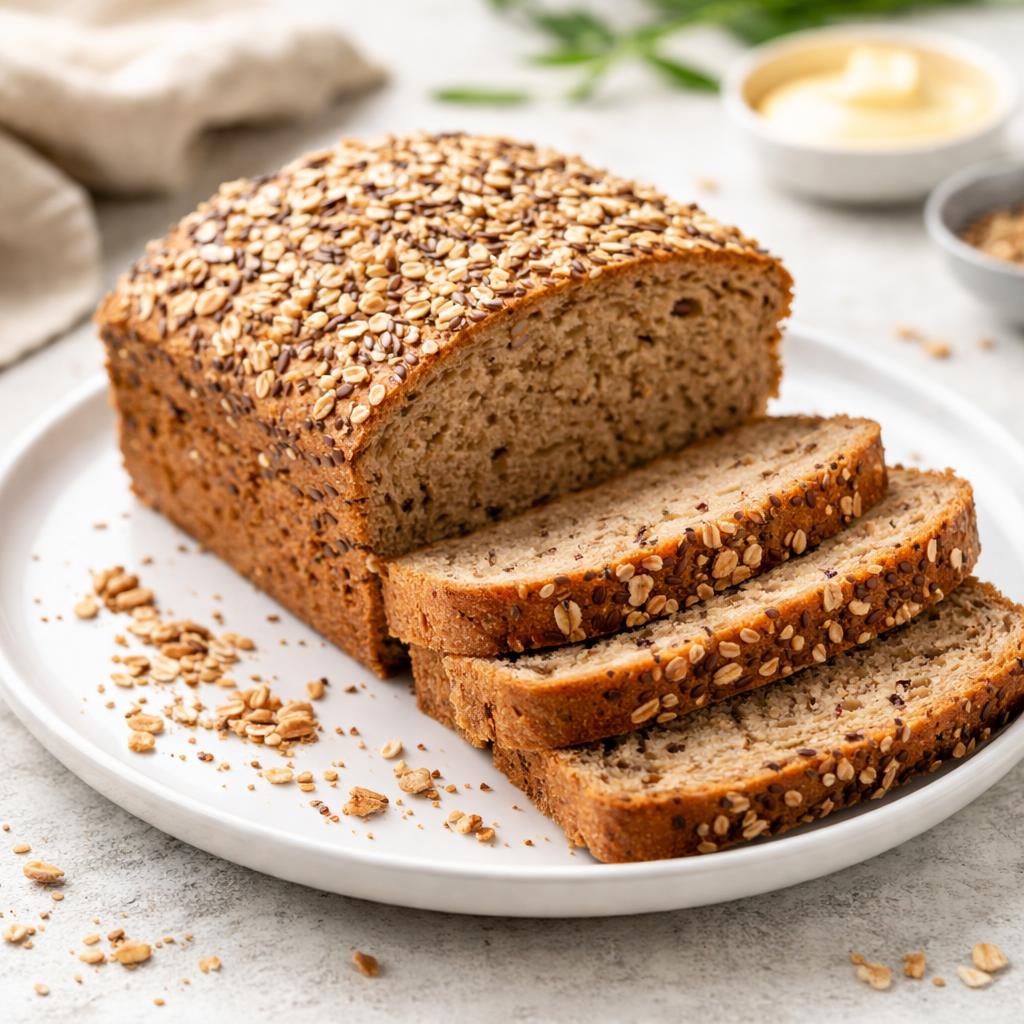
Whole-Grain Bread
🎯 Quick Verdict
Whole-grain bread (Food 2) outperforms white bread (Food 1) nutritionally, offering more protein, fiber, and micronutrients. While white bread has fewer calories, whole-grain bread is a healthier option for sustained energy and improved digestion due to its nutrient density.

Smart Nutrition Tracking with SnapCalorie

📊 Nutritional Comparison
Macronutrients
| Nutrient | Food 1 | Food 2 | Winner |
|---|---|---|---|
| Calories | 74 per slice | 82 per slice | ✓ |
| Protein | 2g per slice | 4g per slice | ✓ |
| Carbs | 14g per slice | 15g per slice | ✓ |
| Fat | 0.8g per slice | 1.1g per slice | ✓ |
| Fiber | 0.8g per slice | 2.5g per slice | ✓ |
Vitamins & Minerals
| Nutrient | Food 1 | Food 2 | Winner |
|---|---|---|---|
| Vitamin B6 | 0.02mg | 0.14mg | ✓ |
| Magnesium | 5mg | 22mg | ✓ |
| Iron | 0.5mg | 1mg | ✓ |
🏆 Category Winners
Protein
Whole-grain bread has 100% more protein per slice than white bread.
Fiber
Whole-grain bread contains over three times the fiber of white bread.
Calories
White bread has slightly fewer calories per slice.
Vitamins
Whole-grain bread is richer in essential minerals such as magnesium and iron.
🥗 Diet Compatibility
Keto
Food 1: Not Compatible
Food 2: Not Compatible
Both are high in carbs and unsuitable for keto diets.
Vegan
Food 1: Compatible
Food 2: Compatible
Both breads are plant-based and vegan-friendly.
Gluten Free
Food 1: Not Compatible
Food 2: Not Compatible
Both breads contain gluten.
Paleo
Food 1: Not Compatible
Food 2: Not Compatible
Bread is grain-based and does not fit paleo guidelines.
Low-Carb
Food 1: Not Compatible
Food 2: Not Compatible
Both are unsuitable due to their carb content (14-15g per slice).
💪 Health Benefits Comparison
Food 1 Benefits
- Lower in calories for reduced calorie diets
- Quick source of carbohydrates for energy
- Fortified with some vitamins and minerals in many brands
Food 2 Benefits
- Rich in fiber to support digestive health
- Provides sustained energy from complex carbohydrates
- Higher protein content for muscle maintenance
- Contains essential nutrients like magnesium and iron
✅ The Bottom Line
Whole-grain bread (Food 2) is the healthier choice due to its higher protein, fiber, and vitamin content, making it ideal for sustained energy and overall health. White bread (Food 1), while lower in calories, lacks significant nutrients and is best for those on very restrictive calorie budgets or needing quick energy without digestive health considerations.
Choose Food 1 for: Quick energy boost, calorie-controlled diets, affordability
Choose Food 2 for: Sustained energy, high-fiber diets, nutrient density


