White Bread VS Uncooked Rice
A detailed nutritional comparison
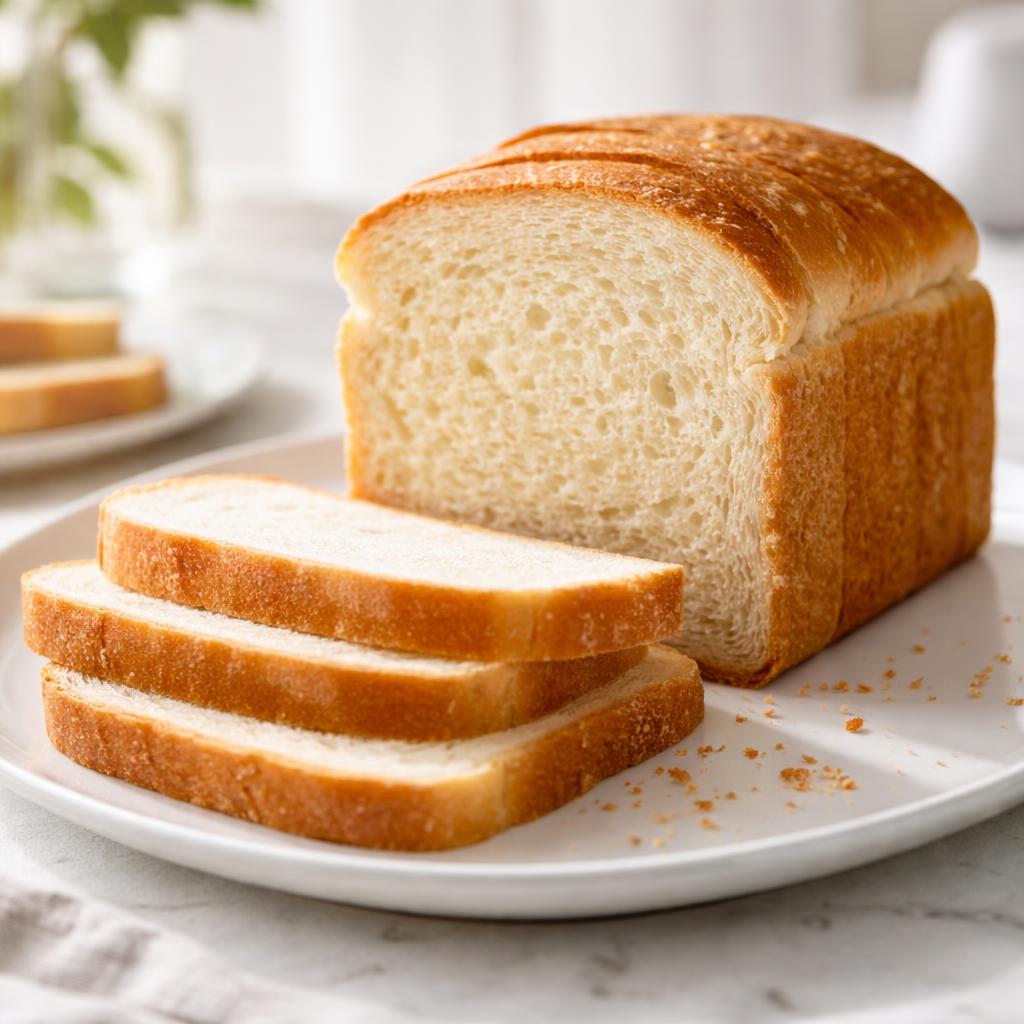
White Bread
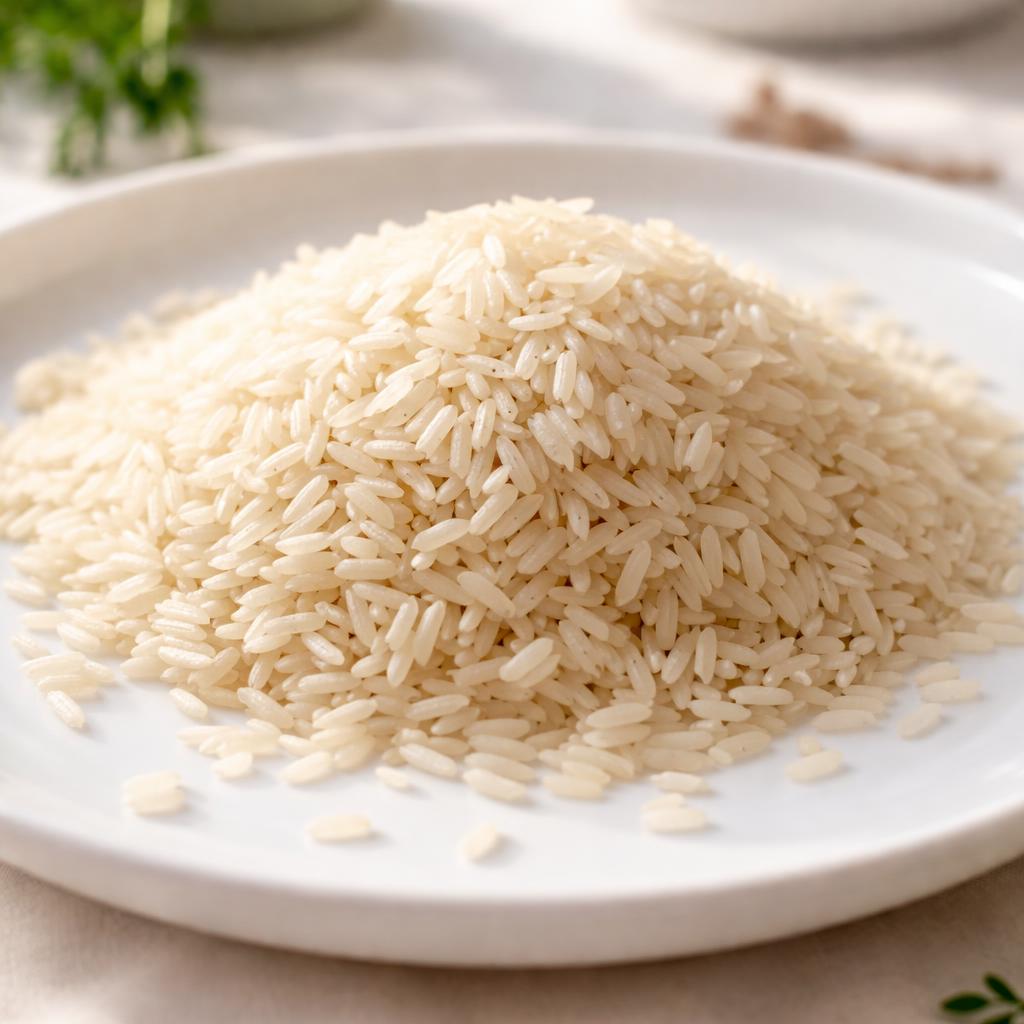
Uncooked Rice
🎯 Quick Verdict
White bread tends to have fewer calories, more fiber, and slightly more protein compared to uncooked rice. On the other hand, uncooked rice is richer in carbohydrates and contains more micronutrients like magnesium and iron. White bread is ideal for quick meals, while rice provides a versatile base for nutrient-dense dishes when cooked.

Smart Nutrition Tracking with SnapCalorie

📊 Nutritional Comparison
Macronutrients
| Nutrient | Food 1 | Food 2 | Winner |
|---|---|---|---|
| Calories | 80 (per slice, 28g) | 130 (per 1/4 cup uncooked, 45g) | ✓ |
| Protein | 2g | 1.5g | ✓ |
| Carbs | 15g | 28g | ✓ |
| Fat | 0.5g | 0g | ✓ |
| Fiber | 0.8g | 0g | ✓ |
Vitamins & Minerals
| Nutrient | Food 1 | Food 2 | Winner |
|---|---|---|---|
| Vitamin B1 (Thiamine) | 0.1mg | 0.4mg | ✓ |
| Magnesium | 10mg | 44mg | ✓ |
| Iron | 0.7mg | 0.4mg | ✓ |
🏆 Category Winners
Protein
White bread contains slightly more protein per serving than uncooked rice.
Fiber
White bread has 0.8g of fiber per serving while uncooked rice has virtually no fiber.
Calories
White bread has fewer calories per serving, making it a lighter option per gram.
Vitamins
Uncooked rice is higher in thiamine and magnesium, essential for metabolic and bone health.
🥗 Diet Compatibility
Keto
Food 1: Not Compatible
Food 2: Not Compatible
Both foods are high in carbohydrates.
Vegan
Food 1: Compatible
Food 2: Compatible
Both are plant-based foods.
Gluten Free
Food 1: Not Compatible
Food 2: Compatible
White bread contains gluten; uncooked rice does not.
Paleo
Food 1: Not Compatible
Food 2: Compatible
White bread is processed, but rice fits a paleo framework.
Low-Carb
Food 1: Not Compatible
Food 2: Not Compatible
Both are high in carbohydrates per serving.
💪 Health Benefits Comparison
Food 1 Benefits
- Provides quick energy with easily digestible carbohydrates
- Contains fiber for digestive health
- Acts as a simple base for adding nutrient-dense toppings
Food 2 Benefits
- Rich in complex carbohydrates for sustained energy
- Source of magnesium for bone and muscle function
- Contains thiamine which supports metabolism and brain function
✅ The Bottom Line
White bread is a convenient option for quick meals and offers slightly more protein and fiber, but it contains gluten and fewer micronutrients. Uncooked rice, while higher in calories and carbs, is gluten-free, more nutrient-packed, and more versatile for cooking. Choose white bread for sandwiches or snacks, and rice for nutrient-rich, filling meals.
Choose Food 1 for: Quick meals, light snacks, fiber inclusion
Choose Food 2 for: Gluten-free diets, nutrient-dense recipes, sustained energy


