White Bread VS Turkish Bread
A detailed nutritional comparison
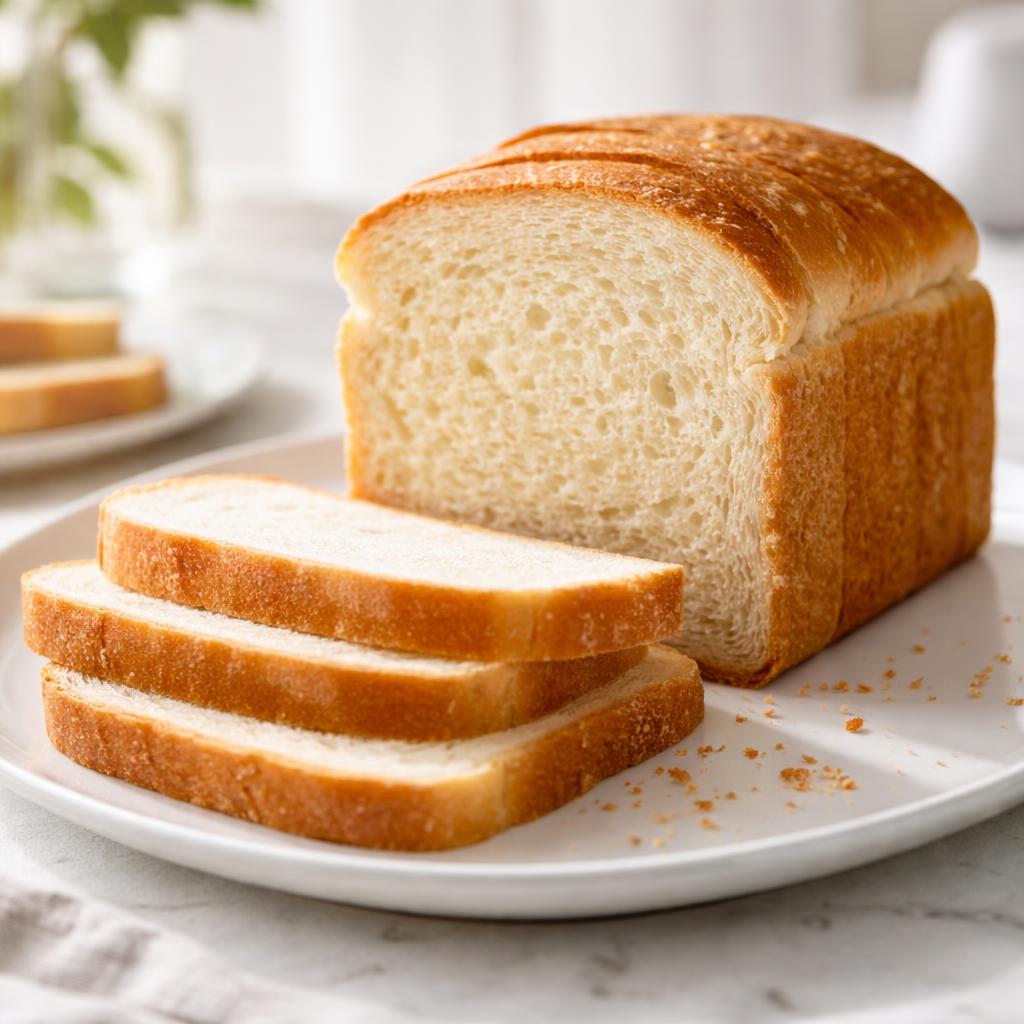
White Bread
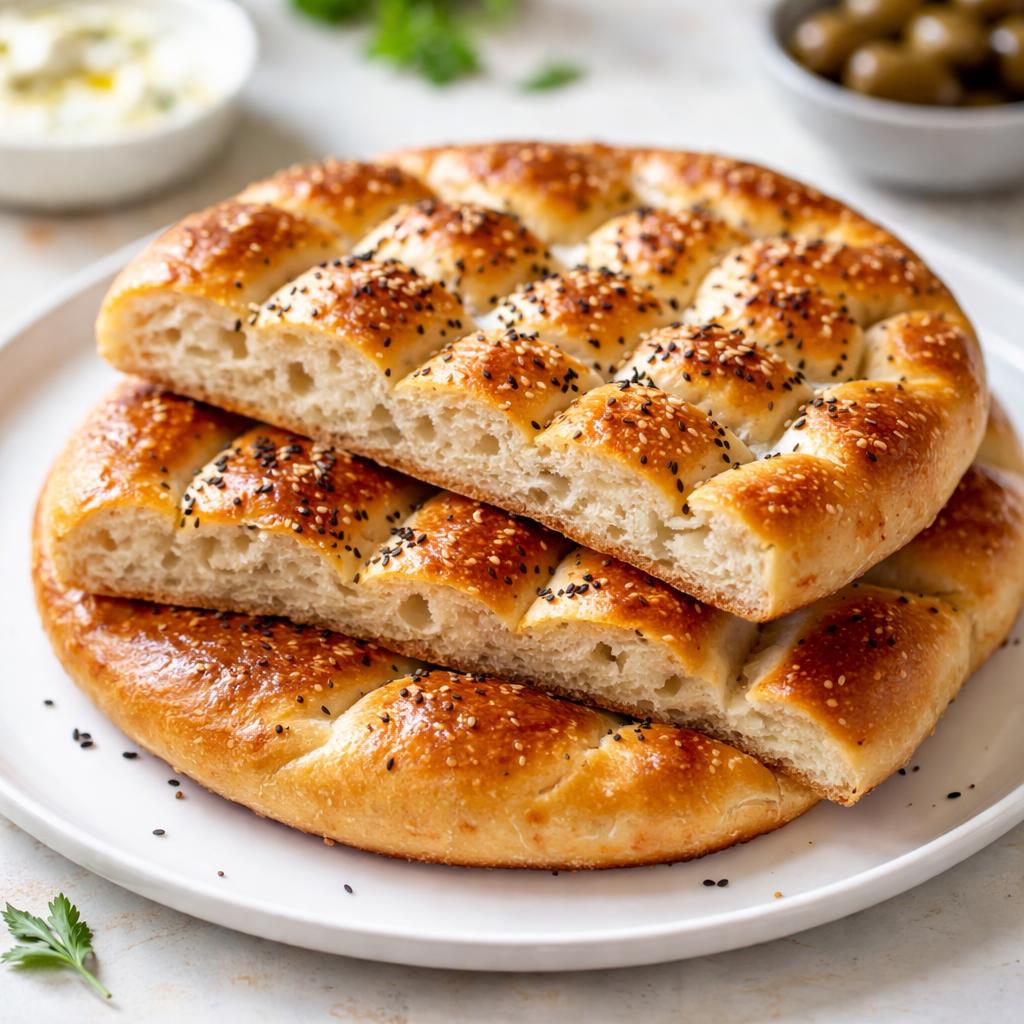
Turkish Bread
🎯 Quick Verdict
Turkish bread and white bread differ significantly in their nutritional profiles. Turkish bread provides more protein and fiber, making it slightly denser nutritionally, while white bread is lower in calories but less nutrient-rich overall. Turkish bread is a better choice for those seeking more sustained energy and a balanced diet, whereas white bread may suit lighter calorie needs or quick energy boosts.

Smart Nutrition Tracking with SnapCalorie

📊 Nutritional Comparison
Macronutrients
| Nutrient | Food 1 | Food 2 | Winner |
|---|---|---|---|
| Calories | 80 per slice (38g) | 120 per 50g serving | ✓ |
| Protein | 2g per slice | 5g per serving | ✓ |
| Carbs | 15g per slice | 21g per serving | ✓ |
| Fat | 0.8g per slice | 3g per serving | ✓ |
| Fiber | 0.5g per slice | 1.2g per serving | ✓ |
Vitamins & Minerals
| Nutrient | Food 1 | Food 2 | Winner |
|---|---|---|---|
| Vitamin B1 (Thiamin) | 0.1mg per slice | 0.2mg per serving | ✓ |
| Iron | 0.6mg per slice | 0.9mg per serving | ✓ |
| Calcium | 3mg per slice | 10mg per serving | ✓ |
🏆 Category Winners
Protein
Turkish bread provides 2.5x more protein per serving compared to white bread.
Fiber
Turkish bread contains more than twice the fiber content, promoting better digestion.
Calories
White bread has 33% fewer calories per serving, ideal for reducing calorie intake.
Vitamins
Turkish bread has higher levels of essential nutrients like iron and thiamin.
🥗 Diet Compatibility
Keto
Food 1: Not Compatible
Food 2: Not Compatible
Both breads are high in carbohydrates, which do not align with keto dietary goals.
Vegan
Food 1: Compatible
Food 2: Compatible
Both breads are plant-based and suitable for vegan diets.
Gluten Free
Food 1: Not Compatible
Food 2: Not Compatible
Both breads are made using gluten-containing wheat flour.
Paleo
Food 1: Not Compatible
Food 2: Not Compatible
Breads and grains are not part of paleo dietary guidelines.
Low-Carb
Food 1: Not Compatible
Food 2: Not Compatible
Both breads contain a significant amount of carbohydrates and are not suitable for low-carb diets.
💪 Health Benefits Comparison
Food 1 Benefits
- Provides quick energy due to high carbohydrate content
- Lower calorie option for lighter meals or snacks
- May serve as a neutral base for meals
Food 2 Benefits
- Higher protein content supports muscle maintenance
- Rich in fiber for better digestive health
- Contains more iron for improved oxygen transport in the body
- Provides sustained energy due to its denser nutritional profile
✅ The Bottom Line
Choose Turkish bread when looking for more protein, fiber, and sustained energy from your bread, as it is nutritionally denser. White bread is better suited for lighter calorie needs or quick energy boosts but lacks significant nutritional benefits overall.
Choose Food 1 for: Light snacks, lower-calorie diets, quick energy
Choose Food 2 for: Balanced diets, sustained energy, muscle growth


