White Bread VS Seeded Bread
A detailed nutritional comparison
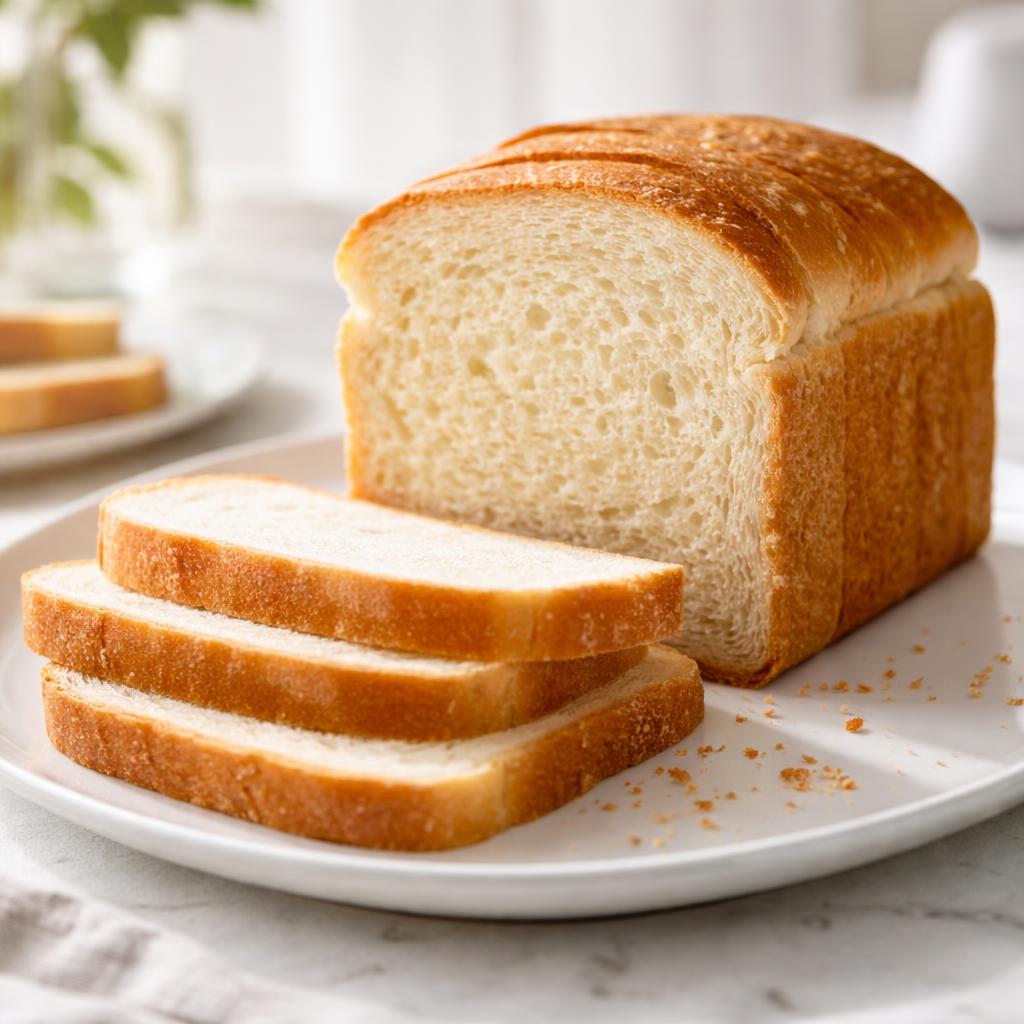
White Bread
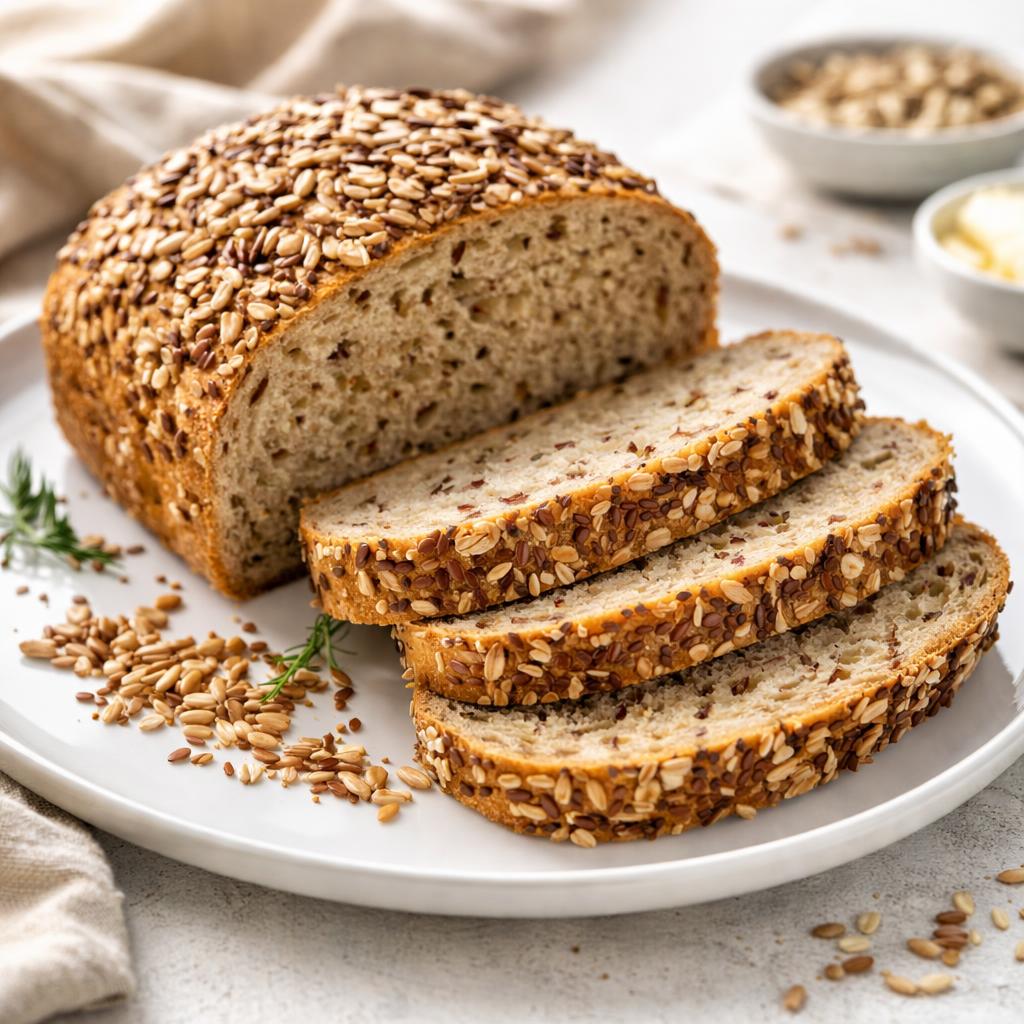
Seeded Bread
🎯 Quick Verdict
Seeded bread is nutritionally superior to white bread due to its higher protein, fiber, and micronutrient content. White bread is lower in calories and may be suitable for diets requiring easily digestible, low-fiber options. Seeded bread is a better choice for sustained energy and nutrient density, while white bread fits into low-residue diets or as a simple carbohydrate source post-workout.

Smart Nutrition Tracking with SnapCalorie

📊 Nutritional Comparison
Macronutrients
| Nutrient | Food 1 | Food 2 | Winner |
|---|---|---|---|
| Calories | 75 per slice | 120 per slice | ✓ |
| Protein | 2g | 5g | ✓ |
| Carbs | 14g | 15g | ✓ |
| Fat | 0.7g | 4g | ✓ |
| Fiber | 0.7g | 3g | ✓ |
Vitamins & Minerals
| Nutrient | Food 1 | Food 2 | Winner |
|---|---|---|---|
| Vitamin B6 | 0.01mg | 0.1mg | ✓ |
| Magnesium | 5mg | 50mg | ✓ |
| Iron | 0.5mg | 1.5mg | ✓ |
| Zinc | 0.1mg | 0.7mg | ✓ |
🏆 Category Winners
Protein
Seeded bread has over double the protein content compared to white bread.
Fiber
Seeded bread provides 4x more fiber than white bread.
Calories
White bread has 37.5% fewer calories per slice.
Vitamins
Seeded bread is richer in magnesium, iron, and B-vitamins, offering more essential nutrients.
🥗 Diet Compatibility
Keto
Food 1: Not Compatible
Food 2: Not Compatible
Neither bread is low-carb enough for keto diets.
Vegan
Food 1: Compatible
Food 2: Compatible
Both breads are plant-based and free from animal products.
Gluten Free
Food 1: Not Compatible
Food 2: Not Compatible
Both options contain gluten-containing ingredients.
Paleo
Food 1: Not Compatible
Food 2: Not Compatible
Processed grains disqualify both for paleo diets.
Low-Carb
Food 1: Not Compatible
Food 2: Not Compatible
Both breads are higher in carbs than suitable for low-carb diets.
💪 Health Benefits Comparison
Food 1 Benefits
- Low in calories, making it suitable for weight management
- Easy to digest, ideal for low-residue diets or post-surgery recovery
- Simple carbohydrate source for quick energy
Food 2 Benefits
- High in fiber, supports digestion and gut health
- Rich in healthy fats from seeds, beneficial for heart health
- Contains higher protein levels for muscle repair and satiety
- Packed with minerals (magnesium, zinc, and iron) to support overall health
✅ The Bottom Line
Choose seeded bread for superior nutrition, including more protein, fiber, and minerals, ideal for sustained energy and digestive health. Opt for white bread when a lower-calorie or easily digestible option is needed, such as during certain health conditions or as a quick carbohydrate source.
Choose Food 1 for: Low-calorie diets, post-surgery recovery, quick energy needs
Choose Food 2 for: Heart health, digestion, nutrient-dense diets


