White Bread VS Pasta Shells
A detailed nutritional comparison
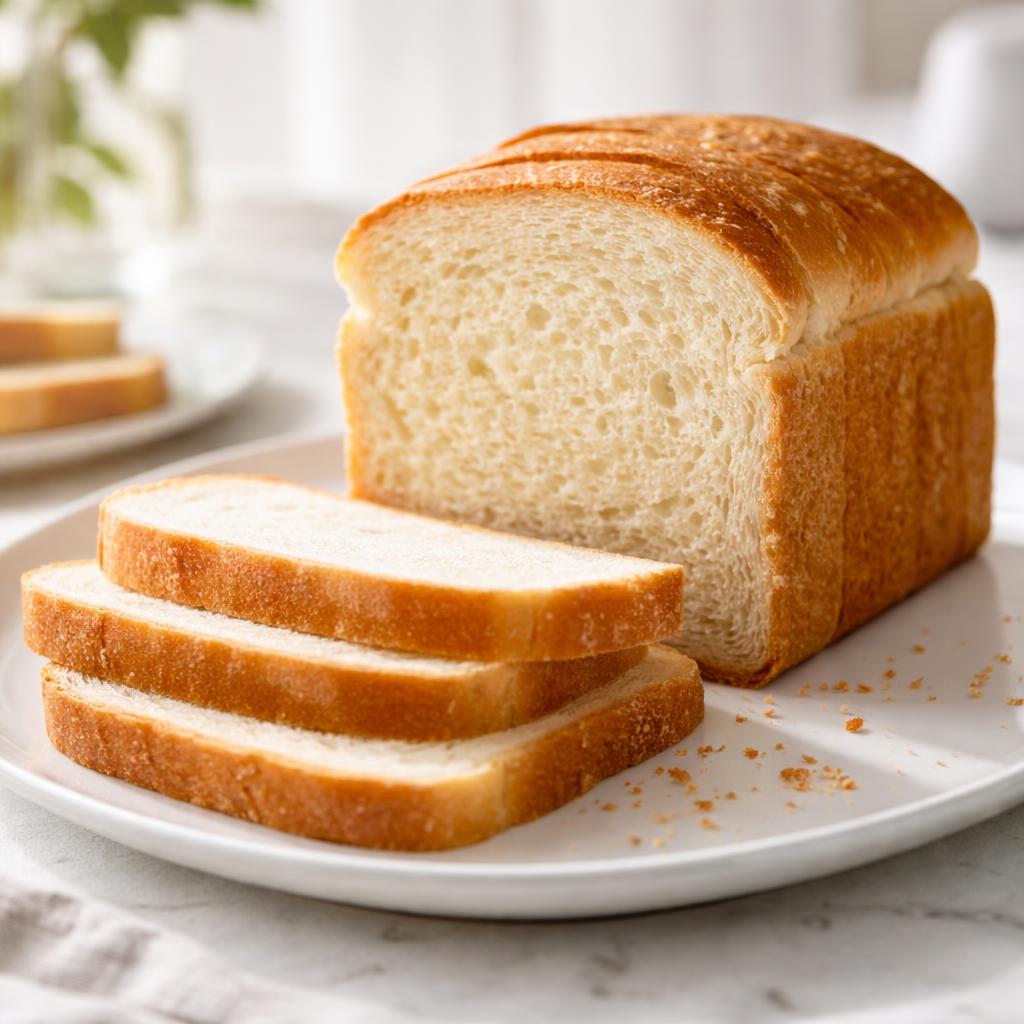
White Bread
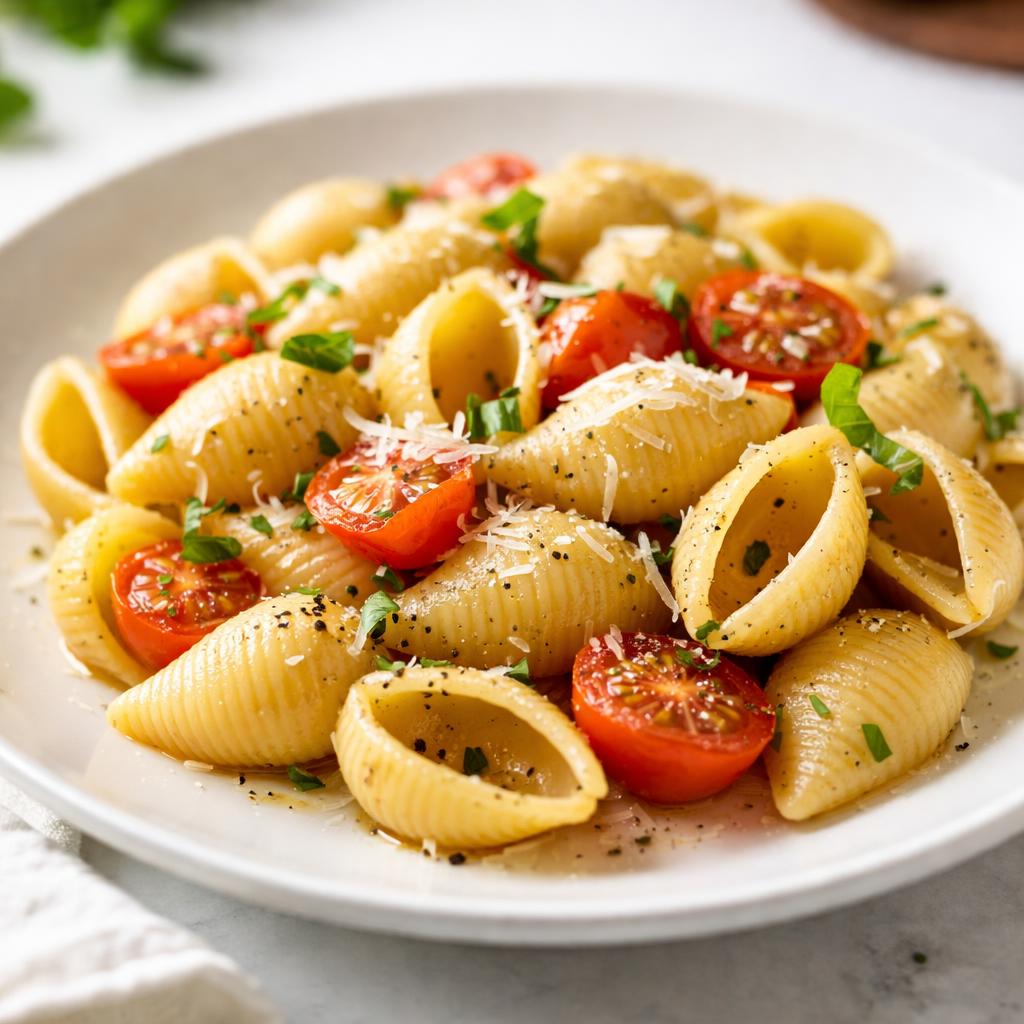
Pasta Shells
🎯 Quick Verdict
White bread and pasta shells differ in their nutritional profiles. Pasta shells provide more fiber and fewer calories, making them better for digestion and weight management. White bread is quicker to prepare but contains less fiber and has a higher glycemic index. Both can be valuable in specific diets depending on individual goals.

Smart Nutrition Tracking with SnapCalorie

📊 Nutritional Comparison
Macronutrients
| Nutrient | Food 1 | Food 2 | Winner |
|---|---|---|---|
| Calories | 265 per 100g | 131 per 100g | ✓ |
| Protein | 9g per 100g | 5g per 100g | − |
| Carbs | 49g per 100g | 25g per 100g | ✓ |
| Fat | 4g per 100g | 0.5g per 100g | ✓ |
| Fiber | 2g per 100g | 3g per 100g | ✓ |
Vitamins & Minerals
| Nutrient | Food 1 | Food 2 | Winner |
|---|---|---|---|
| Vitamin B1 (Thiamine) | 0.45mg per 100g | 0.21mg per 100g | ✓ |
| Iron | 3.6mg per 100g | 1.3mg per 100g | ✓ |
| Calcium | 120mg per 100g | 14mg per 100g | ✓ |
🏆 Category Winners
Protein
Both foods provide comparable levels of protein.
Fiber
Pasta shells contain 50% more dietary fiber per 100 grams.
Calories
Pasta shells have 50% fewer calories per gram than white bread.
Vitamins
White bread has higher levels of thiamine, iron, and calcium.
🥗 Diet Compatibility
Keto
Food 1: Not Compatible
Food 2: Not Compatible
Both foods are high in carbohydrates.
Vegan
Food 1: Compatible
Food 2: Compatible
Both are plant-based and do not contain animal products.
Gluten Free
Food 1: Not Compatible
Food 2: Not Compatible
Both foods contain gluten, unless specially made to be gluten-free.
Paleo
Food 1: Not Compatible
Food 2: Not Compatible
Neither food fits the paleo diet, which excludes processed grains.
Low Carb
Food 1: Not Compatible
Food 2: Compatible
Pasta shells have significantly lower carbohydrates than white bread.
💪 Health Benefits Comparison
Food 1 Benefits
- Rich in iron for red blood cell production
- Provides thiamine (Vitamin B1) for energy metabolism
- Source of calcium for bone health
Food 2 Benefits
- Higher fiber content aids digestive health
- Lower calorie option for weight management
- Minimal fat content suitable for heart-healthy diets
✅ The Bottom Line
White bread is ideal for quick meals and individuals needing higher iron or thiamine intake. Pasta shells are better for weight management, heart health, and digestive benefits due to fewer calories and higher fiber. Consider your dietary priorities when choosing between them.
Choose Food 1 for: Quick energy, high iron intake, convenience
Choose Food 2 for: Weight management, improved digestion, low-fat diets


