White Bread VS Japanese Rice
A detailed nutritional comparison
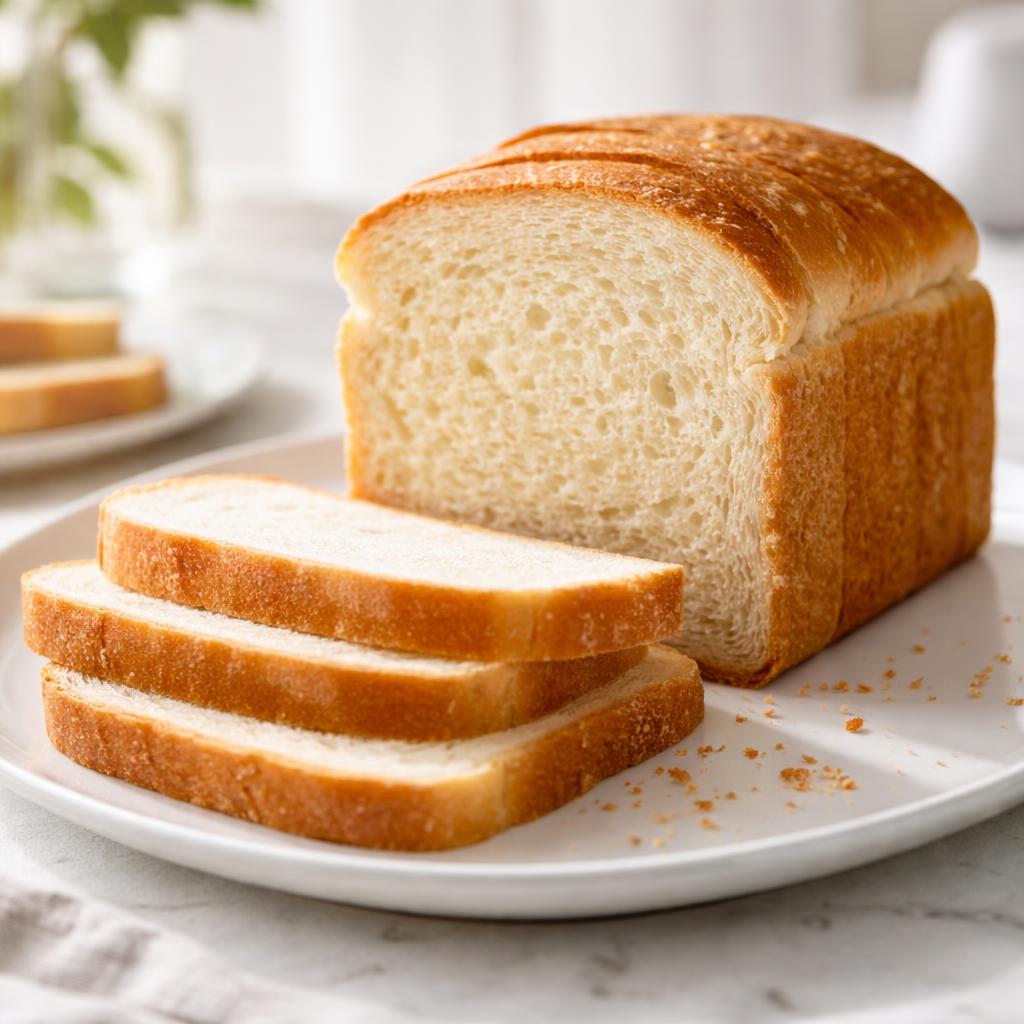
White Bread
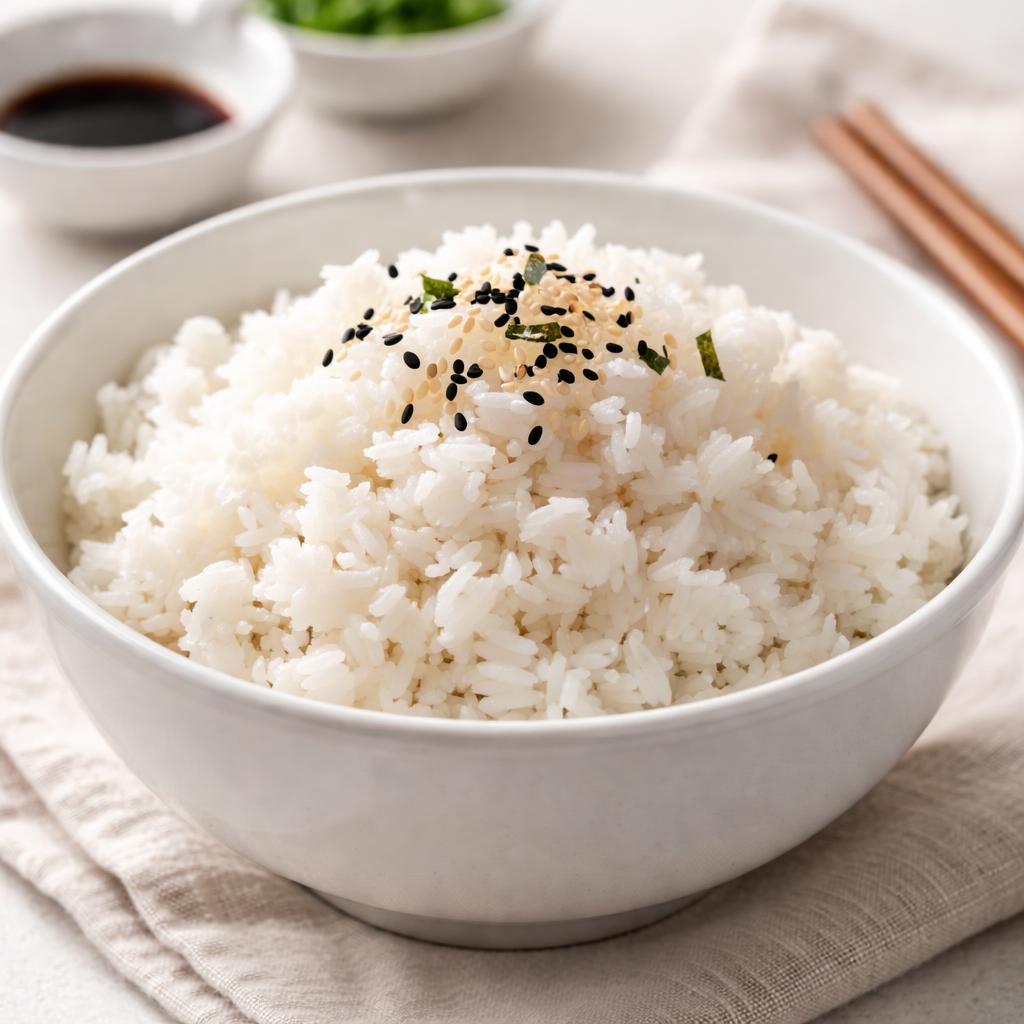
Japanese Rice
🎯 Quick Verdict
While both white bread and Japanese rice are carb-heavy staples, white bread edges out in protein (4g vs 2g per serving) and fiber (1.4g vs 0.3g per serving), but Japanese rice offers better micronutrient balance and is naturally gluten-free. White bread is often fortified, making it a convenient choice for general nutrient intake, whereas Japanese rice excels in providing clean, sustained energy for more balanced meals.

Smart Nutrition Tracking with SnapCalorie

📊 Nutritional Comparison
Macronutrients
| Nutrient | Food 1 | Food 2 | Winner |
|---|---|---|---|
| Calories | 80 | 80 | − |
| Protein | 4g | 2g | − |
| Carbs | 13.8g | 17.4g | − |
| Fat | 1g | 0.2g | − |
| Fiber | 1.4g | 0.3g | − |
Vitamins & Minerals
| Nutrient | Food 1 | Food 2 | Winner |
|---|---|---|---|
| Vitamin B6 | 0.04mg | 0.15mg | − |
| Calcium | 24mg | 3mg | − |
| Iron | 1.5mg | 0.2mg | − |
| Folate | 44mcg | 4mcg | − |
🏆 Category Winners
Protein
White bread contains double the protein per serving compared to Japanese rice.
Fiber
White bread provides approximately five times the fiber content of Japanese rice.
Calories
Both foods are equal in calories per a standard serving size (80 kcal).
Vitamins
White bread is fortified with nutrients such as folates, iron, and calcium, giving it micromineral advantages over Japanese rice.
🥗 Diet Compatibility
Keto
Food 1: Not Compatible
Food 2: Not Compatible
Neither food is low-carb enough to fit the keto diet.
Vegan
Food 1: Compatible
Food 2: Compatible
Both foods are plant-based and contain no animal-derived ingredients.
Gluten Free
Food 1: Not Compatible
Food 2: Compatible
Japanese rice is naturally gluten-free, whereas white bread contains wheat and gluten.
Paleo
Food 1: Not Compatible
Food 2: Compatible
White bread is processed, making it unsuitable for the paleo diet, but Japanese rice fits as a minimally processed grain in certain paleo variations.
Low Carb
Food 1: Not Compatible
Food 2: Not Compatible
Both foods are relatively high in carbohydrates and unsuitable for a strict low-carb diet.
💪 Health Benefits Comparison
Food 1 Benefits
- Fortified with essential nutrients like iron and folate for energy support.
- Provides quick digestible carbs, ideal for rapid energy replenishment.
- Source of protein compared to other staple carbs.
Food 2 Benefits
- Gluten-free, making it suitable for individuals with gluten sensitivities.
- Rich in Vitamin B6, aiding in energy metabolism and brain health.
- Offers a low-fat, clean energy source with minimal processing.
✅ The Bottom Line
White bread is suitable for those seeking convenient, nutrient-fortified options with more protein and fiber, making it ideal for sandwiches or quick meals. Japanese rice is a great choice for gluten-sensitive individuals, those preferring minimally processed foods, or meals requiring sustained energy, such as stir-fries or sushi.
Choose Food 1 for: Fortified nutrition, quick snacks, higher protein and fiber needs
Choose Food 2 for: Gluten-free diets, clean energy, traditional Asian-inspired dishes


