White Bread VS Homemade Bread
A detailed nutritional comparison
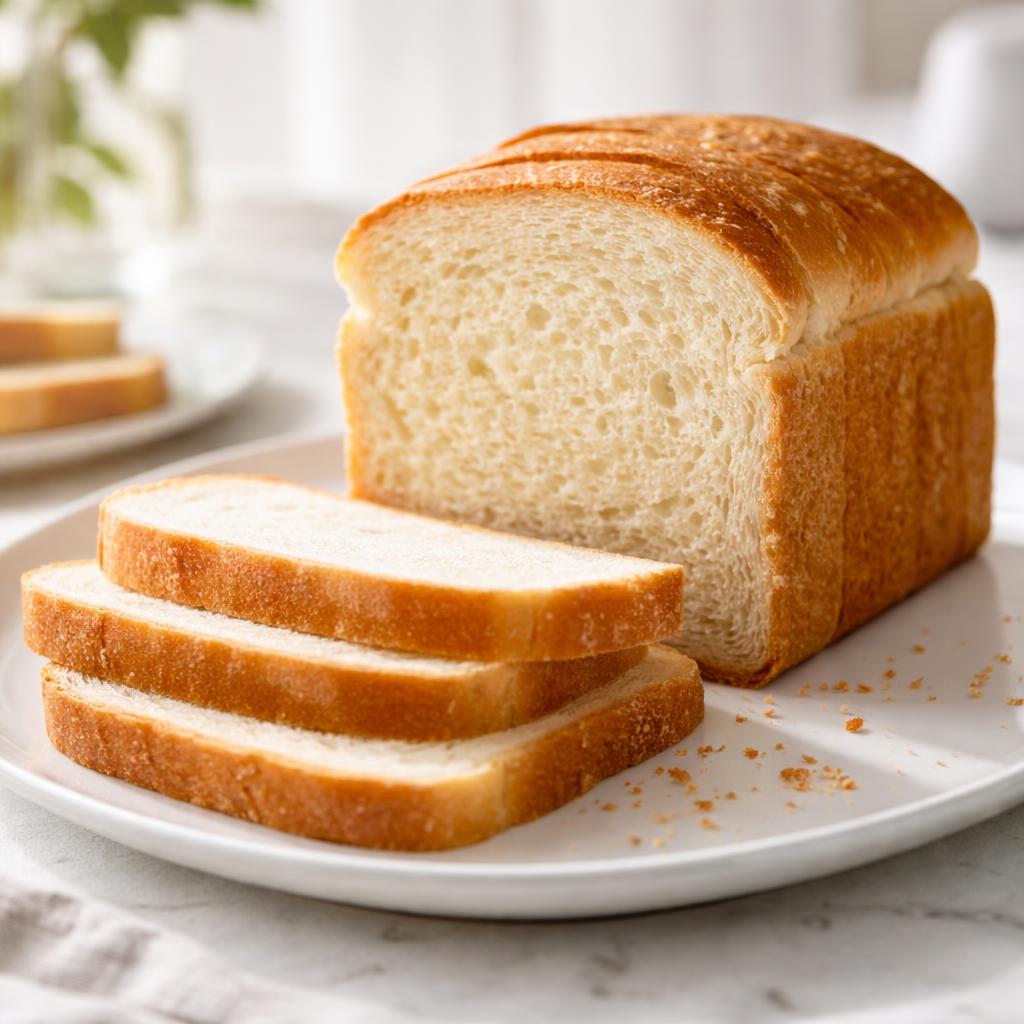
White Bread
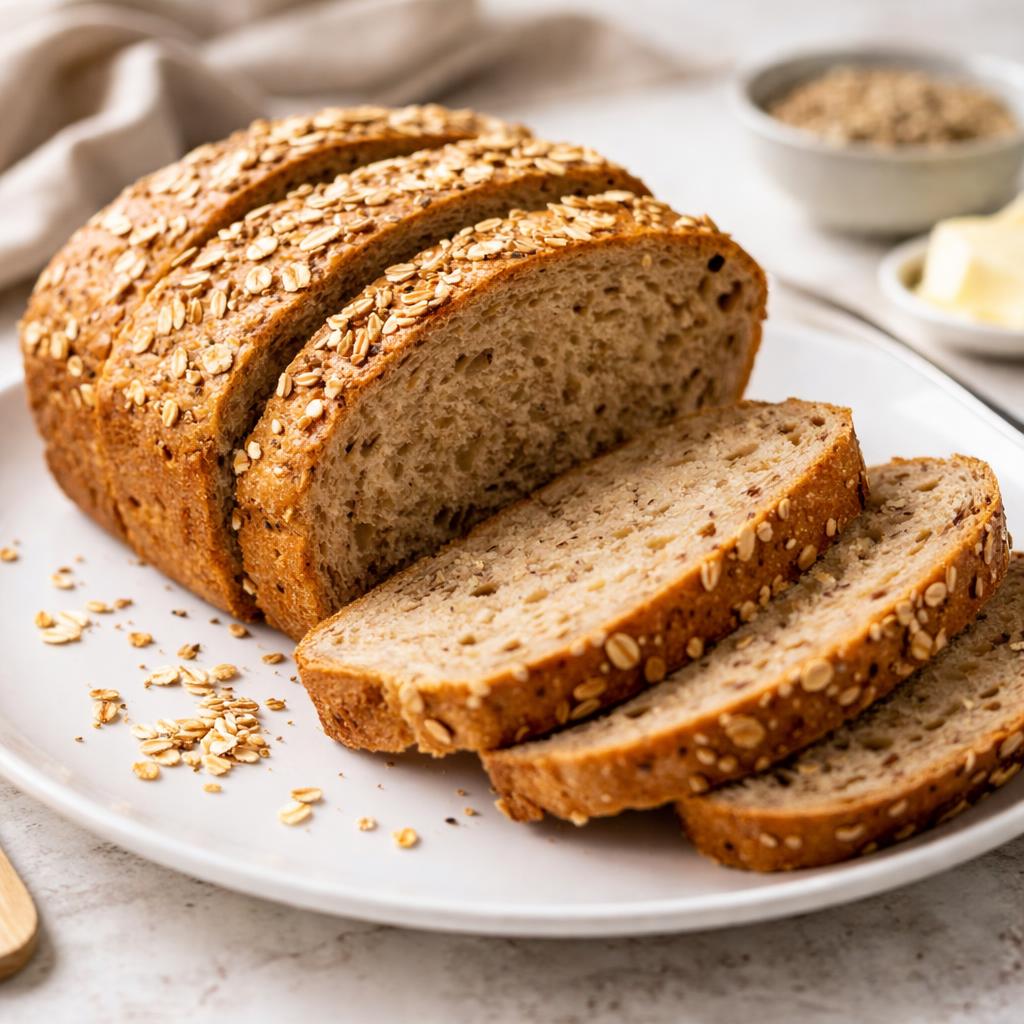
Homemade Bread
🎯 Quick Verdict
Homemade bread is generally healthier as it is less processed and often contains higher fiber content and fewer additives. White bread tends to be more calorie-dense and lower in nutrients. Homemade bread is better for nutrient density and digestion, while white bread is a quick, convenient option for high-carb energy needs.

Smart Nutrition Tracking with SnapCalorie

📊 Nutritional Comparison
Macronutrients
| Nutrient | Food 1 | Food 2 | Winner |
|---|---|---|---|
| Calories | 79 | 80 | − |
| Protein | 2.7g | 2.8g | − |
| Carbs | 14.7g | 15g | − |
| Fat | 0.7g | 0.8g | − |
| Fiber | 0.6g | 1.8g | − |
Vitamins & Minerals
| Nutrient | Food 1 | Food 2 | Winner |
|---|---|---|---|
| Vitamin B6 | 0.04mg | 0.1mg | − |
| Folate | 43mcg | 31mcg | − |
| Iron | 0.7mg | 1.2mg | − |
🏆 Category Winners
Protein
Both foods provide similar amounts of protein per serving.
Fiber
Homemade bread contains three times the fiber of white bread.
Calories
Both foods are almost equal in calorie content per serving.
🥗 Diet Compatibility
Keto
Food 1: Not Compatible
Food 2: Not Compatible
Both are high-carb foods unsuitable for a ketogenic diet.
Vegan
Food 1: Compatible
Food 2: Compatible
If dairy or eggs are not used in homemade bread, both are vegan-friendly.
Gluten Free
Food 1: Not Compatible
Food 2: Not Compatible
Both are made with wheat, which contains gluten.
Paleo
Food 1: Not Compatible
Food 2: Not Compatible
Paleo diets exclude grains like wheat, so neither food is allowed.
Low-Carb
Food 1: Not Compatible
Food 2: Not Compatible
Both are high in carbohydrates, making them unsuitable for low-carb diets.
💪 Health Benefits Comparison
Food 1 Benefits
- Quick source of energy from carbohydrates
- Fortified with folate, good for prenatal health
- Convenient and widely accessible
Food 2 Benefits
- Higher fiber content for better digestion
- No additives or preservatives, promoting clean eating
- Provides higher iron levels for improved oxygen transport
✅ The Bottom Line
While both breads can fit into a balanced diet, homemade bread is superior for those seeking a higher fiber intake and cleaner eating. White bread is better for quick carb energy and convenience.
Choose Food 1 for: Affordable meals, quick energy, convenience
Choose Food 2 for: Digestion, nutrient density, avoiding additives


