White Bread VS Cornbread Muffin
A detailed nutritional comparison
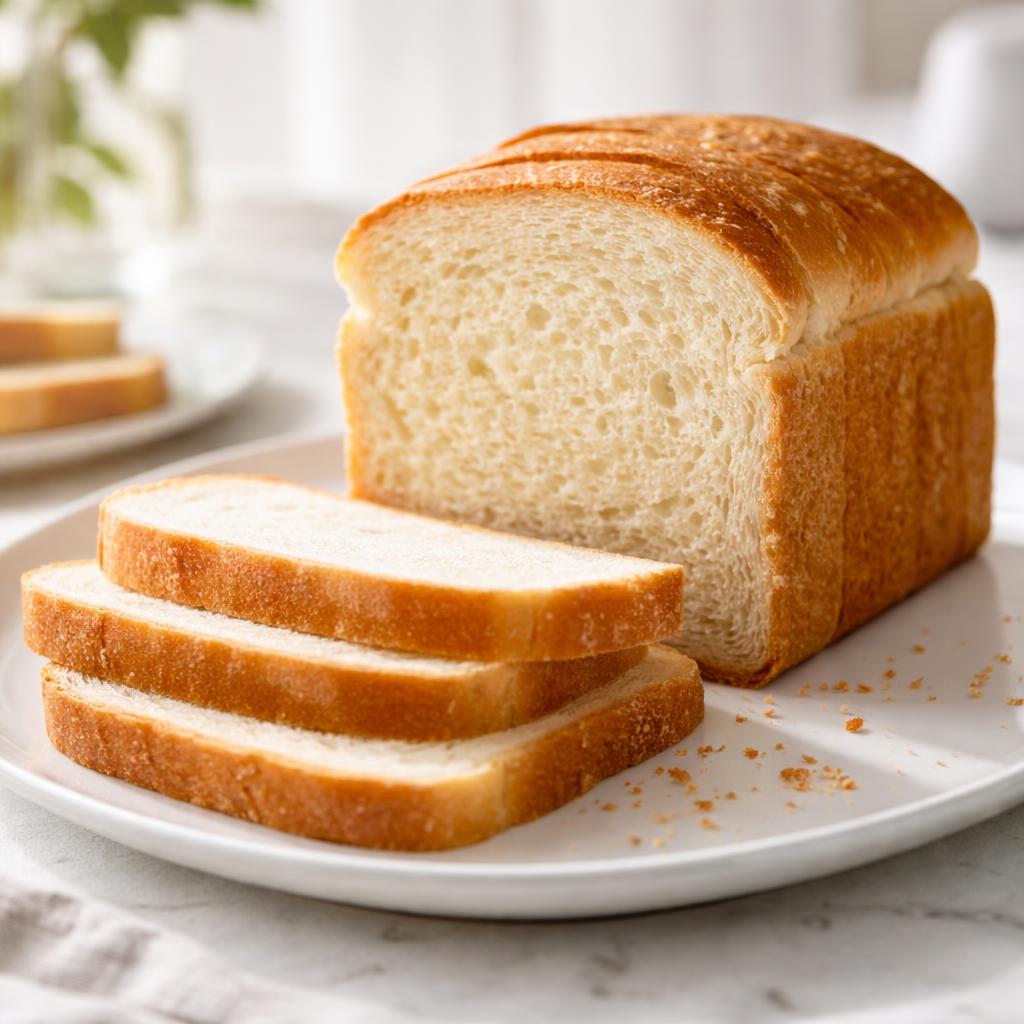
White Bread
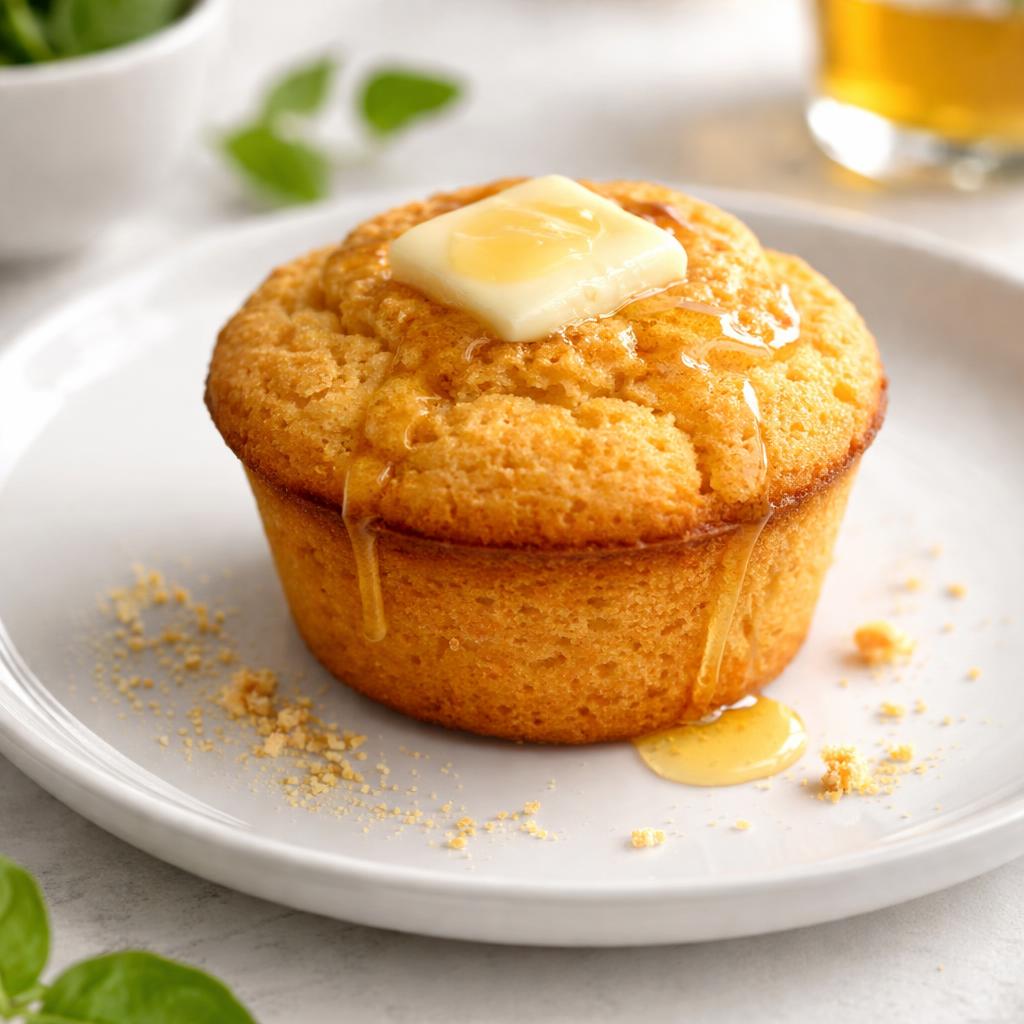
Cornbread Muffin
🎯 Quick Verdict
Cornbread muffin (food2) has higher protein and fiber content, making it more filling and nutrient-dense than white bread (food1). However, white bread is lower in calories, offering a lighter option for those managing calorie intake. White bread is best for quick energy needs, while cornbread muffins are ideal for more sustained energy due to their higher nutrient profile.

Smart Nutrition Tracking with SnapCalorie

📊 Nutritional Comparison
Macronutrients
| Nutrient | Food 1 | Food 2 | Winner |
|---|---|---|---|
| Calories | 79 | 201 | ✓ |
| Protein | 2.5g | 4g | ✓ |
| Carbs | 14g | 27g | ✓ |
| Fat | 0.8g | 7g | ✓ |
| Fiber | 0.7g | 1.5g | ✓ |
Vitamins & Minerals
| Nutrient | Food 1 | Food 2 | Winner |
|---|---|---|---|
| Vitamin D | 0mcg | 0mcg | − |
| Calcium | 30mg | 40mg | ✓ |
| Iron | 0.8mg | 1mg | ✓ |
🏆 Category Winners
Protein
Cornbread muffin has 60% more protein than white bread.
Fiber
Cornbread muffin provides over twice the fiber per serving.
Calories
White bread has less than half the calories of a cornbread muffin.
🥗 Diet Compatibility
Keto
Food 1: Not Compatible
Food 2: Not Compatible
Both foods are high in carbohydrates, making them unsuitable for keto diets.
Vegan
Food 1: Compatible
Food 2: Depends
White bread is generally vegan, while cornbread muffins may contain dairy or eggs depending on the recipe.
Gluten Free
Food 1: Not Compatible
Food 2: Depends
White bread contains gluten, while cornbread can be gluten-free if made with appropriate flour.
Paleo
Food 1: Not Compatible
Food 2: Not Compatible
Neither food is paleo-friendly due to their reliance on processed grains.
Low Carbohydrate
Food 1: Not Compatible
Food 2: Not Compatible
Both foods are high in carbs and unsuitable for low-carb diets.
💪 Health Benefits Comparison
Food 1 Benefits
- Quick source of energy due to high carbohydrate content
- Lower calorie option for weight management
- Commonly fortified with essential nutrients like iron
Food 2 Benefits
- Higher protein content supports muscle repair and growth
- Contains more fiber for better digestion
- Richer in healthy fats for sustained energy and satiety
✅ The Bottom Line
White bread is a low-calorie, quick energy source best for calorie-conscious diets or lighter meals. Cornbread muffins are nutrient-dense, with more protein and fiber, making them ideal for sustained energy and satiety. Choose white bread for weight loss strategies and cornbread muffins for higher nutrient content and longer-lasting energy.
Choose Food 1 for: Quick energy, low-calorie diets, light snacks
Choose Food 2 for: Sustained energy, nutrient-dense snacking, muscle repair


