White Bread VS Buttered Bread
A detailed nutritional comparison
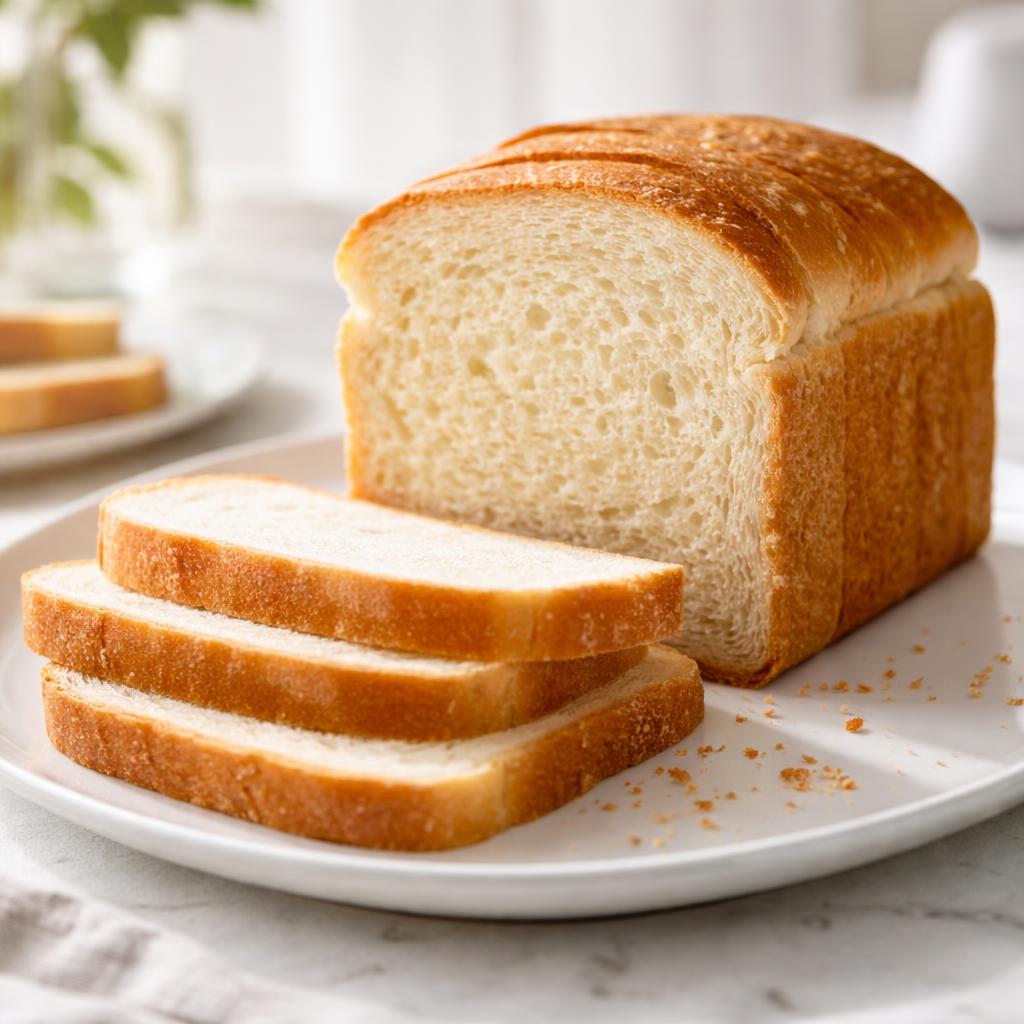
White Bread
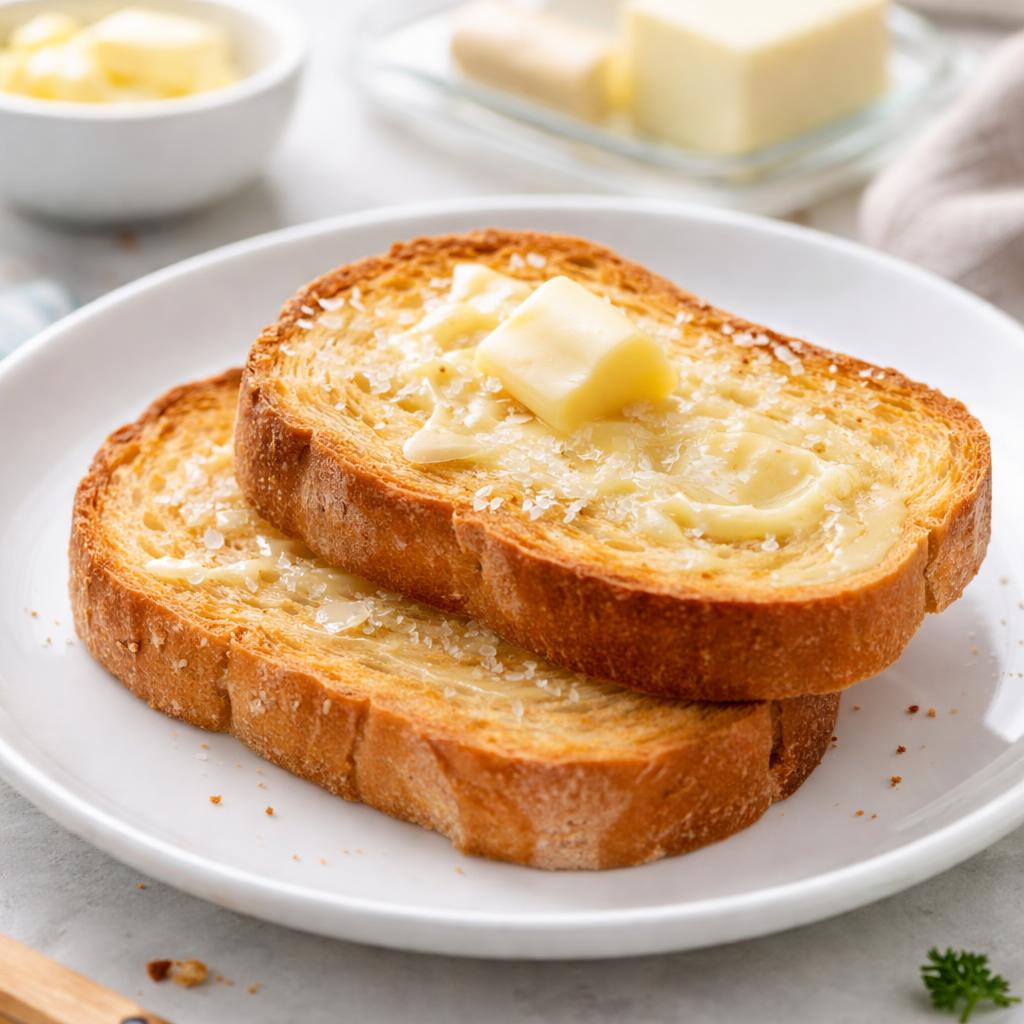
Buttered Bread
🎯 Quick Verdict
White bread has fewer calories and is higher in protein and fiber than buttered bread, making it a simpler option for weight management. Buttered bread, however, offers healthy fats and a richer nutrient profile, better suited for those seeking energy and enhanced flavor. Both foods are low in vitamins and minerals but cater to different dietary needs depending on goals like weight loss or energy density.

Smart Nutrition Tracking with SnapCalorie

📊 Nutritional Comparison
Macronutrients
| Nutrient | Food 1 | Food 2 | Winner |
|---|---|---|---|
| Calories | 80 | 140 | ✓ |
| Protein | 2g | 1g | ✓ |
| Carbs | 13g | 12g | ✓ |
| Fat | 1g | 7g | ✓ |
| Fiber | 1g | 0g | ✓ |
Vitamins & Minerals
| Nutrient | Food 1 | Food 2 | Winner |
|---|---|---|---|
| Vitamin D | 0mcg | 1mcg | ✓ |
| Calcium | 40mg | 20mg | ✓ |
| Iron | 0.6mg | 0.3mg | ✓ |
🏆 Category Winners
Protein
Food1 has double the protein per serving compared to food2.
Fiber
Food1 contains 1g of fiber, while food2 has none.
Calories
Food1 has 43% fewer calories per serving.
Vitamins
Food2 has vitamin D, while food1 does not.
🥗 Diet Compatibility
Keto
Food 1: Not Compatible
Food 2: Not Compatible
Both are high-carb due to bread.
Vegan
Food 1: Compatible
Food 2: Not Compatible
Food1 is plant-based, but food2 contains butter.
Gluten Free
Food 1: Not Compatible
Food 2: Not Compatible
Both contain gluten from bread.
Paleo
Food 1: Not Compatible
Food 2: Not Compatible
Bread and butter are not allowed on a paleo diet.
Low-Carb
Food 1: Not Compatible
Food 2: Not Compatible
Both foods have more than 10g of carbohydrates per serving.
💪 Health Benefits Comparison
Food 1 Benefits
- Low in calories for weight management
- Contains a small amount of fiber for digestion
- Provides modest amounts of protein
Food 2 Benefits
- Rich in healthy fats for sustained energy
- Contains vitamin D for bone health
- Improves flavor and increases satiety
✅ The Bottom Line
White bread is a better option for those prioritizing lower calories and fiber intake to aid digestion and weight loss. Buttered bread is more suited for individuals looking for energy density and flavor from healthy fats. Use white bread for simpler meals and buttered bread for a fuller, more indulgent snack.
Choose Food 1 for: Weight loss, basic meal prep, light snacks
Choose Food 2 for: Energy boost, indulgent snacks, flavor enhancement


