White Bread VS Bread Crumbs
A detailed nutritional comparison
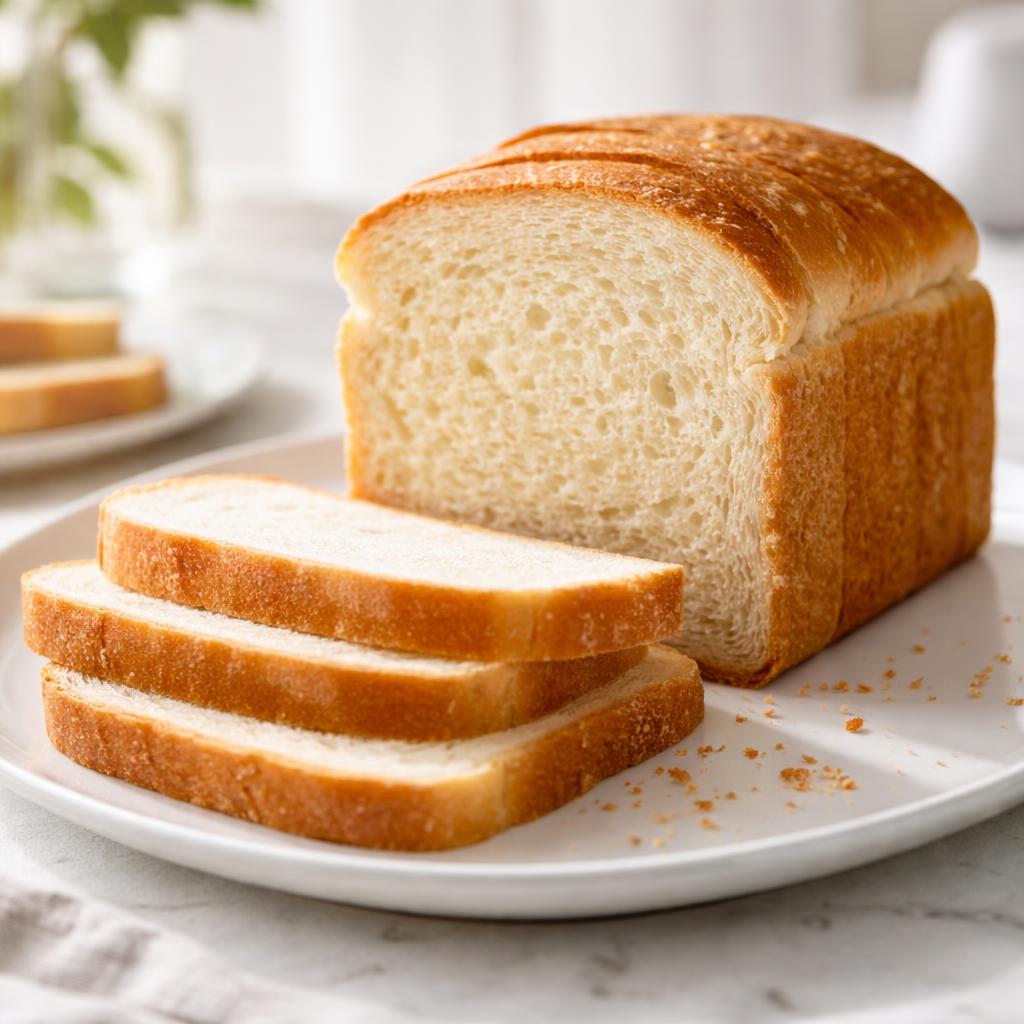
White Bread
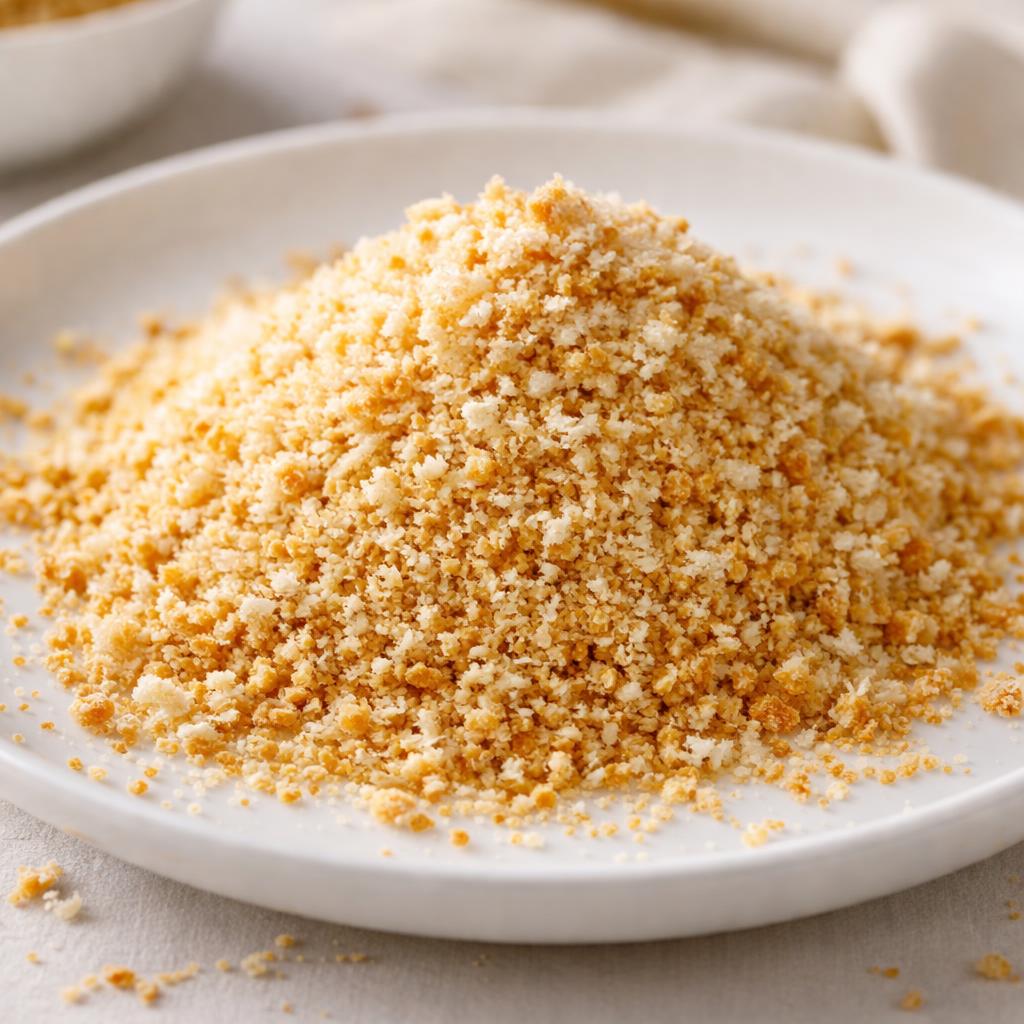
Bread Crumbs
🎯 Quick Verdict
White bread and bread crumbs have similar origins but differ nutritionally due to processing. Bread crumbs are lower in calories but higher in fiber, making them better suited for more nutrient-dense cooking applications. White bread offers mild versatility but falls short in fiber and calorie efficiency compared to bread crumbs.

Smart Nutrition Tracking with SnapCalorie

📊 Nutritional Comparison
Macronutrients
| Nutrient | Food 1 | Food 2 | Winner |
|---|---|---|---|
| Calories | 265 per slice (~43g) | 200 per 43g | ✓ |
| Protein | 7g | 7g | − |
| Carbs | 49g | 44g | ✓ |
| Fat | 3g | 3g | − |
| Fiber | 1g | 3g | ✓ |
Vitamins & Minerals
| Nutrient | Food 1 | Food 2 | Winner |
|---|---|---|---|
| Vitamin D | 0mcg | 0mcg | − |
| Calcium | 100mg | 80mg | ✓ |
| Iron | 2.8mg | 2.5mg | ✓ |
🏆 Category Winners
Protein
Both foods deliver 7g of protein per serving.
Fiber
Bread crumbs offer three times more fiber per serving than white bread.
Calories
Bread crumbs are 25% lower in calories compared to white bread.
🥗 Diet Compatibility
Keto
Food 1: Not Compatible
Food 2: Not Compatible
Both contain high carb content unsuitable for keto diets.
Vegan
Food 1: Compatible
Food 2: Compatible
Both are plant-based and suitable for vegans.
Gluten Free
Food 1: Not Compatible
Food 2: Not Compatible
Both contain gluten.
Paleo
Food 1: Not Compatible
Food 2: Not Compatible
Neither aligns with paleo due to grains used.
Low Carb
Food 1: Not Compatible
Food 2: Borderline Compatible
Bread crumbs are slightly lower in carbs but still not ideal for strict low-carb diets.
💪 Health Benefits Comparison
Food 1 Benefits
- Provides a quick carbohydrate source for energy
- Mild in flavor, versatile for various recipes
- Fortified with iron and calcium for basic nutrient needs
Food 2 Benefits
- Higher fiber content supports digestion
- Lower calorie density can aid in weight management
- Useful as a texture enhancer or coating for recipes, improving nutrient balance
✅ The Bottom Line
Choose bread crumbs for healthier cooking that prioritizes fiber and lower calorie intake. White bread works better for convenience and quick energy. Bread crumbs are better for nutrient-dense recipes, while white bread is suited for sandwiches and immediate carb sources.
Choose Food 1 for: Quick energy, sandwiches, mild recipes
Choose Food 2 for: Cooking, baking, weight-conscious meals


