Wheat Toast VS Steel Cut Oats
A detailed nutritional comparison
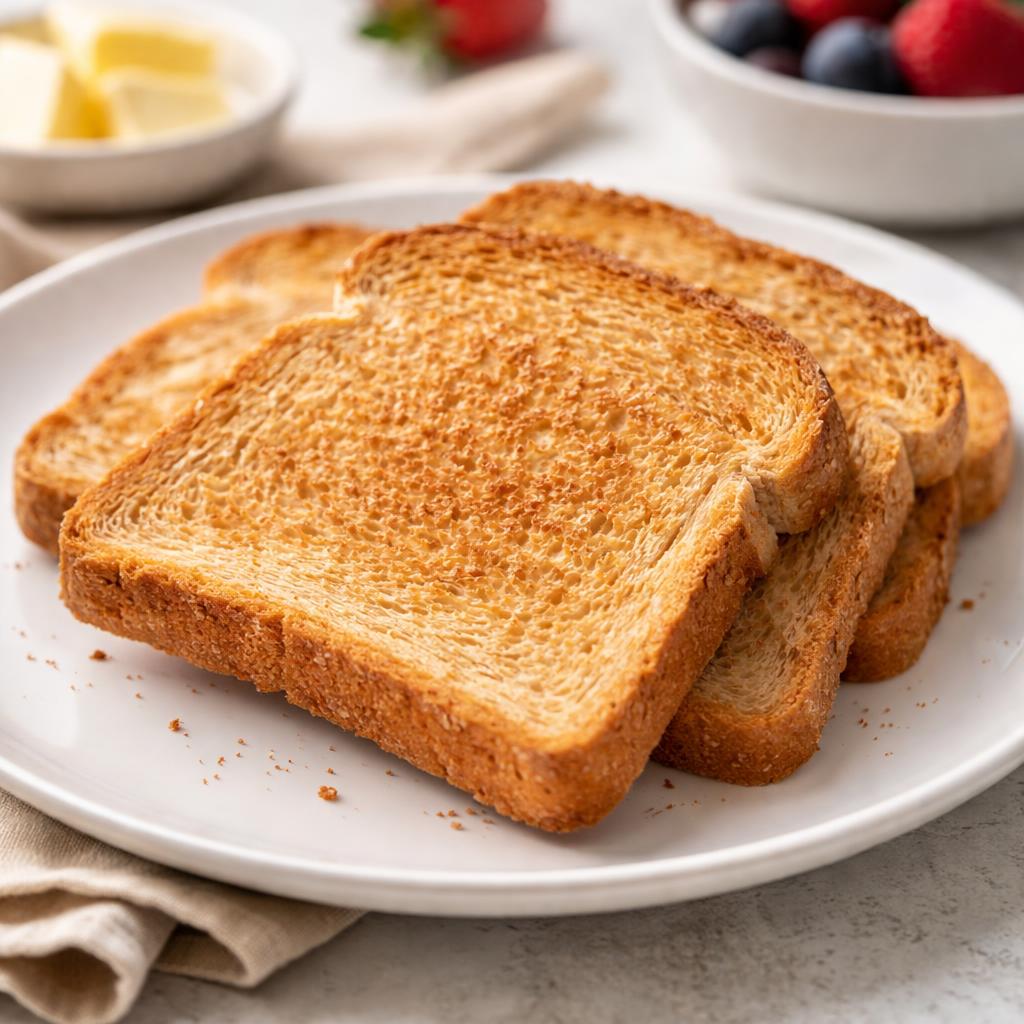
Wheat Toast
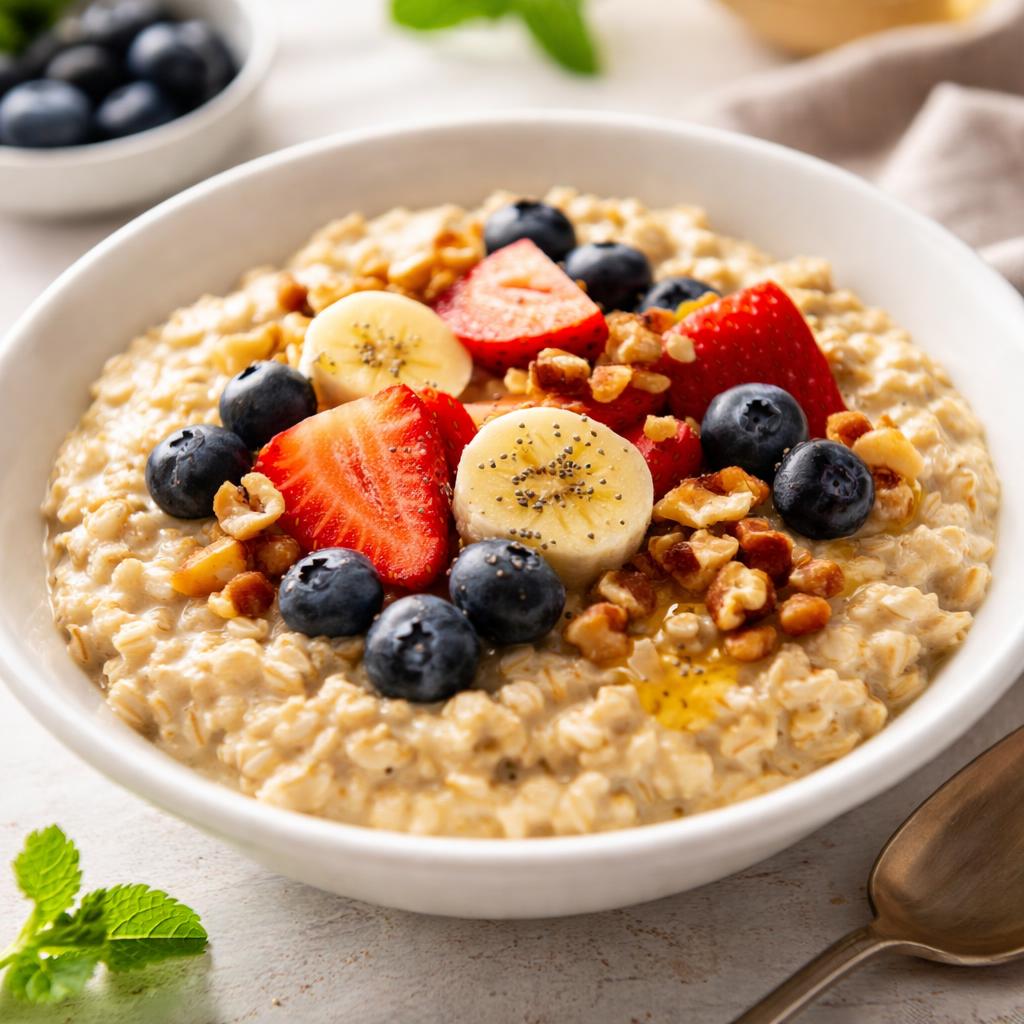
Steel Cut Oats
🎯 Quick Verdict
Steel cut oats are higher in fiber and nutrient density, making them better for sustained energy and digestive health. Wheat toast, on the other hand, is lower in calories and higher in protein, making it a quick option for weight-conscious individuals or post-workout refueling.

Smart Nutrition Tracking with SnapCalorie

📊 Nutritional Comparison
Macronutrients
| Nutrient | Food 1 | Food 2 | Winner |
|---|---|---|---|
| Calories | 125 | 170 | ✓ |
| Protein | 4g | 3.5g | ✓ |
| Carbs | 22g | 31g | ✓ |
| Fat | 1g | 2.5g | ✓ |
| Fiber | 1.5g | 4g | ✓ |
Vitamins & Minerals
| Nutrient | Food 1 | Food 2 | Winner |
|---|---|---|---|
| Vitamin B1 (Thiamine) | 0.18mg | 0.11mg | ✓ |
| Iron | 0.8mg | 2.1mg | ✓ |
| Magnesium | 16mg | 56mg | ✓ |
🏆 Category Winners
Protein
Wheat toast provides slightly higher protein content per serving.
Fiber
Steel cut oats deliver over two times the fiber, benefiting digestion.
Calories
Wheat toast contains fewer calories, helpful for weight management.
Vitamins
Steel cut oats are richer in minerals like iron and magnesium, boosting nutrient density.
🥗 Diet Compatibility
Keto
Food 1: Not Compatible
Food 2: Not Compatible
Both foods are high in carbs and unsuitable for the ketogenic diet.
Vegan
Food 1: Compatible
Food 2: Compatible
Both foods are plant-based and suitable for vegans.
Gluten Free
Food 1: Not Compatible
Food 2: Compatible
Wheat toast contains gluten, while steel cut oats can be gluten-free if certified.
Paleo
Food 1: Not Compatible
Food 2: Not Compatible
Both foods are processed grains, which are excluded from paleo diets.
Low-Carb
Food 1: Not Compatible
Food 2: Not Compatible
Both foods are high-carb options, unsuitable for low-carb diets.
💪 Health Benefits Comparison
Food 1 Benefits
- Lower in calories for weight management
- Higher protein content for muscle repair
- Contains some thiamine for energy metabolism
Food 2 Benefits
- High in fiber for improved digestion
- Rich in iron for oxygen transport
- Provides magnesium for bone health and relaxation
✅ The Bottom Line
Steel cut oats are ideal for sustained energy, better digestion, and overall nutrient density, while wheat toast is a convenient, lower-calorie option that works well for quick meals or post-workout recovery. Choose oats for long-lasting fullness and toast for light meals or easy preparation.
Choose Food 1 for: Weight management, post-workout protein boost, quick breakfast
Choose Food 2 for: Sustained energy, digestion support, nutrient-rich diet


