Wheat Toast VS Integral Bread
A detailed nutritional comparison
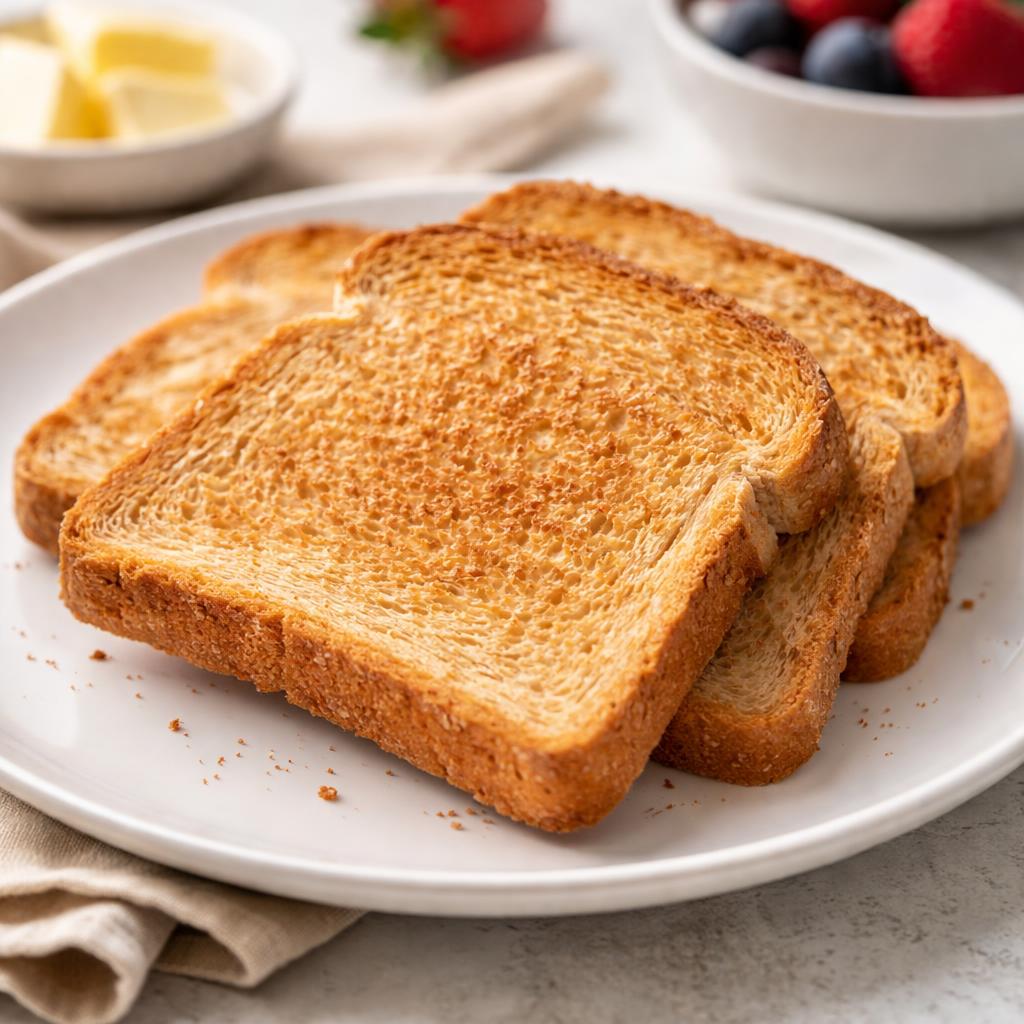
Wheat Toast
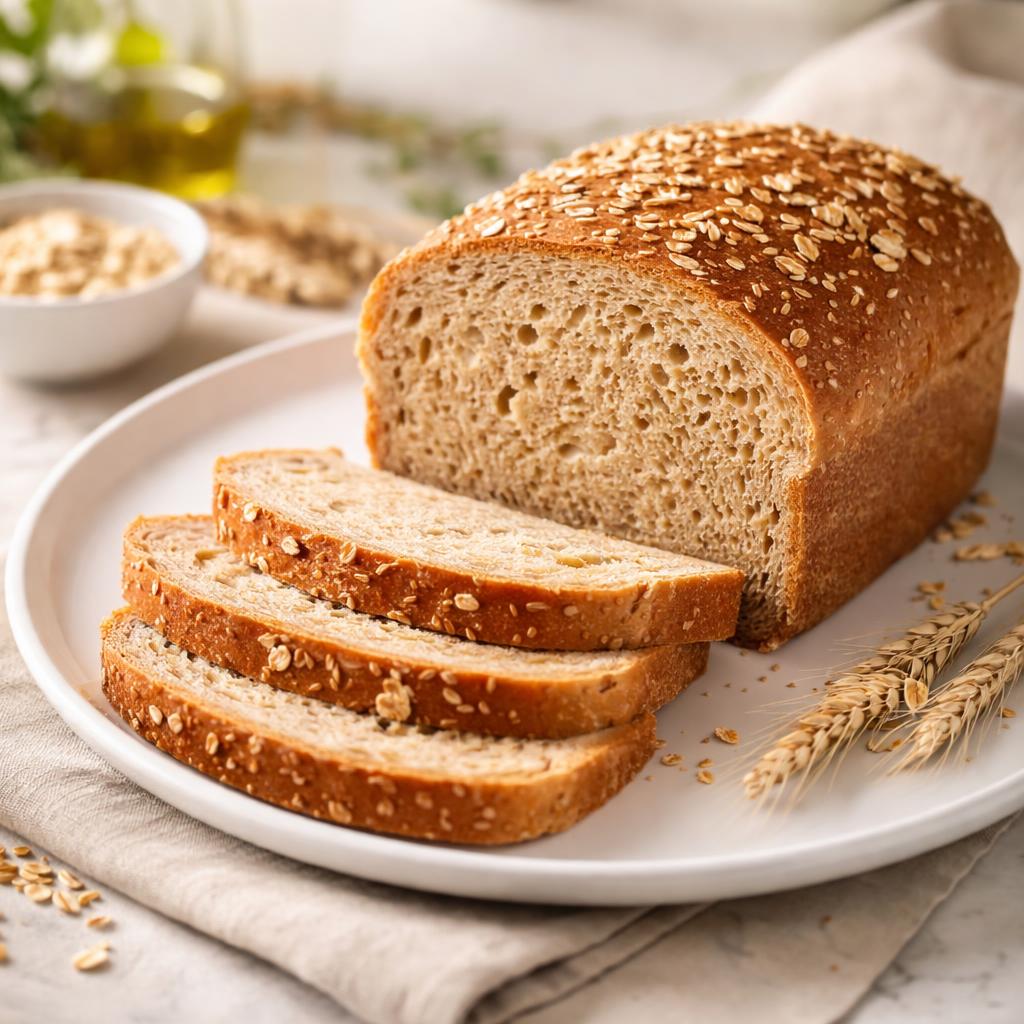
Integral Bread
🎯 Quick Verdict
Wheat toast and integral bread are nutritionally similar, but integral bread edges out for higher protein and fiber content, making it better for digestion and satiety. Wheat toast, however, has fewer calories, making it a lighter option for calorie-conscious individuals. Both are great choices for healthy diets depending on your goals.

Smart Nutrition Tracking with SnapCalorie

📊 Nutritional Comparison
Macronutrients
| Nutrient | Food 1 | Food 2 | Winner |
|---|---|---|---|
| Calories | 80 per slice | 95 per slice | ✓ |
| Protein | 4g per slice | 5g per slice | ✓ |
| Carbs | 15g per slice | 16g per slice | ✓ |
| Fat | 0.7g per slice | 1g per slice | ✓ |
| Fiber | 1.5g per slice | 2g per slice | ✓ |
Vitamins & Minerals
| Nutrient | Food 1 | Food 2 | Winner |
|---|---|---|---|
| Vitamin D | 0mcg | 0mcg | − |
| Calcium | 30mg | 40mg | ✓ |
| Iron | 0.6mg per slice | 0.9mg per slice | ✓ |
🏆 Category Winners
Protein
Integral bread has 25% more protein per slice.
Fiber
Integral bread delivers an extra 33% fiber per slice.
Calories
Wheat toast contains 15% fewer calories per slice.
🥗 Diet Compatibility
Keto
Food 1: Not Compatible
Food 2: Not Compatible
Both are relatively high in carbs (15-16g per slice).
Vegan
Food 1: Compatible
Food 2: Compatible
Both are free of animal-derived ingredients.
Gluten Free
Food 1: Not Compatible
Food 2: Not Compatible
Both contain wheat and are not suitable for gluten-free diets.
Paleo
Food 1: Not Compatible
Food 2: Not Compatible
Neither aligns with paleo principles due to grain content.
Low Carb
Food 1: Not Compatible
Food 2: Not Compatible
Neither is suitable for low-carb diets due to moderate carbohydrate levels.
💪 Health Benefits Comparison
Food 1 Benefits
- Lower-calorie option for weight management
- Provides moderate fiber for digestion
- Contains essential B vitamins for energy metabolism
Food 2 Benefits
- Higher fiber content supports gut health
- Good source of protein to support muscle repair
- Contains higher iron levels for oxygen transport in the body
- Higher calcium content for bone health
✅ The Bottom Line
Both wheat toast and integral bread are good options for inclusion in a balanced diet, depending on your specific goals. Wheat toast is better for lower-calorie meals, whereas integral bread is preferable for higher fiber and protein needs.
Choose Food 1 for: Low-calorie meals, quick breakfast, weight management
Choose Food 2 for: Gut health, muscle repair, nutrient-dense diets


