Wheat Bread VS Whole Wheat Toast
A detailed nutritional comparison
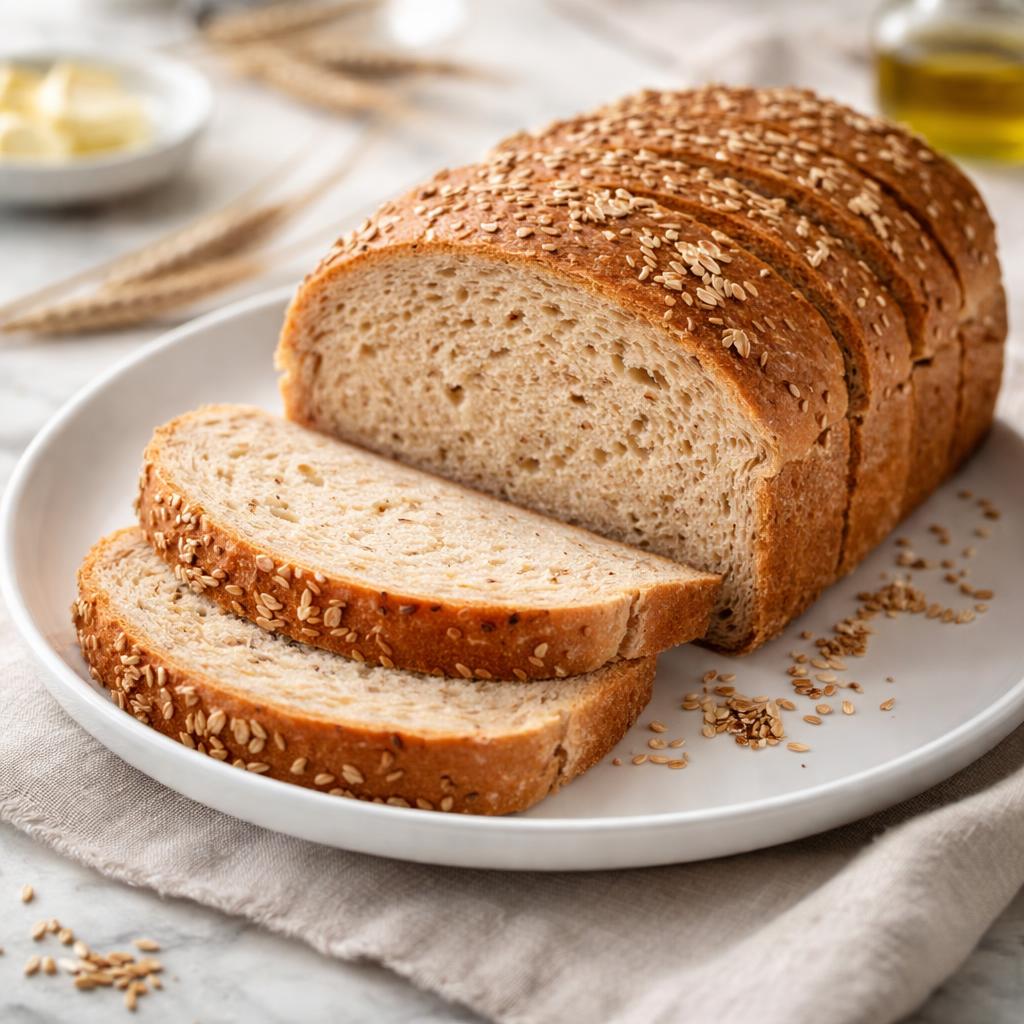
Wheat Bread
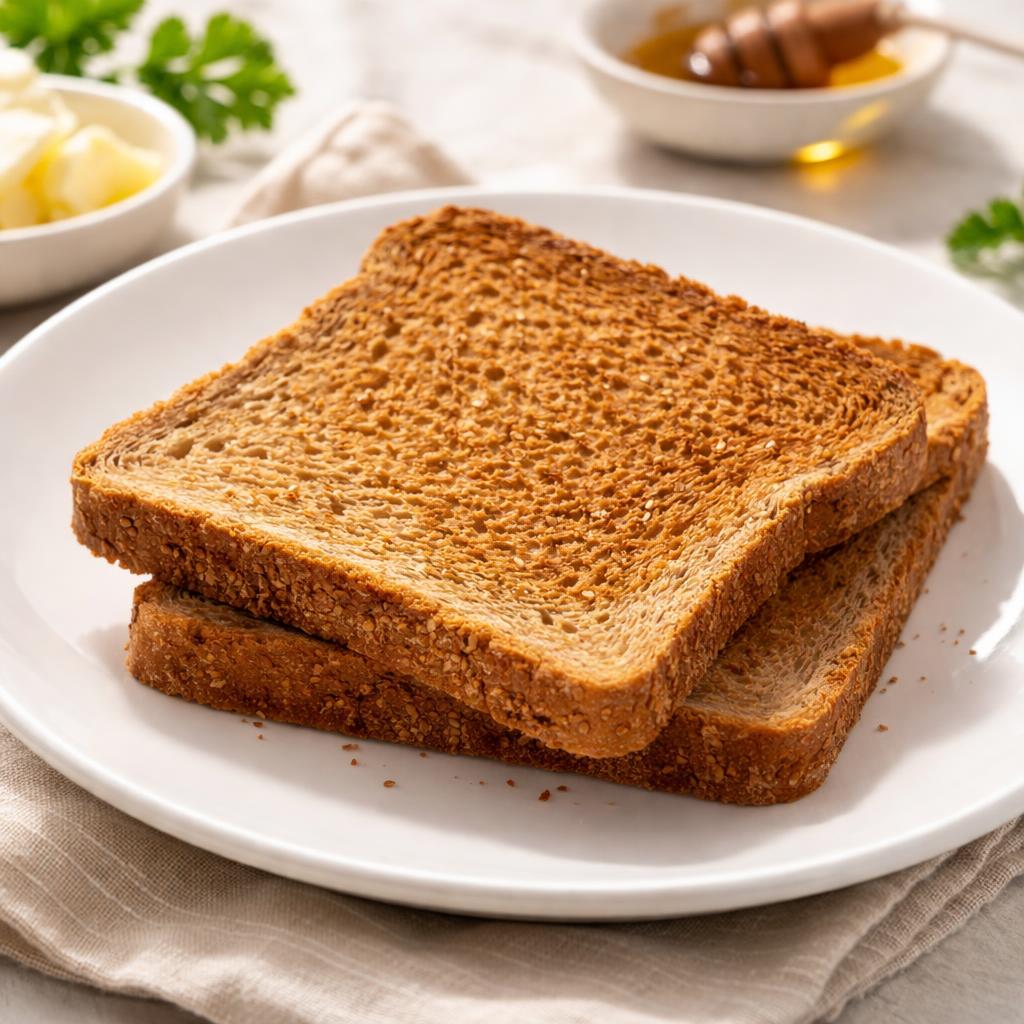
Whole Wheat Toast
🎯 Quick Verdict
Wheat bread and whole wheat toast are nutritionally very similar, as they are made from the same primary ingredient. Whole wheat toast offers slightly more fiber and a crisper texture due to the toasting process, potentially making it a better option for digestion and satiety. Both work well for general diets but should be avoided for low-carb approaches like keto.

Smart Nutrition Tracking with SnapCalorie

📊 Nutritional Comparison
Macronutrients
| Nutrient | Food 1 | Food 2 | Winner |
|---|---|---|---|
| Calories | 80 calories (per slice) | 80 calories (per slice) | − |
| Protein | 4g | 4g | − |
| Carbs | 15g | 15g | − |
| Fat | 1g | 1g | − |
| Fiber | 1.9g | 2.3g | ✓ |
Vitamins & Minerals
| Nutrient | Food 1 | Food 2 | Winner |
|---|---|---|---|
| Vitamin B6 | 0.05mg | 0.05mg | − |
| Magnesium | 15mg | 16mg | ✓ |
| Iron | 0.7mg | 0.8mg | ✓ |
🏆 Category Winners
Protein
Both provide 4g of protein per slice—ideal for basic protein needs.
Fiber
Whole wheat toast contains slightly more fiber (about 20% higher), aiding digestion.
Calories
Both are identical with 80 calories per slice.
Vitamins
Food2 has marginally higher levels of magnesium and iron.
🥗 Diet Compatibility
Keto
Food 1: Not Compatible
Food 2: Not Compatible
Both are high in carbohydrates (15g per slice).
Vegan
Food 1: Compatible
Food 2: Compatible
Neither contains animal products.
Gluten Free
Food 1: Not Compatible
Food 2: Not Compatible
Both contain wheat, which is a source of gluten.
Paleo
Food 1: Not Compatible
Food 2: Not Compatible
Both are processed grains, not suitable for paleo diets.
Low-Carb
Food 1: Not Compatible
Food 2: Not Compatible
Neither fits a low-carb diet due to high carb content.
💪 Health Benefits Comparison
Food 1 Benefits
- Provides sustained energy from complex carbohydrates
- Rich in B vitamins for energy metabolism
- Good source of iron for better oxygen transport
- Low-fat option suitable for weight maintenance
Food 2 Benefits
- Higher fiber content aids digestion and supports gut health
- Provides magnesium for muscle function and energy production
- Crunchy texture may improve satiety and enjoyment
- Iron content supports immune system efficiency
✅ The Bottom Line
Both wheat bread and whole wheat toast are excellent sources of sustained energy and essential nutrients. Choose wheat bread for softer textures and ease of pairing with spreads or toppings, while whole wheat toast serves as a better option for digestion due to its higher fiber content and crunchy profile.
Choose Food 1 for: Sandwiches, general diets, quick breakfast with spreads
Choose Food 2 for: Digestive health, high-fiber diets, as crunchy toast in meals


