Wheat Bread VS Sourdough Bread
A detailed nutritional comparison
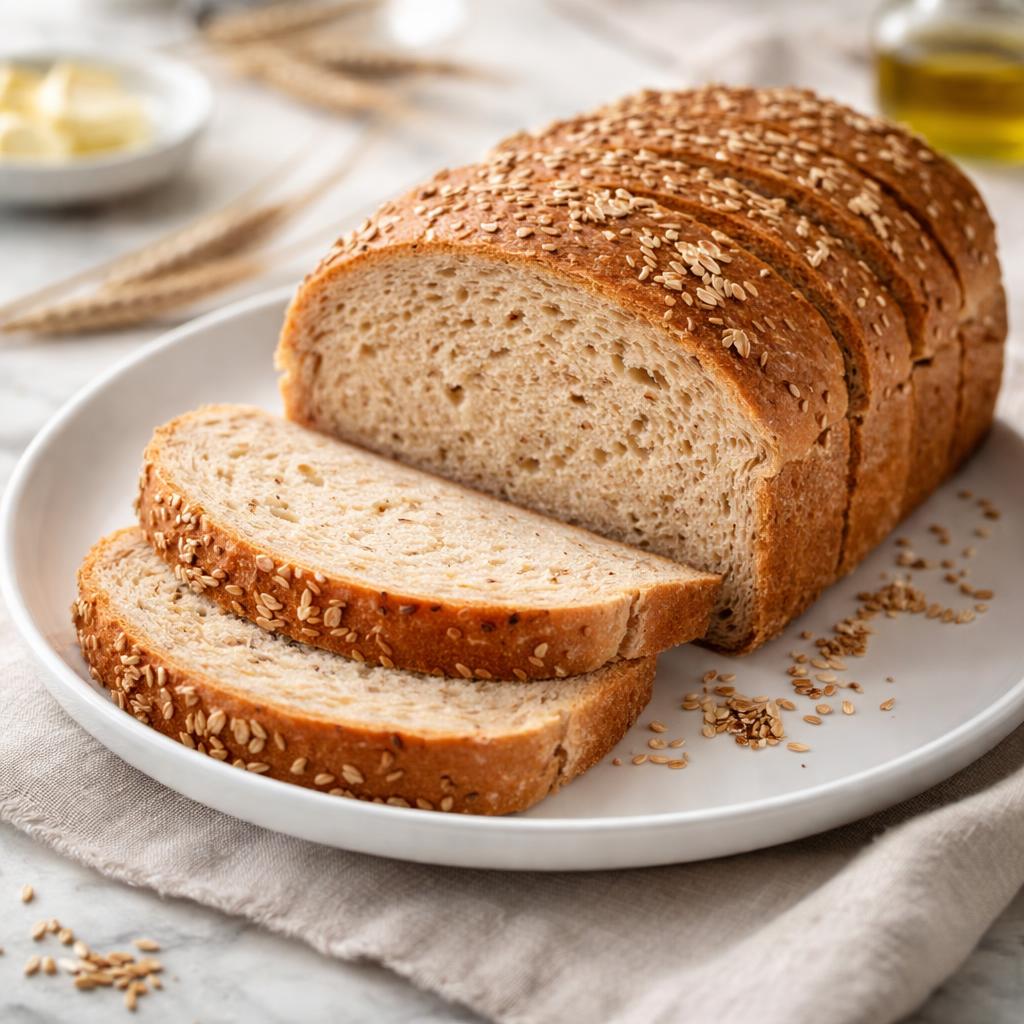
Wheat Bread

Sourdough Bread
🎯 Quick Verdict
Wheat bread is higher in protein, fiber, and overall nutrients, making it ideal for those seeking a more nutrient-dense option. Sourdough bread, on the other hand, is easier to digest due to natural fermentation and may offer enhanced gut health benefits. Each bread serves unique dietary needs depending on your goals, such as weight management or digestive health.

Smart Nutrition Tracking with SnapCalorie

📊 Nutritional Comparison
Macronutrients
| Nutrient | Food 1 | Food 2 | Winner |
|---|---|---|---|
| Calories | 80 per slice | 110 per slice | ✓ |
| Protein | 4g | 3g | ✓ |
| Carbs | 14g | 20g | ✓ |
| Fat | 1g | 1.2g | ✓ |
| Fiber | 3g | 1.5g | ✓ |
Vitamins & Minerals
| Nutrient | Food 1 | Food 2 | Winner |
|---|---|---|---|
| Vitamin D | 0mcg | 0mcg | − |
| Calcium | 35mg | 20mg | ✓ |
| Iron | 1mg | 0.5mg | ✓ |
| Potassium | 105mg | 90mg | ✓ |
🏆 Category Winners
Protein
Wheat bread has 33% more protein per slice.
Fiber
Wheat bread contains 100% more fiber, aiding digestion and satiety.
Calories
Wheat bread has approximately 27% fewer calories per serving.
Vitamins
Wheat bread generally offers higher levels of essential minerals like calcium and iron.
🥗 Diet Compatibility
Keto
Food 1: Not Compatible
Food 2: Not Compatible
Both breads are high in carbs and unsuitable for keto diets.
Vegan
Food 1: Compatible
Food 2: Compatible
Both breads are plant-based and vegan-friendly.
Gluten Free
Food 1: Not Compatible
Food 2: Not Compatible
Both contain gluten and are unsuitable for gluten-free diets.
Paleo
Food 1: Not Compatible
Food 2: Not Compatible
Bread is not allowed on the paleo diet due to grains.
Low-Carb
Food 1: Not Compatible
Food 2: Not Compatible
Both breads are relatively high in carbohydrates.
💪 Health Benefits Comparison
Food 1 Benefits
- High in fiber, supporting digestion and reducing cholesterol levels.
- Higher protein content, aiding muscle maintenance and satiety.
- Good source of essential minerals like iron and calcium for bone and blood health.
Food 2 Benefits
- Fermented bread that may enhance gut health and digestion.
- Lower glycemic index compared to wheat bread, helping with blood sugar control in some cases.
- Contains beneficial antioxidants from the fermentation process.
✅ The Bottom Line
Choose wheat bread when nutrition density, protein, and fiber are priorities for general health, weight loss, or muscle recovery. Opt for sourdough bread when digestion and gut health are a concern or if a lower glycemic index is preferable.
Choose Food 1 for: Weight management, general nutrition, high-fiber diets
Choose Food 2 for: Gut health, lower glycemic index diets, balanced energy


