Wheat Bread VS Rice With Vegetables And Meat
A detailed nutritional comparison
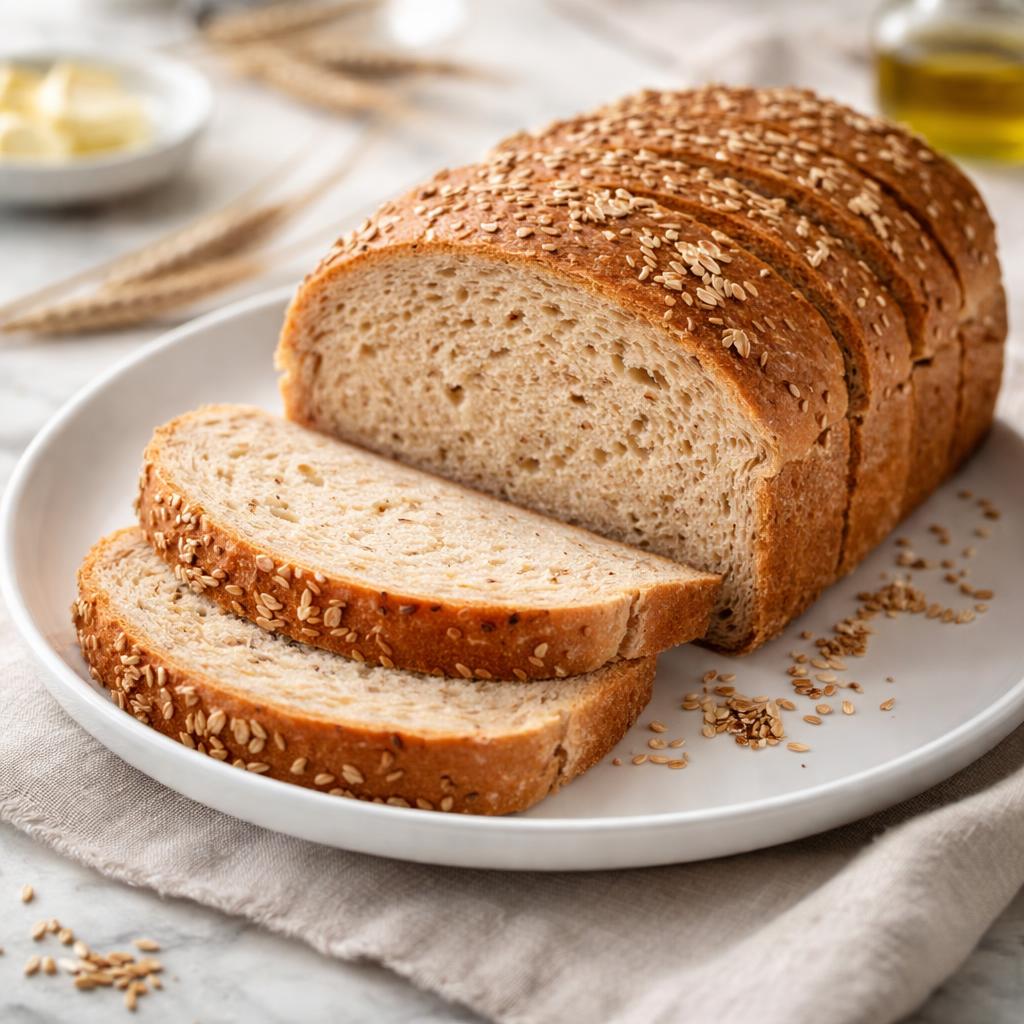
Wheat Bread
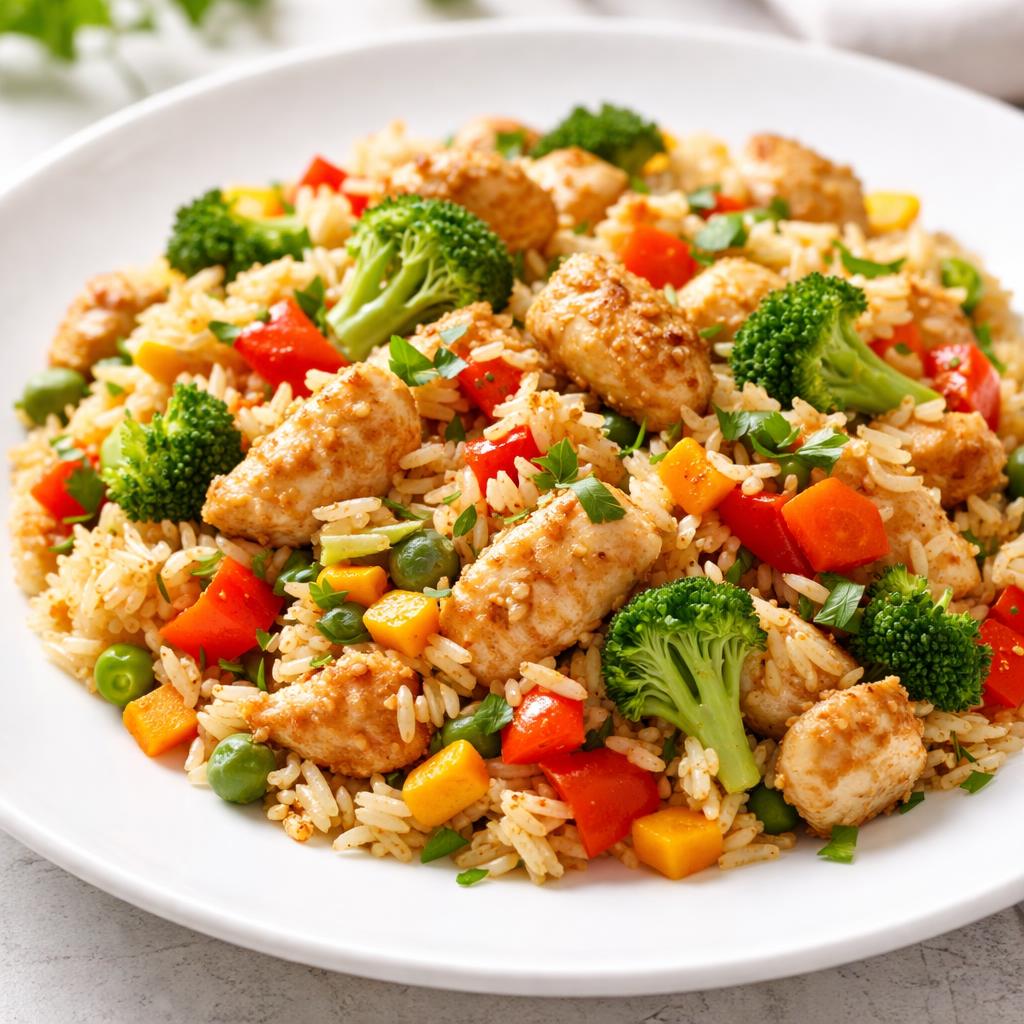
Rice With Vegetables And Meat
🎯 Quick Verdict
Wheat bread is lower in calories and higher in fiber, making it a better choice for weight management and digestive health. Rice with vegetables and meat provides more protein, diverse nutrients, and sustained energy, ideal for balanced meals and muscle support. Each food serves different purposes depending on dietary goals.

Smart Nutrition Tracking with SnapCalorie

📊 Nutritional Comparison
Macronutrients
| Nutrient | Food 1 | Food 2 | Winner |
|---|---|---|---|
| Calories | 80 kcal (per slice) | 250 kcal (per cup) | ✓ |
| Protein | 3g | 12g | ✓ |
| Carbs | 15g | 28g | ✓ |
| Fat | 1g | 7g | ✓ |
| Fiber | 2g | 1g | ✓ |
Vitamins & Minerals
| Nutrient | Food 1 | Food 2 | Winner |
|---|---|---|---|
| Vitamin D | 0mcg | 2mcg (if meat is fortified) | ✓ |
| Calcium | 12mg | 20mg | ✓ |
| Iron | 0.7mg | 2mg | ✓ |
| Vitamin A | 0IU | 500IU (from vegetables) | ✓ |
🏆 Category Winners
Protein
Rice with vegetables and meat has 4 times more protein per serving.
Fiber
Wheat bread contains twice as much fiber per serving.
Calories
Wheat bread has significantly fewer calories than rice with vegetables and meat.
Vitamins
Rice with vegetables and meat provides greater diversity of vitamins, including Vitamin A and D.
🥗 Diet Compatibility
Keto
Food 1: Not Compatible
Food 2: Not Compatible
Both are high in carbohydrates and not suitable for keto.
Vegan
Food 1: Compatible
Food 2: Not Compatible
Food1 is plant-based, while food2 contains meat.
Gluten Free
Food 1: Not Compatible
Food 2: Compatible (if using gluten-free seasoning)
Wheat bread contains gluten, whereas rice and vegetables are naturally gluten-free.
Paleo
Food 1: Not Compatible
Food 2: Partially Compatible
Paleo excludes grains like rice but allows meat and vegetables.
Low-Carb
Food 1: Not Compatible
Food 2: Not Compatible
Both foods are moderate to high in carbohydrates.
💪 Health Benefits Comparison
Food 1 Benefits
- High in dietary fiber for digestive health
- Low calorie content aids in weight management
- Provides energy from complex carbohydrates
Food 2 Benefits
- Rich in protein supports muscle growth and repair
- Contains vitamins and antioxidants from vegetables
- Sustained energy from a balanced mix of carbs and fats
✅ The Bottom Line
Choose wheat bread for lighter, low-calorie meals or as a fiber-rich base for weight loss. Opt for rice with vegetables and meat for protein-packed, nutrient-dense meals that fuel muscle recovery and overall nourishment.
Choose Food 1 for: Weight management, high-fiber diets, light snacks
Choose Food 2 for: Balanced meals, muscle support, energy sustenance


