Wheat Bread VS Light Bread
A detailed nutritional comparison
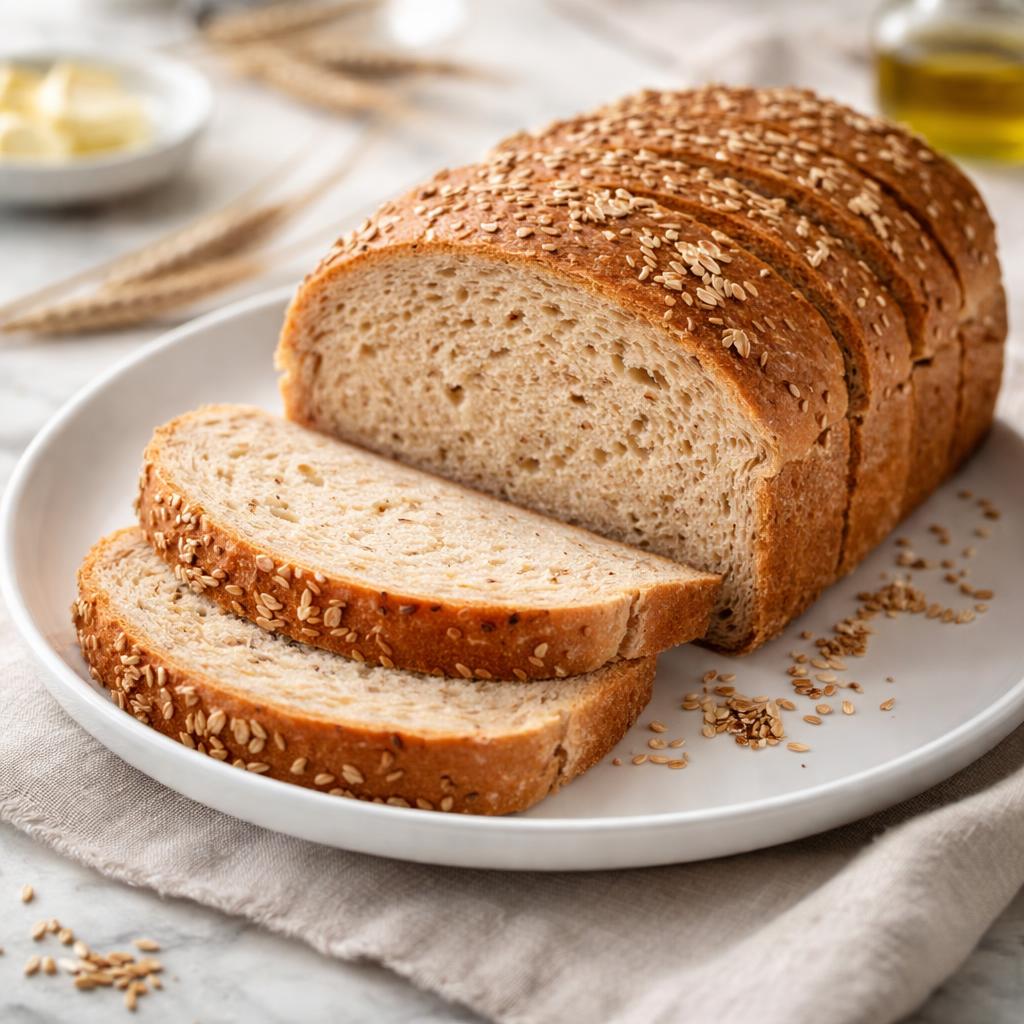
Wheat Bread

Light Bread
🎯 Quick Verdict
Wheat bread and light bread both offer distinct nutritional profiles. Wheat bread has higher protein and fiber, making it better for digestion and overall satiety, while light bread is lower in calories, which makes it ideal for calorie-conscious diets. Both bread types are versatile but serve different dietary priorities effectively.

Smart Nutrition Tracking with SnapCalorie

📊 Nutritional Comparison
Macronutrients
| Nutrient | Food 1 | Food 2 | Winner |
|---|---|---|---|
| Calories | 80 | 40 | ✓ |
| Protein | 4g | 2g | ✓ |
| Carbs | 15g | 10g | ✓ |
| Fat | 1g | 0.5g | ✓ |
| Fiber | 2g | 1g | ✓ |
Vitamins & Minerals
| Nutrient | Food 1 | Food 2 | Winner |
|---|---|---|---|
| Vitamin D | 0mcg | 0mcg | − |
| Calcium | 30mg | 100mg | ✓ |
| Iron | 0.8mg | 0.5mg | ✓ |
🏆 Category Winners
Protein
Food1 has double the protein compared to food2.
Fiber
Food1 provides twice the fiber content per serving.
Calories
Food2 is half the calories of food1, ideal for caloric restriction.
Vitamins
Food2 is fortified with higher calcium content than food1.
🥗 Diet Compatibility
Keto
Food 1: Not Compatible
Food 2: Not Compatible
Both contain too many carbs for keto diets.
Vegan
Food 1: Compatible
Food 2: Compatible
Both are plant-based and vegan-friendly.
Gluten Free
Food 1: Not Compatible
Food 2: Not Compatible
Both contain gluten from wheat products.
Paleo
Food 1: Not Compatible
Food 2: Not Compatible
Neither fits paleo guidelines due to grain content.
Low Carb
Food 1: Not Compatible
Food 2: Partially Compatible
Food2 is slightly lower in carbs but still not suitable for strict low-carb diets.
💪 Health Benefits Comparison
Food 1 Benefits
- High in fiber for improved digestive health
- Good source of plant protein for muscle maintenance
- Provides energy through complex carbs
- Contains iron for supporting blood health
Food 2 Benefits
- Low-calorie option for weight management
- Fortified with calcium for bone health
- Lower carbohydrate content helps manage blood sugar levels
- Easy to digest and great for lighter meals
✅ The Bottom Line
Wheat bread is a better choice for individuals seeking higher protein, fiber, and iron, making it suitable for active lifestyles and digestion support. Light bread, on the other hand, is excellent for weight management as it is lower in calories. Choose wheat bread for satiety and a more nutrient-dense option, and light bread for lighter meals and calorie-conscious diets.
Choose Food 1 for: Satiety, general energy, digestive health
Choose Food 2 for: Weight management, lighter meals, bone health


