Wheat Bread VS Gluten-Free Bread
A detailed nutritional comparison
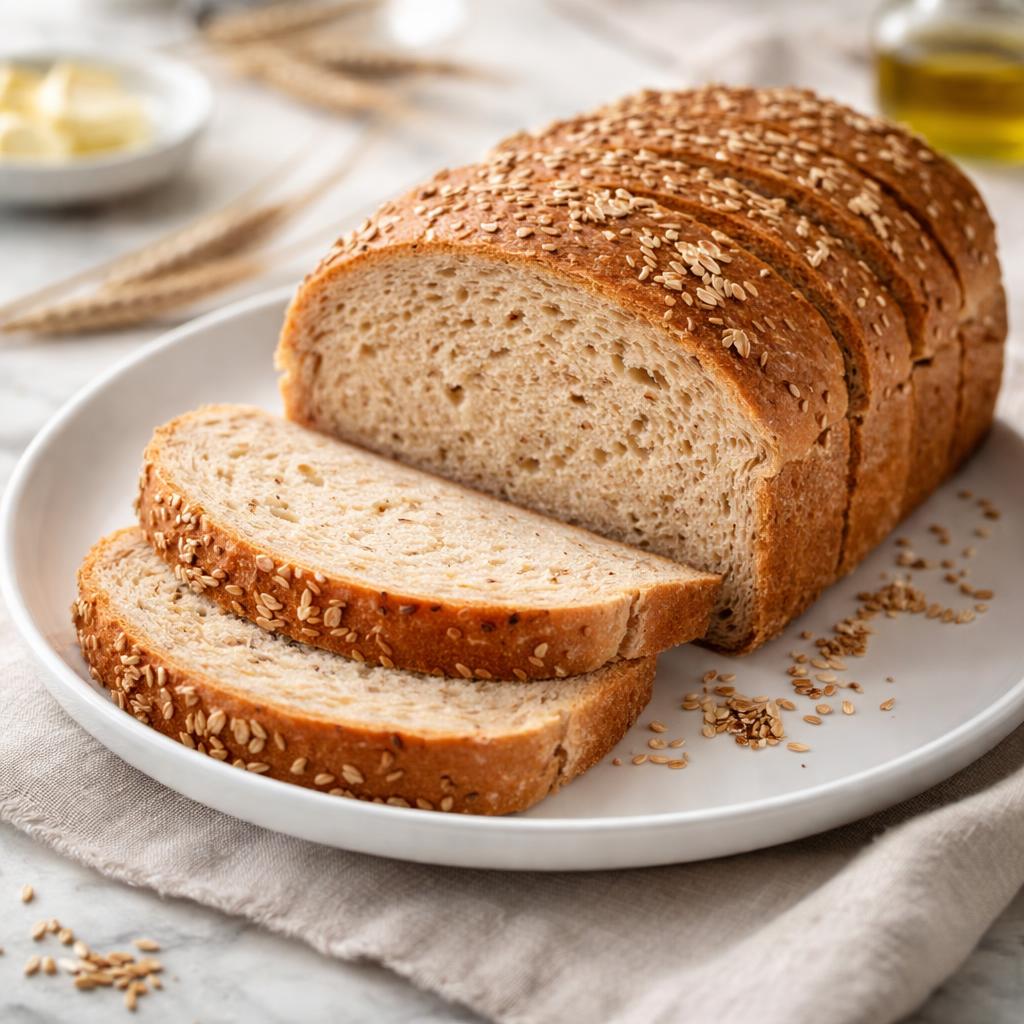
Wheat Bread
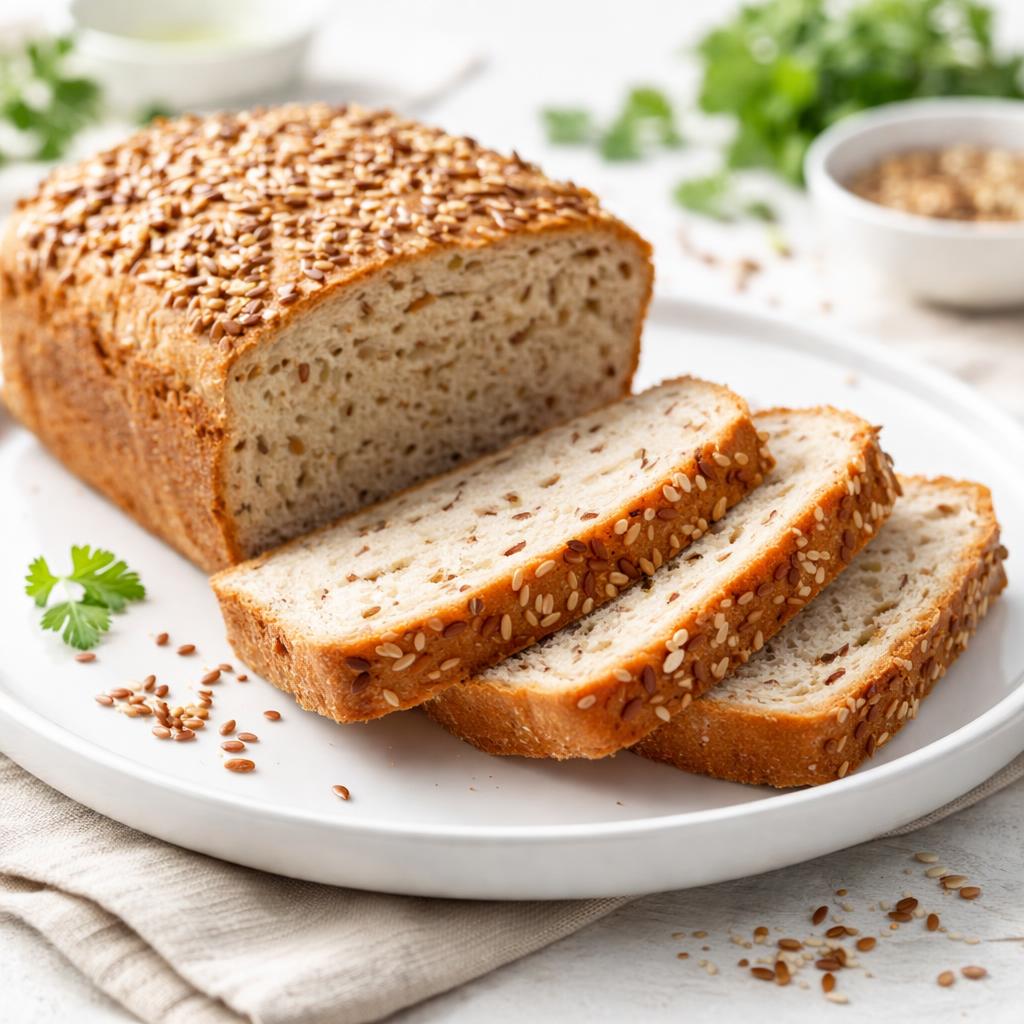
Gluten-Free Bread
🎯 Quick Verdict
Wheat bread generally has higher protein (4g vs 2g), more fiber (2g vs 1g), and fewer calories (77 vs 90 per slice) compared to gluten-free bread. Gluten-free bread is ideal for those with gluten intolerance or celiac disease, but wheat bread better suits general nutrient density while being more budget-friendly.

Smart Nutrition Tracking with SnapCalorie

📊 Nutritional Comparison
Macronutrients
| Nutrient | Food 1 | Food 2 | Winner |
|---|---|---|---|
| Calories | 77 | 90 | ✓ |
| Protein | 4g | 2g | ✓ |
| Carbs | 14g | 15g | − |
| Fat | 1g | 3g | ✓ |
| Fiber | 2g | 1g | ✓ |
Vitamins & Minerals
| Nutrient | Food 1 | Food 2 | Winner |
|---|---|---|---|
| Vitamin D | 0mcg | 0mcg | − |
| Calcium | 25mg | 25mg | − |
| Iron | 1mg | 0.6mg | ✓ |
🏆 Category Winners
Protein
Wheat bread has twice the protein content per slice compared to gluten-free bread.
Fiber
Wheat bread contains double the fiber per slice, aiding digestion.
Calories
Wheat bread has slightly fewer calories per slice, making it more suitable for calorie-conscious diets.
Vitamins
Both breads have similar vitamin and mineral profiles, with no significant differences in Vitamin D or Calcium.
🥗 Diet Compatibility
Keto
Food 1: Not Compatible
Food 2: Not Compatible
Both are high in carbs and unsuitable for ketogenic diets.
Vegan
Food 1: Compatible
Food 2: Compatible
Neither bread contains animal-derived ingredients.
Gluten Free
Food 1: Not Compatible
Food 2: Compatible
Only gluten-free bread is safe for individuals with celiac disease or gluten intolerance.
Paleo
Food 1: Not Compatible
Food 2: Not Compatible
Neither bread fits the paleo guidelines as they are based on grains.
Low-Carb
Food 1: Not Compatible
Food 2: Not Compatible
Both breads contain over 14g of carbs per serving, unsuitable for low-carb diets.
💪 Health Benefits Comparison
Food 1 Benefits
- Good source of protein for energy
- Contains fiber for healthy digestion
- Rich in iron for oxygen transport in the body
- Cost-effective and widely available
Food 2 Benefits
- Safe for individuals with gluten intolerance or celiac disease
- Can provide healthy fats (depending on recipe)
- Offers comparable calories for energy needs
- Often fortified with minerals for added nutritional support
✅ The Bottom Line
Choose wheat bread if you're seeking an affordable, nutrient-dense option with higher protein and fiber content. Opt for gluten-free bread only if you require a gluten-free diet due to celiac disease or intolerance, as it compromises slightly on nutrient density.
Choose Food 1 for: General dietary needs, cost savings, nutrient-dense bread choices
Choose Food 2 for: Individuals with gluten intolerance or celiac disease, specialized diets


