Vermicelli Noodles VS Whole Wheat Bun
A detailed nutritional comparison
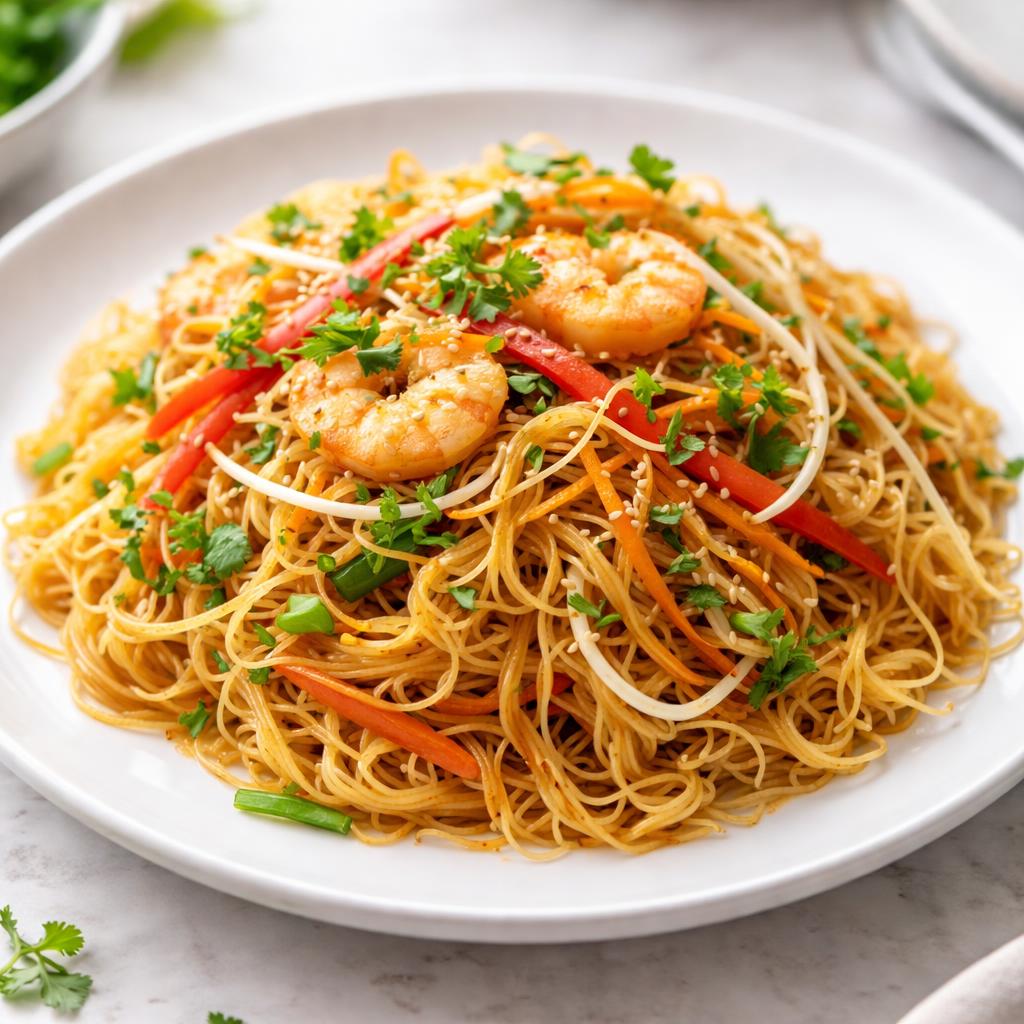
Vermicelli Noodles
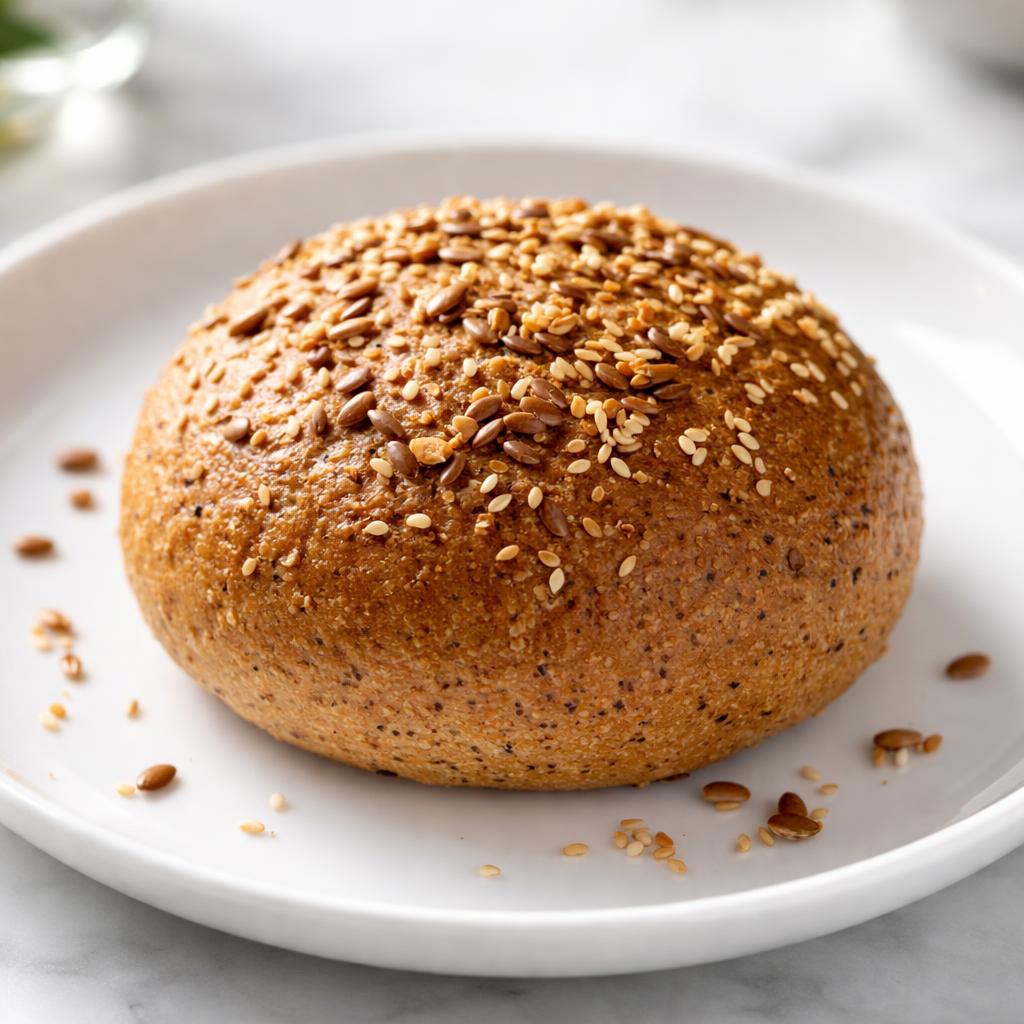
Whole Wheat Bun
🎯 Quick Verdict
Vermicelli noodles are lower in calories with a simpler nutritional profile, being mostly carbs with little protein or fiber. Whole wheat buns, on the other hand, are more nutrient-dense, providing higher protein, fiber, and more vitamins and minerals. Vermicelli is best for lighter meals, while whole wheat buns can be part of a balanced and filling diet, especially for protein and fiber needs.

Smart Nutrition Tracking with SnapCalorie

📊 Nutritional Comparison
Macronutrients
| Nutrient | Food 1 | Food 2 | Winner |
|---|---|---|---|
| Calories | 192 | 230 | ✓ |
| Protein | 3.5g | 8g | ✓ |
| Carbs | 43g | 40g | ✓ |
| Fat | 0.5g | 3g | ✓ |
| Fiber | 1g | 6g | ✓ |
Vitamins & Minerals
| Nutrient | Food 1 | Food 2 | Winner |
|---|---|---|---|
| Vitamin D | 0mcg | 0mcg | − |
| Calcium | 18mg | 30mg | ✓ |
| Iron | 0.5mg | 2mg | ✓ |
🏆 Category Winners
Protein
Whole wheat bun has more than twice the protein compared to vermicelli noodles.
Fiber
Whole wheat bun contains 6g of fiber compared to 1g in vermicelli noodles.
Calories
Vermicelli noodles have about 16% fewer calories than whole wheat buns.
Vitamins
Whole wheat buns provide more calcium and iron compared to vermicelli noodles.
🥗 Diet Compatibility
Keto
Food 1: Not Compatible
Food 2: Not Compatible
Both are high-carb foods unsuitable for keto diets.
Vegan
Food 1: Compatible
Food 2: Compatible
Both are plant-based and vegan-friendly.
Gluten Free
Food 1: Not Compatible
Food 2: Not Compatible
Both foods contain gluten.
Paleo
Food 1: Not Compatible
Food 2: Not Compatible
Grains are not permitted in paleo diets.
Low-Carb
Food 1: Not Compatible
Food 2: Not Compatible
Both foods are high in carbohydrates.
💪 Health Benefits Comparison
Food 1 Benefits
- Low in fat for lighter meals
- Good source of quick energy from carbohydrates
- Can be easily digested, ideal for some digestive sensitivities
Food 2 Benefits
- Rich in dietary fiber for better digestion and satiety
- Higher protein content to support muscle health
- Provides essential minerals like iron and calcium
✅ The Bottom Line
Choose vermicelli noodles for lower calorie meals or lighter dishes when the focus is quick energy from carbs. Opt for whole wheat buns for more balanced nutrition, including higher fiber and protein, making them a better choice for filling meals and muscle maintenance.
Choose Food 1 for: Light meals, energy boosts, easier digestion
Choose Food 2 for: Balanced nutrition, high-protein diets, fiber-rich meals


